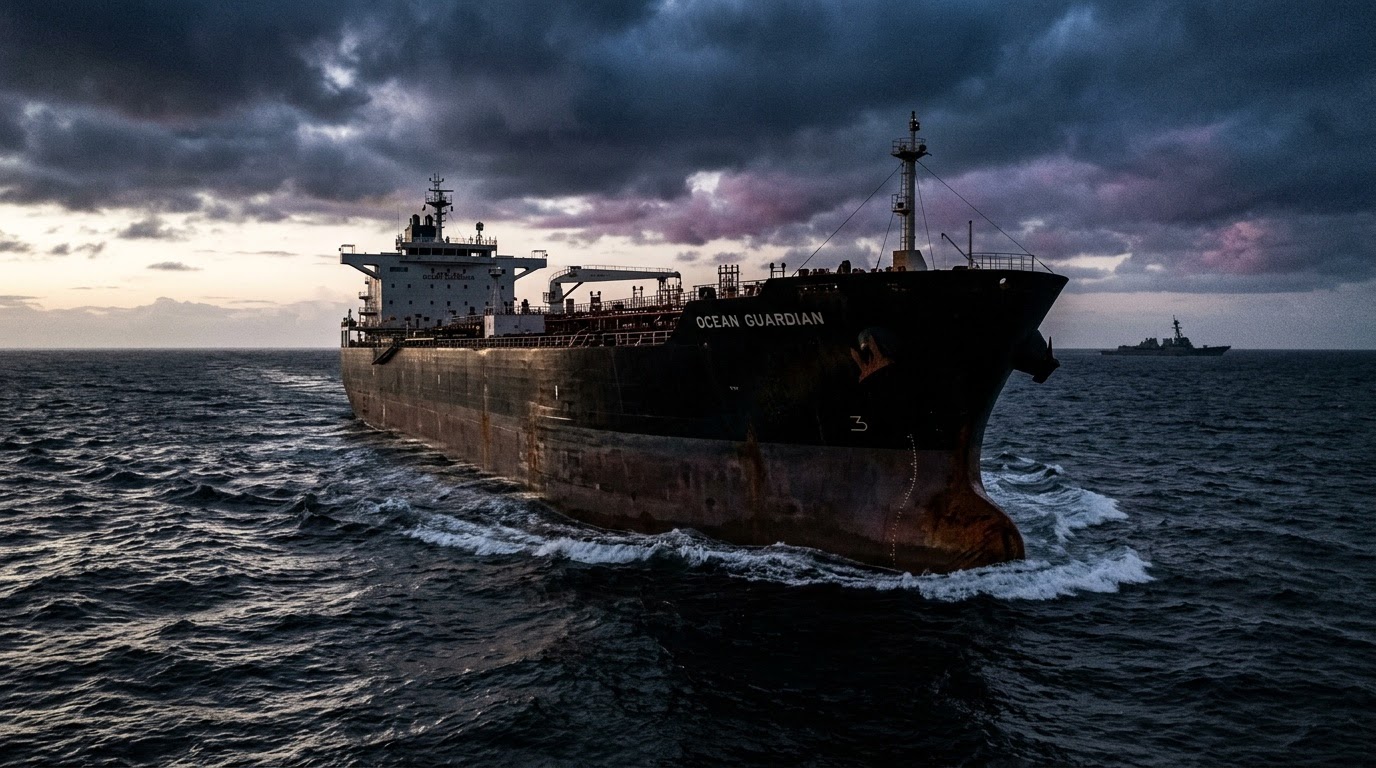
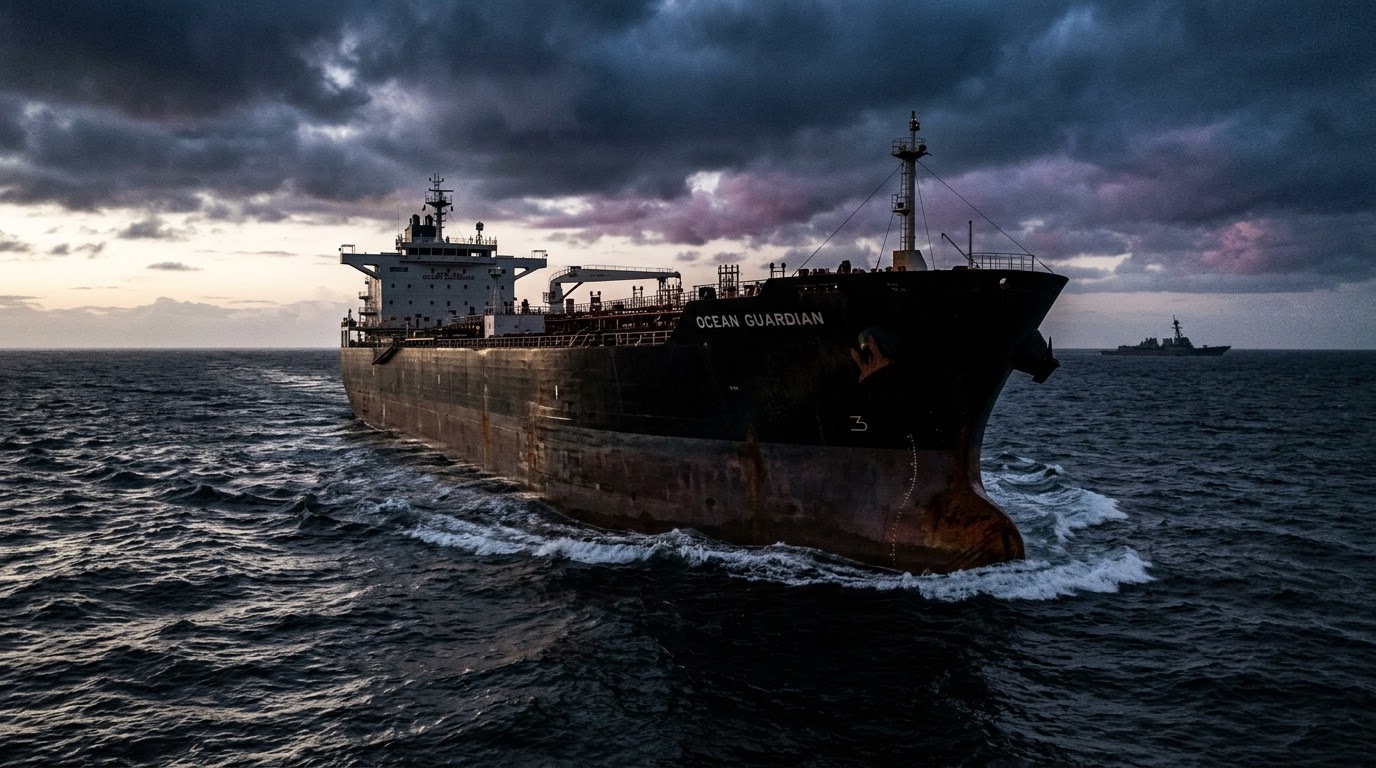
Iran is preparing tankers for a possible challenge to the U.S. naval blockade, a move that could reverse oil's three-week slide if it disrupts Gulf shipments.
Iran has assigned crews to more than 14 tankers at Kharg Island and raised Iranian flags over them, Euronews reported Friday, citing satellite imagery and ship-tracking data.
Iranian Foreign Minister Abbas Araghchi told reporters that the naval blockade "must be broken" to restore oil exports. Semi-official Fars News Agency argued in a column that Tehran could challenge the U.S. with a "convoy of oil tankers."
Tehran has not officially announced a convoy. Shipping analysts have urged caution. They say tankers gathering near Iran's main export terminal don't prove a blockade run is underway.
Before the war, about 90% of Iran's crude exports passed through its deepwater terminal. That has mostly stopped.
Oil Rallies Friday, Falls For The Week
Brent settled at $92.57 a barrel Friday, up 59 cents after a tanker fire near the Strait of Hormuz. Even with the gain, Brent finished the week down about 3.4%.
The December West Texas Intermediate contract, which expired on Friday, settled at $83.98. That was up 77 cents on the day but down about 5.2% for the week.
Recovering Gulf oil exports have helped push crude prices lower. Shipments from the region, excluding Oman, climbed to 18.4 million barrels a day in October. They reached 74% of prewar levels despite continued attacks on tankers.
The increase led the International Energy Agency to raise its fourth-quarter global supply forecast by 3.3 million barrels a day. It projected a return to surplus.
But BNP Paribas commodity strategist Aldo Spanjer said that current prices assume geopolitical risk stays contained.
"The prices are correct if you believe that this geopolitical risk doesn't come back," Spanjer said. "I'm not in that camp who thinks this is done … I probably see a rebound."
U.S. Blockade of Iran
On Wednesday, U.S. Central Command warned ships against taking Iranian-loaded cargo at sea from vessels subject to the blockade. The command could treat them as evading the blockade even if they never entered an Iranian port.
"Such ships may be stopped, boarded, diverted, captured, or directed to proceed to the Iranian port where the cargo originated," the advisory said.
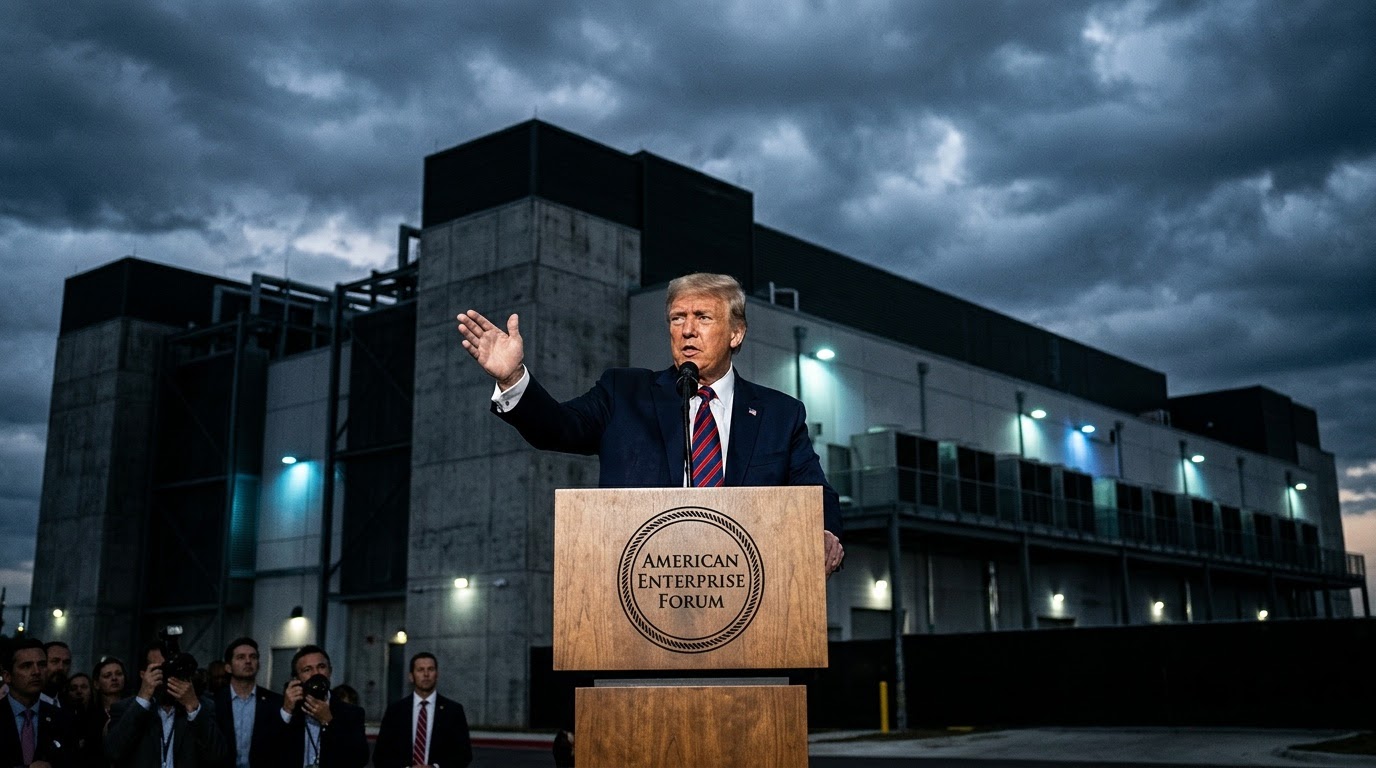
President Donald Trump said Friday that the U.S. Navy was enforcing the blockade. "We have total control over the Hormuz Strait," he said at the White House.
Washington imposed the blockade in April and lifted it in June under an agreement with Tehran. It reimposed the blockade on July 14 after the deal unraveled. By November 11, U.S. forces had redirected nearly 150 commercial vessels and disabled five merchant ships since the blockade resumed.
Iran Faces An Oil Revenue Deadline
Commodities data and analytics firm Kpler estimates that Iran's revenue from crude and condensate exports could fall to zero by mid-December as payments for previously delivered cargoes run out, according to Radio Free Europe/Radio Liberty.
Iran had 88.8 million barrels of oil afloat outside the blockade zone in mid-July. That volume fell to zero by mid-October after tankers unloaded the last cargoes in China. The blockade still traps another 43 million barrels inside the zone.
"The regime has exhausted its seaborne oil supply, and it may never see the revenue from the oil it has already sold," Treasury Secretary Scott Bessent said Friday.
Hamidreza Azizi, an analyst with the International Crisis Group, wrote on X that letting a tanker through would undermine the blockade's credibility, while intercepting it could give Tehran a reason to retaliate.
"Tehran appears to be seeking to take the military initiative while leaving Washington with the responsibility for triggering the next escalation," he wrote.
Shipping Attacks Keep Risk Alive
The semi-official Fars News Agency has warned that an attack on an Iranian tanker could prompt retaliation against oil facilities in Saudi Arabia, the United Arab Emirates and Qatar.
The U.K. Maritime Trade Operations agency said an outbound tanker was struck Friday by an unknown projectile about eight nautical miles north of Khasab, Oman, and caught fire.
Iran's Revolutionary Guards gave a different account, saying the vessel had hit a mine. No casualties or environmental damage were reported. A day earlier, the IRGC said two tankers had struck naval mines in the strait.
Attacks on tankers in the Strait of Hormuz are still keeping oil prices higher than they would otherwise be, UOB Group analysts said in a client note. They put the rate of Iranian attacks at roughly one a day in November.
What Traders Are Watching Next
Kpler identified about 20 vessels near Kharg Island, most loaded and stationary. Senior commodity analyst Homayoun Falakshahi said the firm had seen only one tanker moving and that it was too early to call the buildup a bid to break the blockade.
Concerns about Iran did more to drive Friday's oil rebound than buying ahead of Thanksgiving, Again Capital partner John Kilduff told Reuters.
UBS analyst Giovanni Staunovo said Thursday that rising Iranian attacks were weighing on Middle Eastern exports just as China was stepping up crude imports.
OPEC+ ministers meet Nov. 29 to decide their 2027 output policy.
"Expectations that coordinated production cuts will continue at the OPEC+ meeting later this month are also providing support," Rakuten Securities commodity analyst Satoru Yoshida told Reuters.