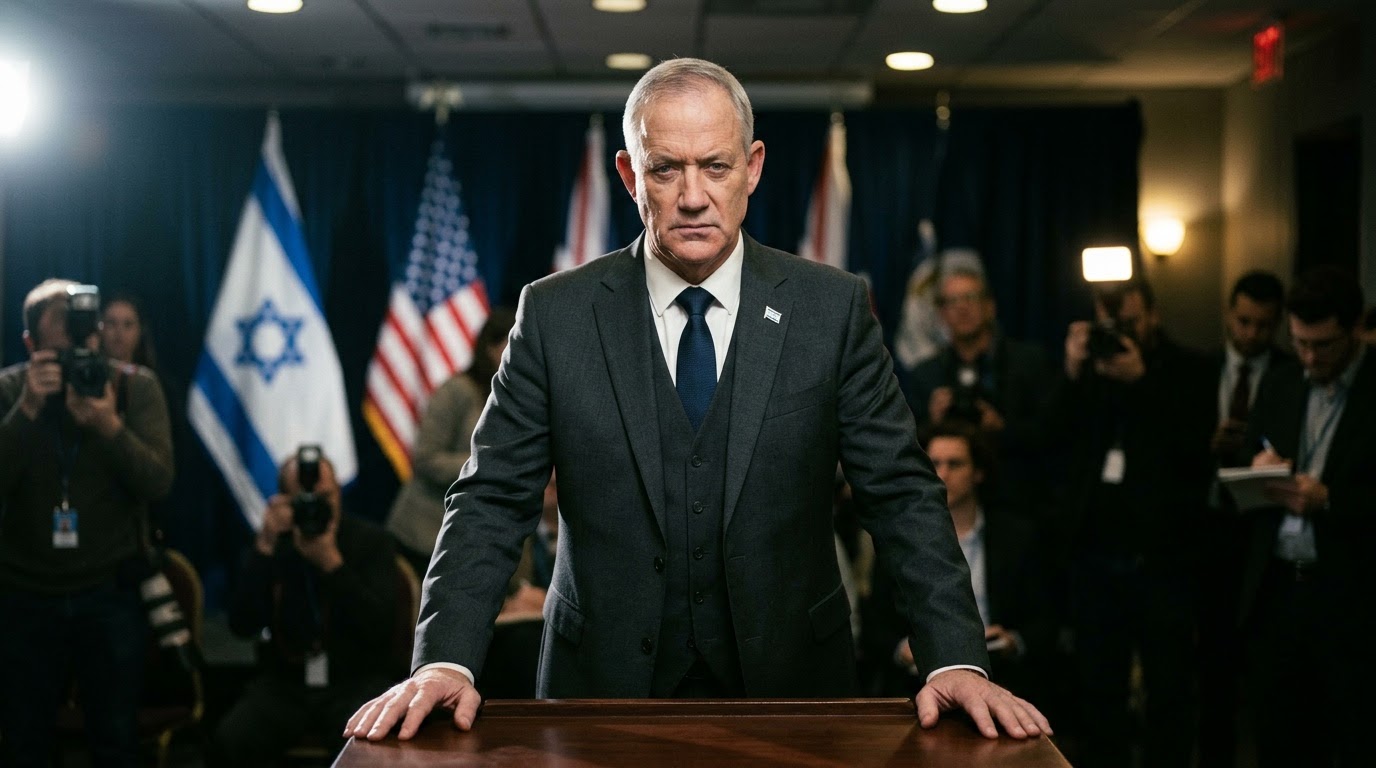
Israel is not waiting around for permission slips. The country's ambassador to the U.S., Michael Leiter, told the New York Post on Wednesday that overthrowing the Iranian regime may be the only lasting way to deal with Tehran's nuclear ambitions and weapons programs. And if the U.S. doesn't want to join in, Israel is prepared to go it alone.
Leiter said Iran's leaders have rejected demands to end efforts aimed at developing nuclear weapons and are also pursuing additional weapons of mass destruction "with clear intent to use against Israel, its Gulf neighbors and ultimately against Europe and the U.S." That's a pretty stark assessment, but it's the one Israel is working from.
Here's the interesting part: Israeli officials believe regime change is "well within reach," though not certain, through attacks on Iranian infrastructure combined with coordination involving opposition groups operating inside the country. "The path is very straightforward," Leiter said, citing Israeli officials. The thinking is that such measures could embolden Iranians who support regime change to protest, potentially reducing the threat posed by Iran's religious authorities.
Leiter pointed to the joint U.S.-Israeli operations Midnight Hammer in June 2025 and Epic Fury in early 2026 as evidence that further action could produce results. Then he delivered the line that should make everyone sit up straight: "But because the situation is immediately existential for Israel, we will not hesitate to go it alone."
Iran Tensions Keep Oil Markets on Edge
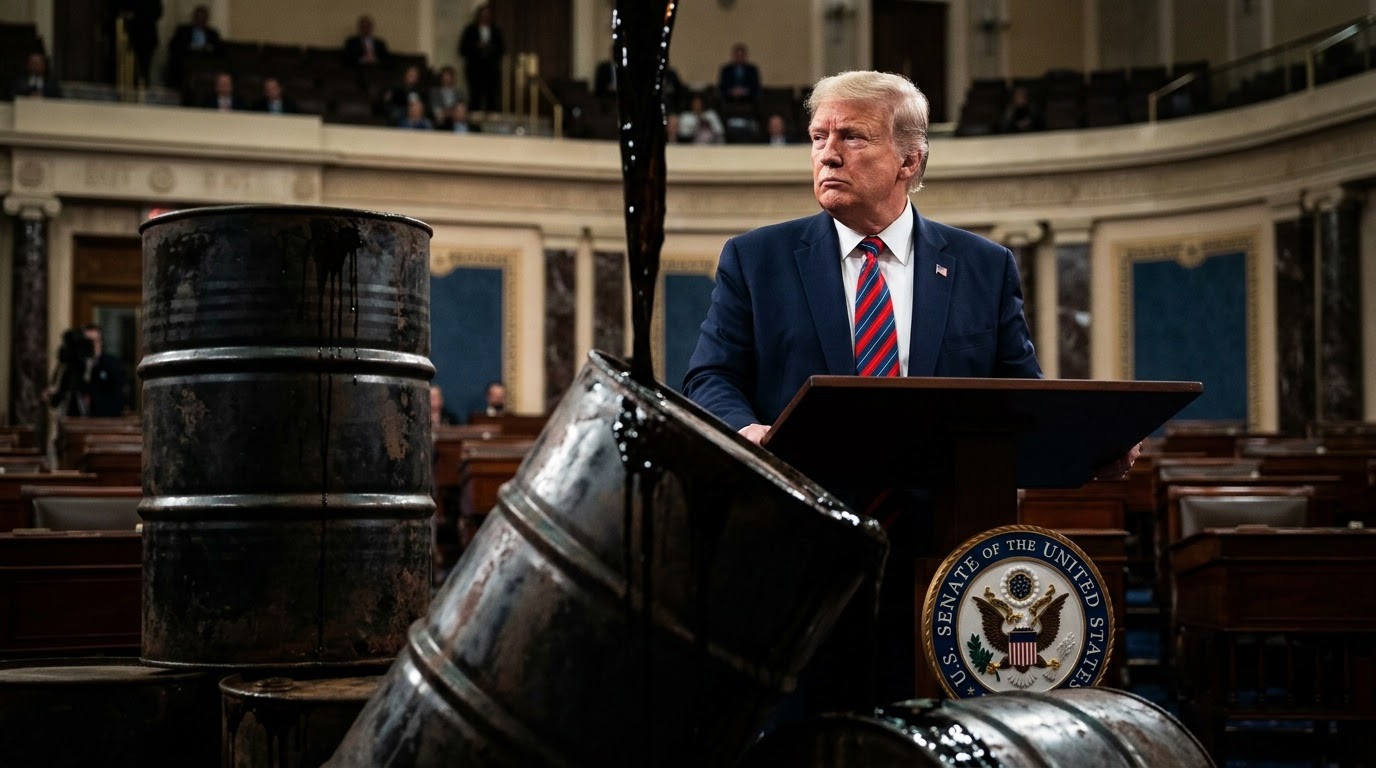
The warning comes as President Donald Trump received Senate backing to continue military operations against Iran. On Thursday, senators voted 51-48 against a Democratic war powers resolution seeking to restrict additional strikes without congressional authorization. So Congress won't be putting the brakes on anytime soon.
However, Trump reportedly said that he was not "rushing into any decision" on Iran, adding that the administration will wait until 2027 to take any decision on the issue. That's a long time in the world of geopolitical risk, and markets are already twitchy.
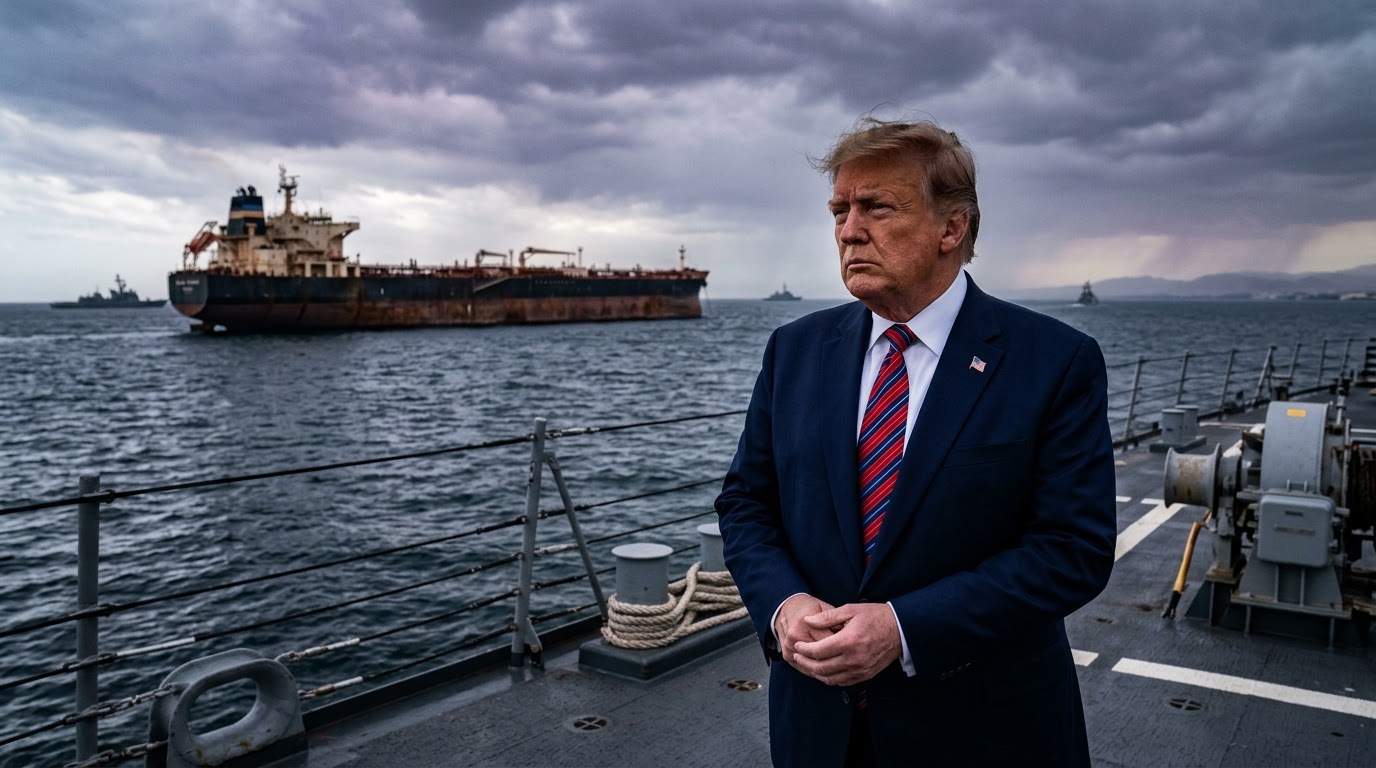
Obsidian Risk Advisors Managing Principal Brett Erickson warned that Iran could attempt to resume oil exports despite the U.S. naval blockade of the Strait of Hormuz. Citing Fars News Agency and TankerTrackers, he said reports suggest Iran is preparing to move oil, although no Iranian official has confirmed an attempt to breach the blockade. If Iran does try to run the blockade, that could be a flashpoint.
Oil prices reflected the unease. West Texas Intermediate (WTI) futures contracts expiring in December dropped 0.05% to $82.40. Brent futures contracts expiring in January also fell 0.51% to $91.51 at the time of writing. Small moves, but the direction matters less than the underlying tension.
Netanyahu Pushes for Renewed Iran Strikes
Earlier this month, Trump and Israeli Prime Minister Benjamin Netanyahu discussed Iran negotiations and the possibility of renewed military action. Netanyahu reportedly urged Trump to strike Iran "immediately" after the midterms, while Trump favored continuing diplomatic talks. That's a classic divide: Netanyahu sees a window, Trump sees a negotiating table.
In September, Netanyahu predicted the imminent collapse of Iran's regime, saying Israel's ongoing military operations are aimed at hastening its downfall. He described Israel as being at its strongest while its adversaries are weakened, crediting joint U.S.-Israeli efforts with neutralizing nuclear and ballistic missile threats. So the Israeli view is that the momentum is there, and waiting only gives Iran more time.
For investors, the takeaway is simple: the Iran situation is far from resolved, and any escalation could ripple through oil markets and beyond. The ambassador's comments suggest Israel is willing to act unilaterally, which adds a layer of unpredictability that markets hate. Keep an eye on the Strait of Hormuz and any signs of Iranian oil movements. The next few months could get interesting.