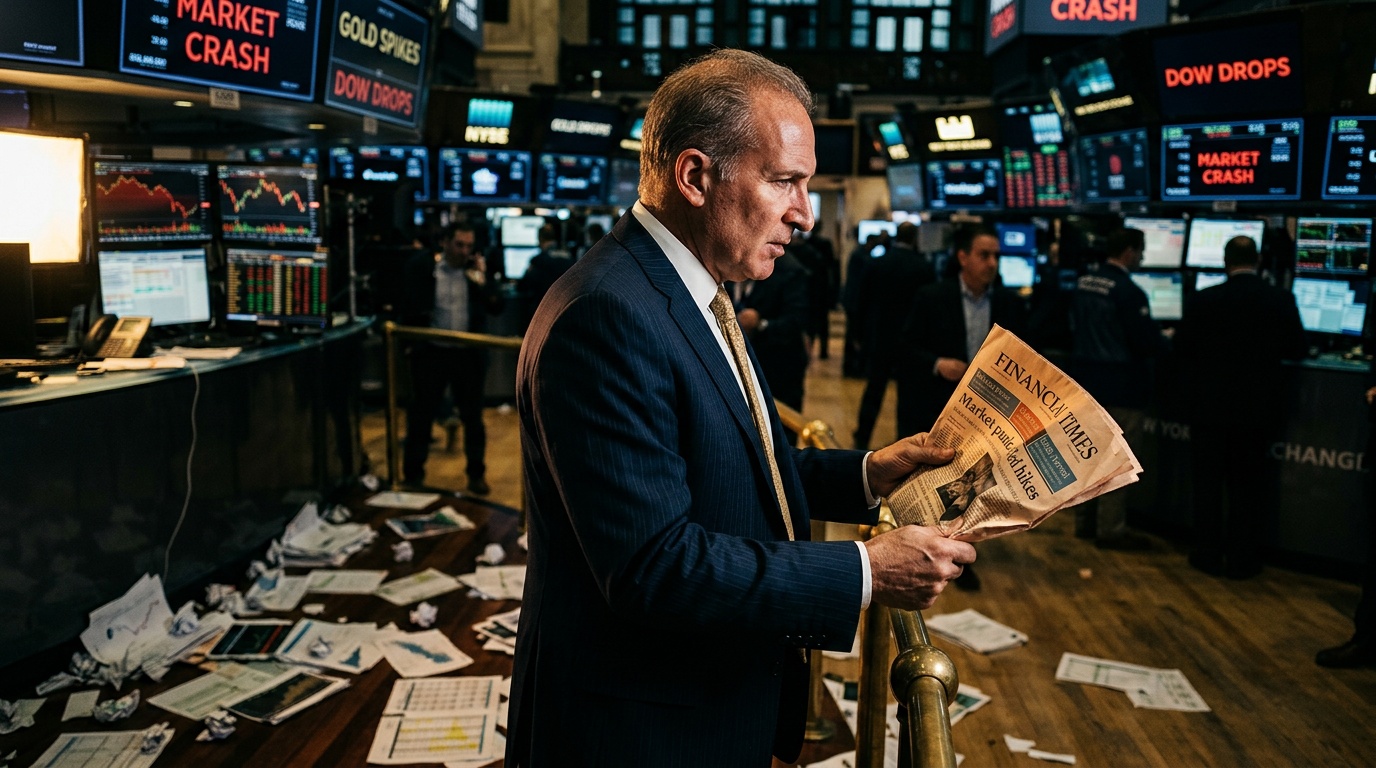
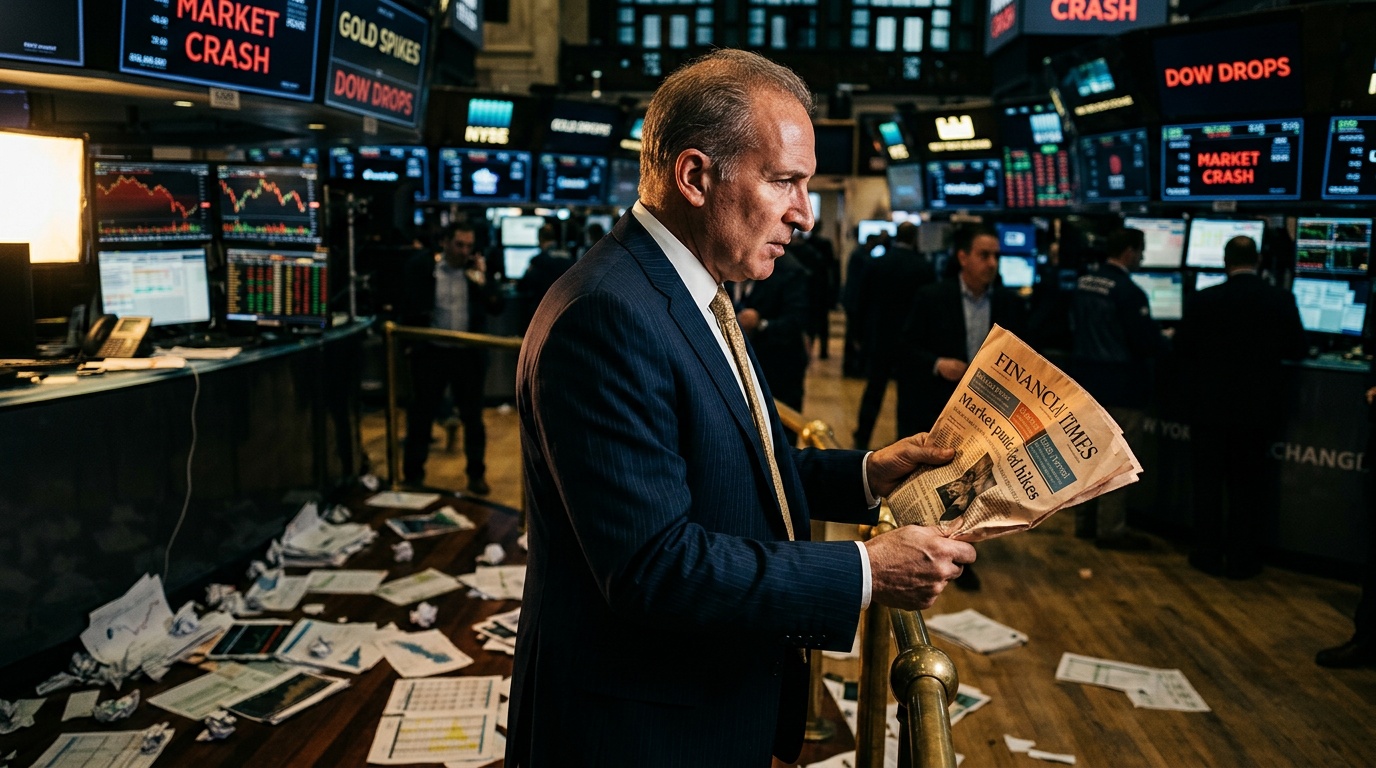
Economist Peter Schiff has a bone to pick with the AI boom. Actually, he has a bone to pick with the entire U.S. economy, and he thinks AI is the only thing keeping it from falling apart.
In a post on X, Schiff argued that "AI CapEx is the only reason GDP is even positive." That's a bold claim, but Schiff isn't exactly known for hedging. He went on to link a potential recession to easier monetary policy, warning that such measures would be bearish for bonds but "not bearish for gold, gold miners or silver." So if you're keeping score at home, Schiff is still bullish on precious metals. Shocking, I know.
In a separate video, Schiff also took aim at what he called "bad" October consumer inflation. He argued that the data reflects the Federal Reserve's inability to contain rising prices because the U.S. government simply cannot afford the high interest rates needed to control inflation. He blamed excessive government spending for the affordability crisis, warning that mounting fiscal pressures could trigger a broader economic collapse, potentially before the next presidential administration takes office.
"We're now in the final stages of this collapse," he said, adding, "The whole thing can implode."
Economists Warn of AI-Driven Bubble Risks
Schiff has previously warned that rising borrowing costs could undermine AI investment and expose broader economic weakness. He's not alone in that concern. Former Fed adviser Danielle DiMartino Booth has similarly warned that a recession may already be underway, citing falling Treasury yields and mounting credit stress among AI companies.
But the market doesn't seem to agree. A prediction-market analysis showed only a 7% chance of a 2026 recession, although traders assigned greater recession risk to 2027. And the hard data? The U.S. economy expanded at a 3.4% annualized rate in the third quarter, beating economists' 3.2% forecast and accelerating from 2.2% growth in the second quarter, according to the BEA's advance estimate. That's not exactly a collapse.
Still, the AI bubble worry is spreading. NYU professor Scott Galloway warned that the AI infrastructure boom resembles the 1999 dot-com bubble, arguing that trillions of dollars in data-center and chip investments increasingly depend on demand from just two companies: OpenAI and Anthropic. He cautioned that this concentrated customer base could make the massive AI capital spending vulnerable.
And Mark Zandi, chief economist at Moody's, said something similar to Schiff's remarks back in August while criticizing President Donald Trump's policies related to immigration, the Iran war, and tariffs. "The only reason why the economy isn't in complete shambles is because of AI," Zandi said.
So there you have it. Two very different economists, one shared concern: the AI boom might be the only thing standing between us and a recession. Whether that's a reason to celebrate or panic depends on your view of how sustainable a boom built on two customers can really be.