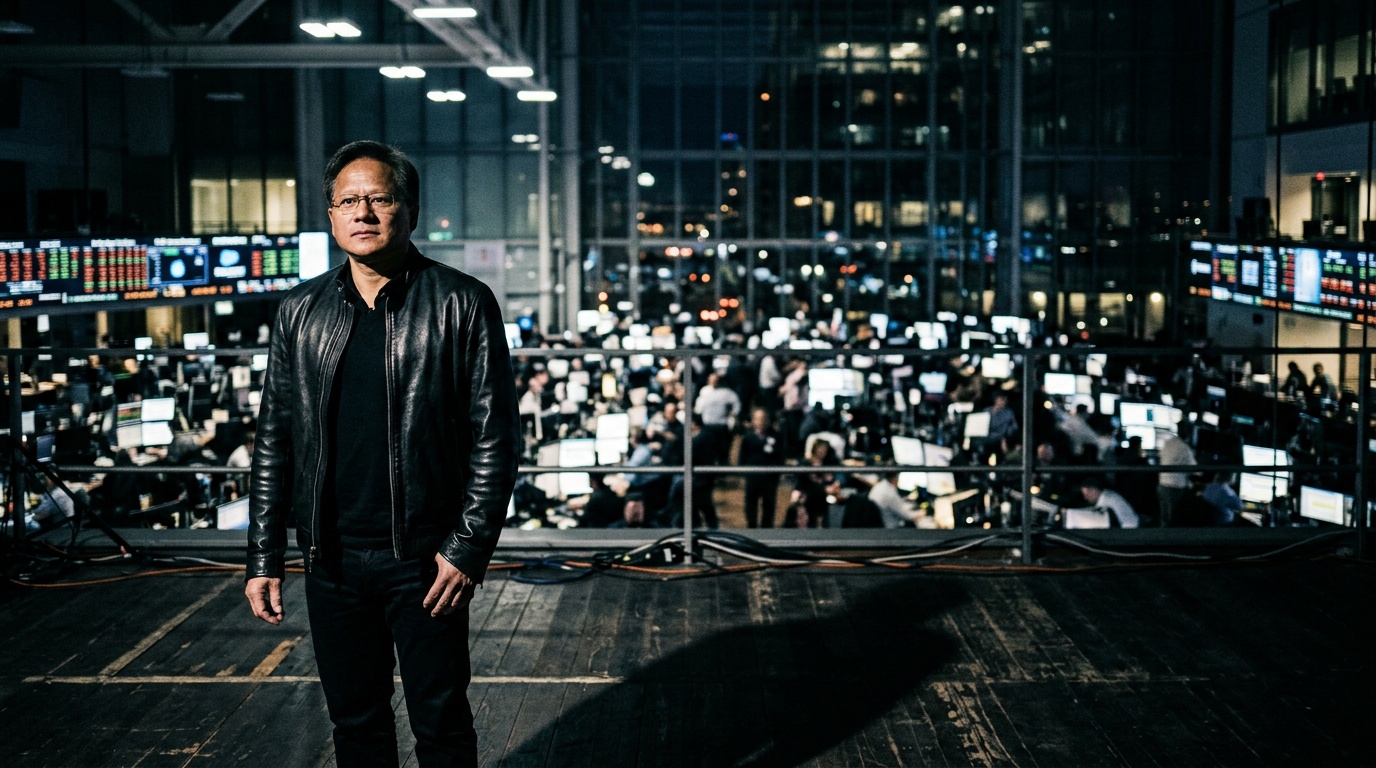
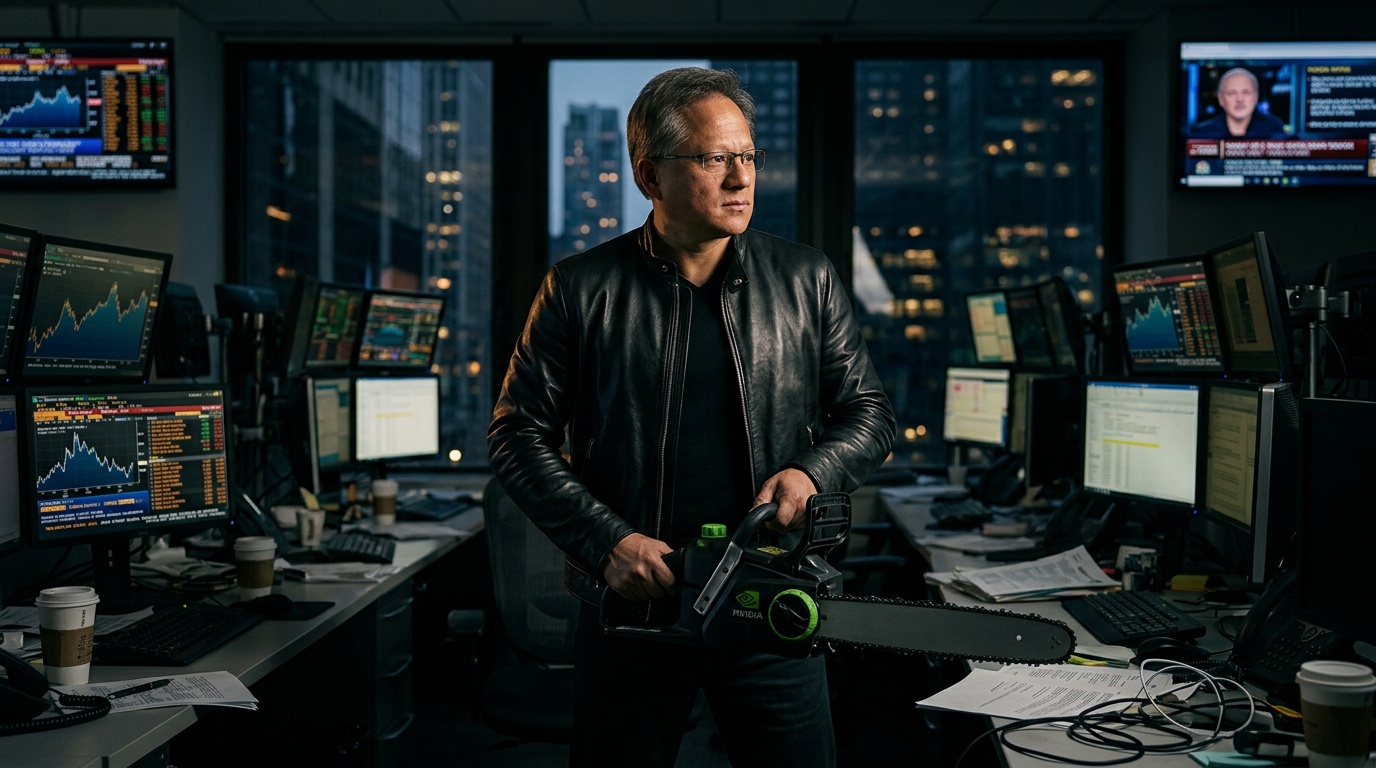
There is a particular kind of corporate drama that never gets old: the founder gets shown the door, and everyone spends the next decade arguing about whether it was the right call. That debate is back in full force after NVIDIA Corp. (NVDA) co-founder Jensen Huang resigned from his role as the chipmaker's CEO.
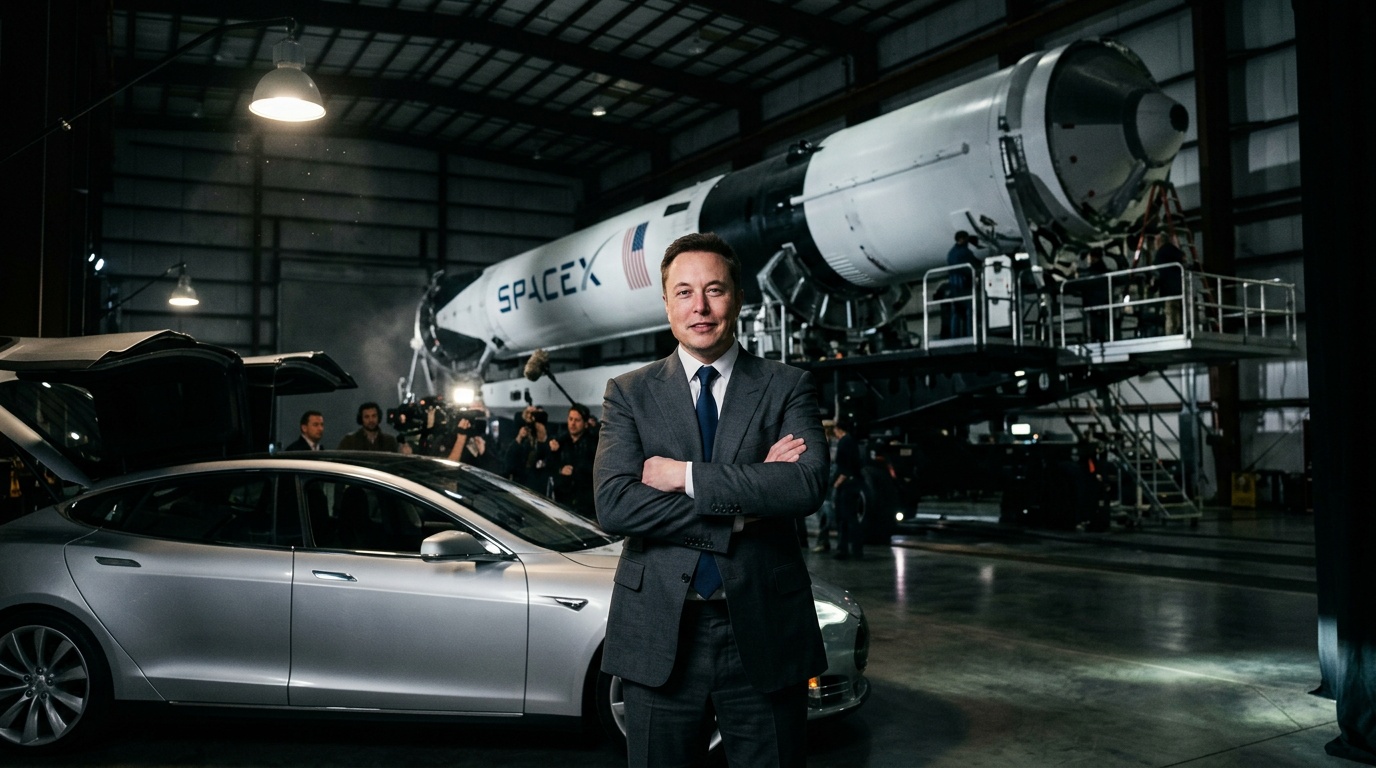
Into that vacuum stepped Tesla Inc. (TSLA) CEO Elon Musk, who used the moment to warn against the removal of founders. His Exhibit A and Exhibit B: Apple Inc. (AAPL)'s Steve Jobs and Uber Technologies Inc. (UBER)'s Travis Kalanick.
The 'True Words' Moment
It started with Naval Ravikant, the investor and co-founder of AngelList, who posted on X on Thursday with a warning that felt aimed squarely at boards everywhere. "You'd think we'd have learned from Steve Jobs and Travis Kalanick that one does not just simply replace the founder…" he wrote.
Musk didn't need many words to agree. "True words," the Space Exploration Technologies Corp. (SPCX) CEO said in his response.
Two words, one very loaded history lesson. Because the stories Ravikant invoked are not subtle. They are the standard case studies in every business school class about why founders are different from hired managers, and why removing one can be a lot messier than the org chart suggests.
Steve Jobs: The Comeback That Proved the Point
Jobs co-founded Apple in 1976 with Steve Wozniak, and by 1985 he was out, following differences with the company's then-CEO John Sculley. What happened next is the part that still stings for anyone who believes in founder-led companies. Apple struggled to maintain its momentum while Microsoft Corporation (MSFT), led by Bill Gates, kept gaining ground in the personal computer space.
Then came 1997, when Jobs returned as CEO. What followed was one of the great corporate revivals: the iMac, iPod, iPhone, iTunes, the App Store and plenty more. Jobs ran Apple until his resignation in 2011, after health complications caused by pancreatic cancer.
The lesson people take from that arc is simple, maybe too simple: the founder left, the company drifted, the founder came back, the company soared. Whether or not that's a fair reading of history, it's the one that sticks.
Travis Kalanick: A Messier Exit
Kalanick's story is less of a redemption arc. He departed as CEO of the ride-hailing company in 2017 following allegations that he had ignored several sexual harassment reports at the company, with major investors demanding his resignation. He was replaced by Uber's current CEO, Dara Khosrowshahi, in August of that year.
That one is trickier to file under 'founders should never be replaced.' The pressure came from inside the company and from its biggest backers, and the allegations were serious. But Ravikant's point isn't really about whether every founder exit is unjustified. It's that the replacement itself is never as clean as the spreadsheet says it will be.
Why This Is Landing Right Now
The timing matters. Huang's resignation from Nvidia came following reports of his relationship with an alleged Chinese spy, as well as his alleged relationship with another Nvidia executive. That's a lot of turbulence for a company at the center of the AI boom, and it explains why the founder question suddenly feels urgent rather than academic.
Before the departure news broke, Musk had been asked by users on social media whether he would hire Huang. The billionaire responded that it would be an "honor" to work with the Nvidia co-founder. That offer, or at least the sentiment behind it, now hangs in the air.
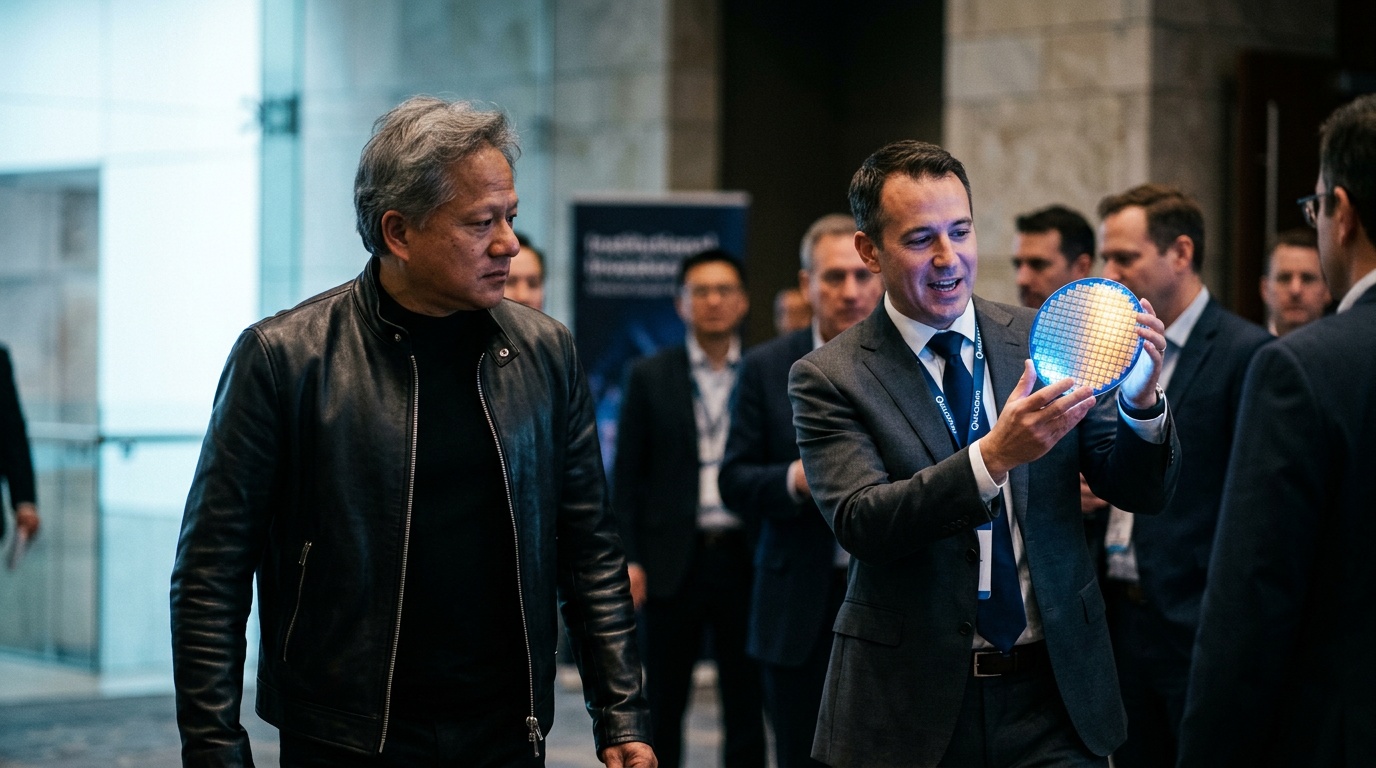
There's also a practical reason the two men keep circling each other. SpaceX and Nvidia share deep collaboration: the commercial spaceflight giant sources its AI compute hardware from the chipmaker, and Nvidia chips will also be a crucial element to Musk's Starmind constellation of dedicated AI satellites.
So the founder debate here isn't just nostalgia about Jobs and Kalanick. It's about who gets to steer the companies building the infrastructure of the AI era, and whether the person who built the thing is the person who should keep running it. Musk, unsurprisingly, has a strong opinion. He usually does.