President Donald Trump's White House has a message for anyone expecting a tariff retreat after the Republicans' Nov. 3 midterm election losses: not happening.
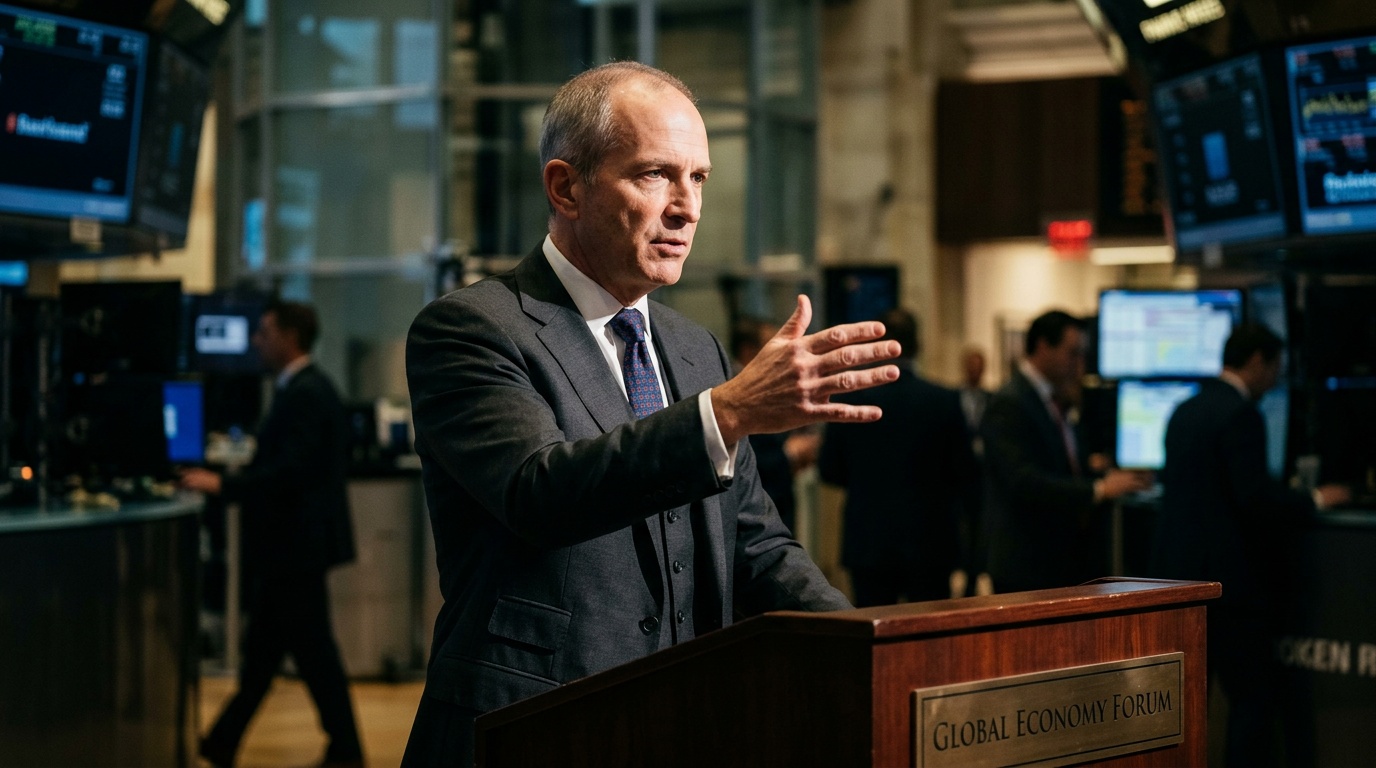
"And we are just getting started," Jim Goyer, director of the White House Office of Public Liaison, said Tuesday at the B20 summit in Washington, according to a CNBC account. "Our ambition is to continue this pace for the remainder of the president's term in office."
Goyer framed the import duties as essential to rebuilding American manufacturing and protecting national security, arguing they shore up domestic industry and secure supply chains. His remarks came after expectations that Trump could actually expand tariffs post-election, with Goldman Sachs economists projecting that additional duties could outweigh any congressional reversals.
Gary Cohn Brings the Receipts
Former Trump economic adviser Gary Cohn wasn't buying the pitch. At the same summit, he called tariffs what they are from a household's perspective.
"Tariffs are a consumption tax on the U.S. consumer," said Cohn, now IBM vice chairman. He warned that focusing on tariff revenue overlooks "every hardworking American who happened to pay the tariff through some product that they bought."
In other words, the money flowing into Treasury coffers isn't free money. It's coming out of shoppers' pockets, one imported product at a time.
The Numbers Aren't Helping the White House
A Reuters/Ipsos survey published Tuesday found 62% of Americans supported repealing Trump's tariffs. That's not exactly a ringing endorsement of the policy.
Meanwhile, the Bureau of Labor Statistics reported Tuesday that consumer prices rose 0.4% in October, easing from September's 0.6% increase, while core inflation held at 0.3%. Slower, sure, but still moving in the wrong direction for anyone hoping tariffs wouldn't show up in their bills.
Research published by the New York Fed in August and revised in September estimated that 26% of the 2025 tariff increase passed through to consumer prices. Researchers said indirect effects could take nine to 12 months to reach shoppers, which means the full impact may still be working its way through the system.
Democrats Load Up for a January Fight
Democrats plan to target tariffs on Canadian imports after taking control of Congress in January. The catch: overcoming Trump's veto would require substantial Republican backing.
Senator Ron Wyden (D-Ore.) has argued that support for repealing those duties is "overwhelming." Whether that translates into enough votes to override a veto is the multimillion-dollar question.
Meanwhile, United Parcel Service Inc. (NYSE: UPS) CEO Carol Tomé told the summit that businesses are already adapting to the new trade reality.
"Supply chains are diversifying. Supply chains are regionalizing," she said, according to the Chamber's Tuesday account.
So the companies are adjusting, the White House is digging in, and the voters are grumbling. The tariff story is far from over. It's just entering its next act.