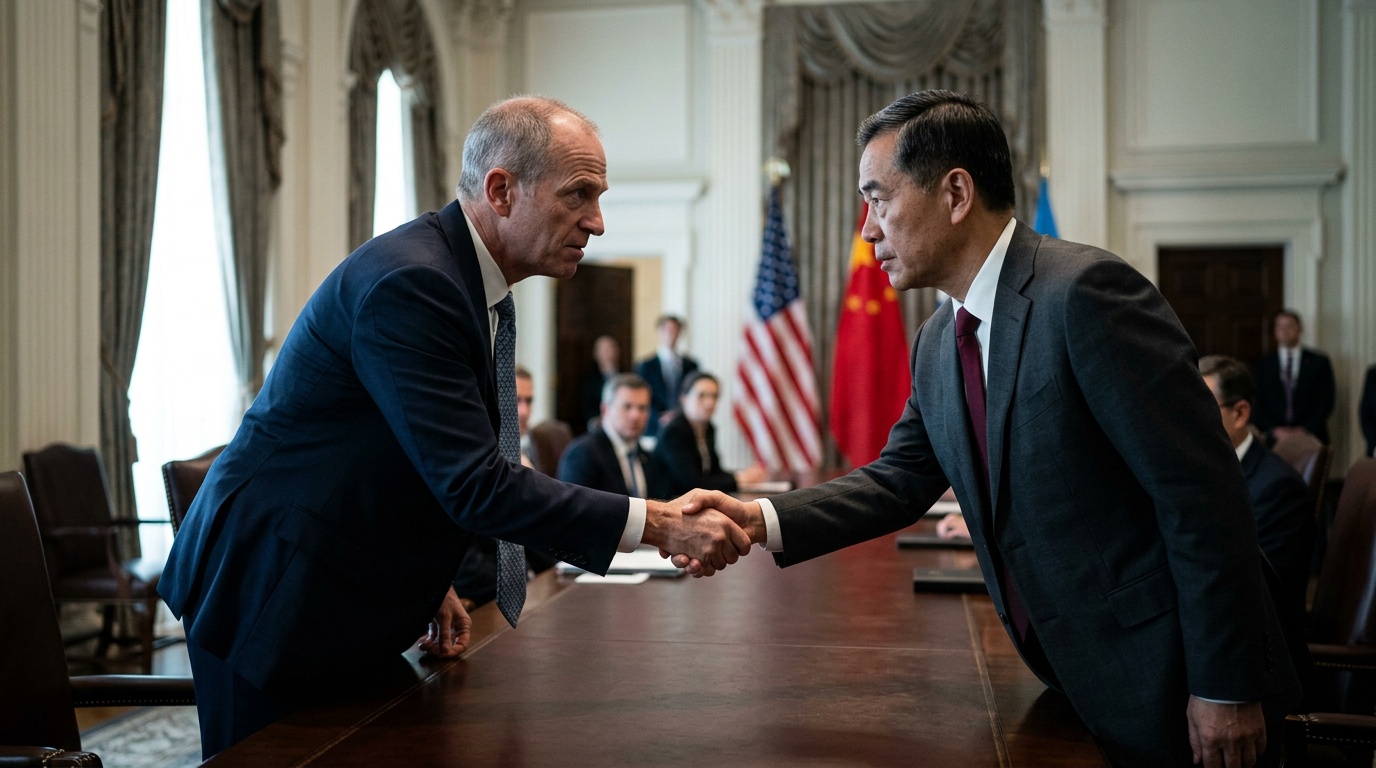
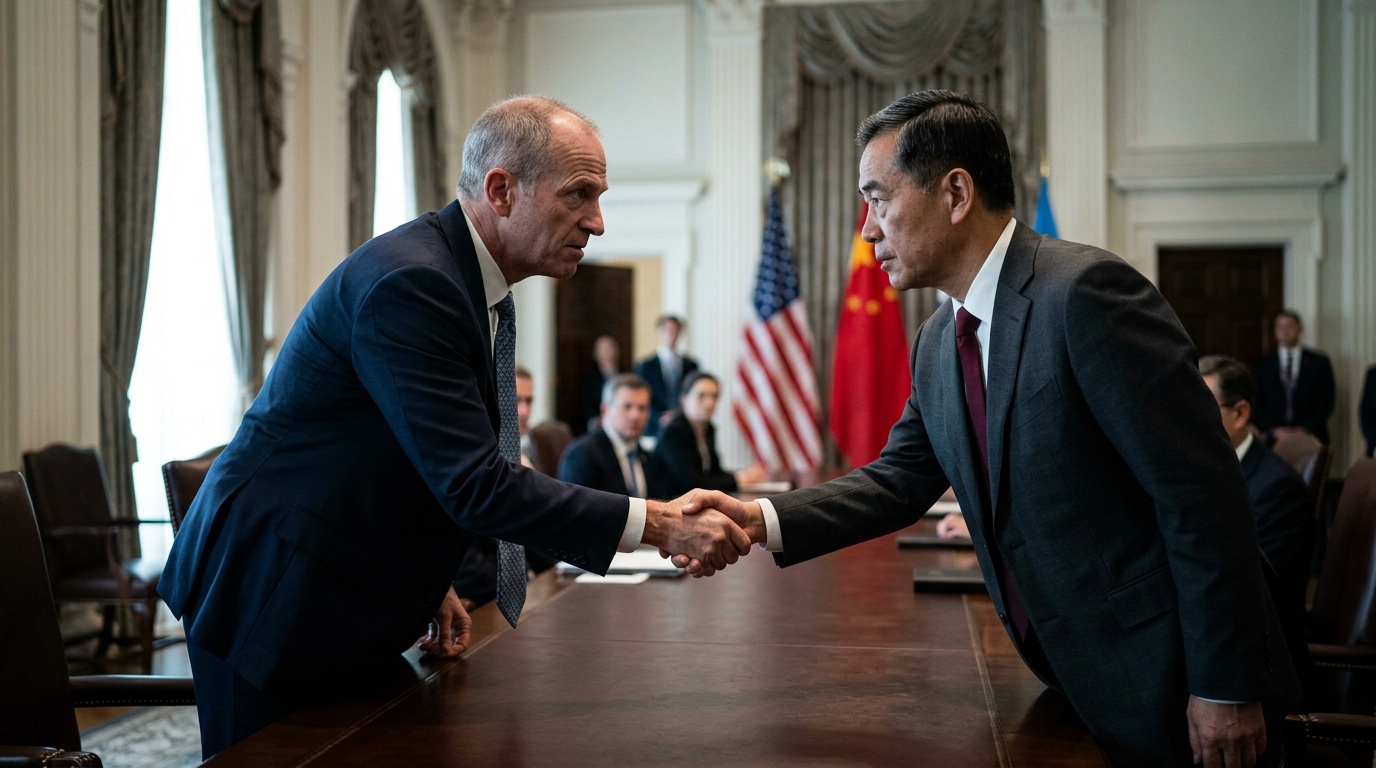
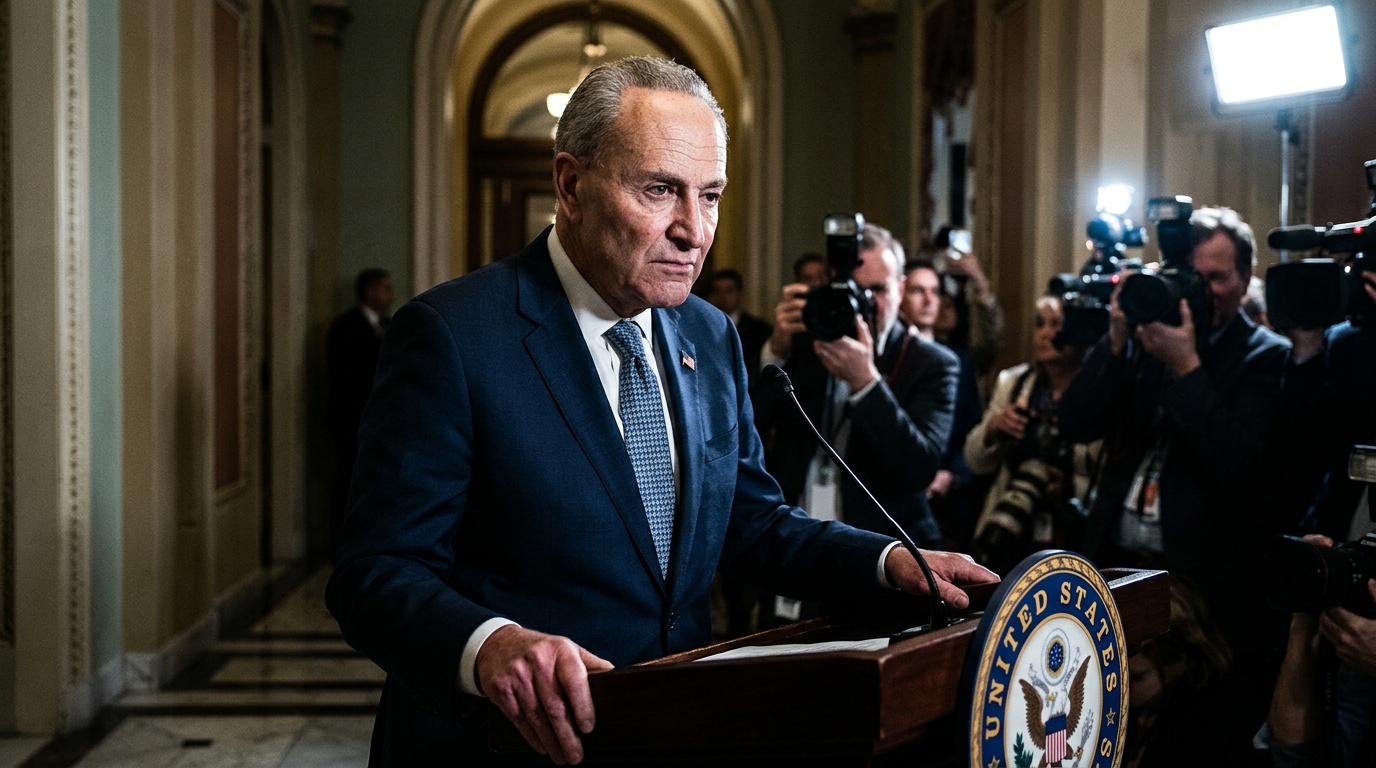
Treasury Secretary Scott Bessent and Chinese Ambassador Xie Feng took the stage Tuesday night at a gala dinner hosted by the National Committee on U.S.-China Relations in Manhattan, and the message was clear: keep talking, but don't expect the friction to disappear.
Bessent's headline line was that Washington and Beijing should "de-risk, not to decouple" their economic relationship. Translation: neither side wants a full breakup, but both want to protect what they consider vital. He emphasized that trade should benefit both countries without weakening either nation's sovereignty, and called for stronger leader-to-leader and working-level communication. He also offered a bit of economic advice: the U.S. should produce more of what it consumes, and China should consume more of what it produces.
Xie, for his part, urged both governments to respect bilateral "red lines," pursue fairness and seek mutual benefit, while acknowledging the significant challenges still affecting the relationship, according to the South China Morning Post.
China Extends Tariff Truce Ahead of Trump-Xi Talks
China recently extended its suspension of an additional 24% tariff on U.S. imports for two months, while keeping a 10% tariff in place. The decision also maintained other trade and shipping measures during ongoing negotiations, leaving both sides with economic ties intact while preserving pressure ahead of the expected meeting.
Notably, President Donald Trump and Chinese President Xi Jinping are expected to meet next week during the Asia-Pacific Economic Cooperation (APEC) summit in Shenzhen, China. Trump and Xi are also likely to hold their fourth bilateral meeting of this year in December on the sidelines of the G20 summit in Miami, according to SCMP.
Bessent Signals AI Cooperation With China
Bessent said Washington and Beijing should "harbor no illusions" about their differences even as they establish a new dialogue mechanism to manage shared AI risks. The initiative will focus on exchanging "best practices" for testing advanced AI models, keeping "human judgement firmly in command" of the technology and alerting each other to serious incidents, even as both countries continue competing for global AI dominance.
Earlier this week, Trump said AI-related risks could be managed through guardrails but opposed regulations that he believes could undermine U.S. competitiveness with China.