Here's a fun thing about diplomacy: you can be actively negotiating a peace deal and dropping bombs on each other at the same time. Iran and the United States are currently demonstrating this with some enthusiasm.
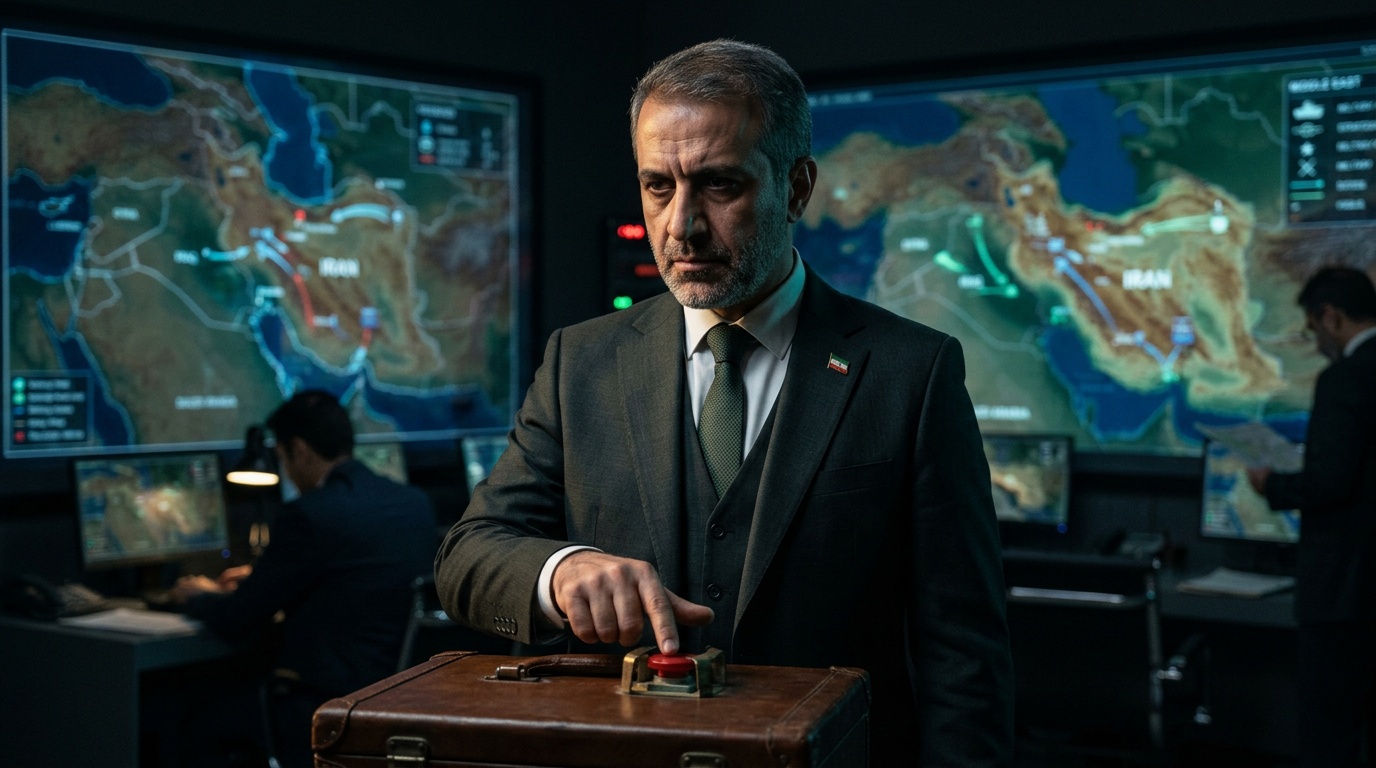
Iranian Parliament Speaker and chief negotiator Mohammad Bagher Ghalibaf took to parliament Tuesday with a message for President Donald Trump: push again and things get worse. He warned that renewed U.S. military action could open a "new battlefield," as tensions escalated following American strikes on Iran's Qeshm Island, even while Washington and Tehran continued indirect negotiations.
Tehran's Message: The Ball Is in America's Court
Ghalibaf said Tehran had "delivered a firm and rational response to the American side. The ball is now in America's court to prevent war." He warned that another American "strategic miscalculation" could leave Washington facing a new battlefield and struggling to find a way out. He did not specify what Iran's response was, which is either strategic ambiguity or a very good way to keep everyone guessing.
He also said Iranian forces remained ready "for battle with its finger on the trigger," despite the ongoing diplomatic efforts. So: talks continue, fingers stay on triggers. Welcome to the Middle East.
The warning followed American strikes on Qeshm Island. A U.S. official said American forces carried out defensive strikes against Iranian forces that were using surface-to-air missiles against U.S. assets.
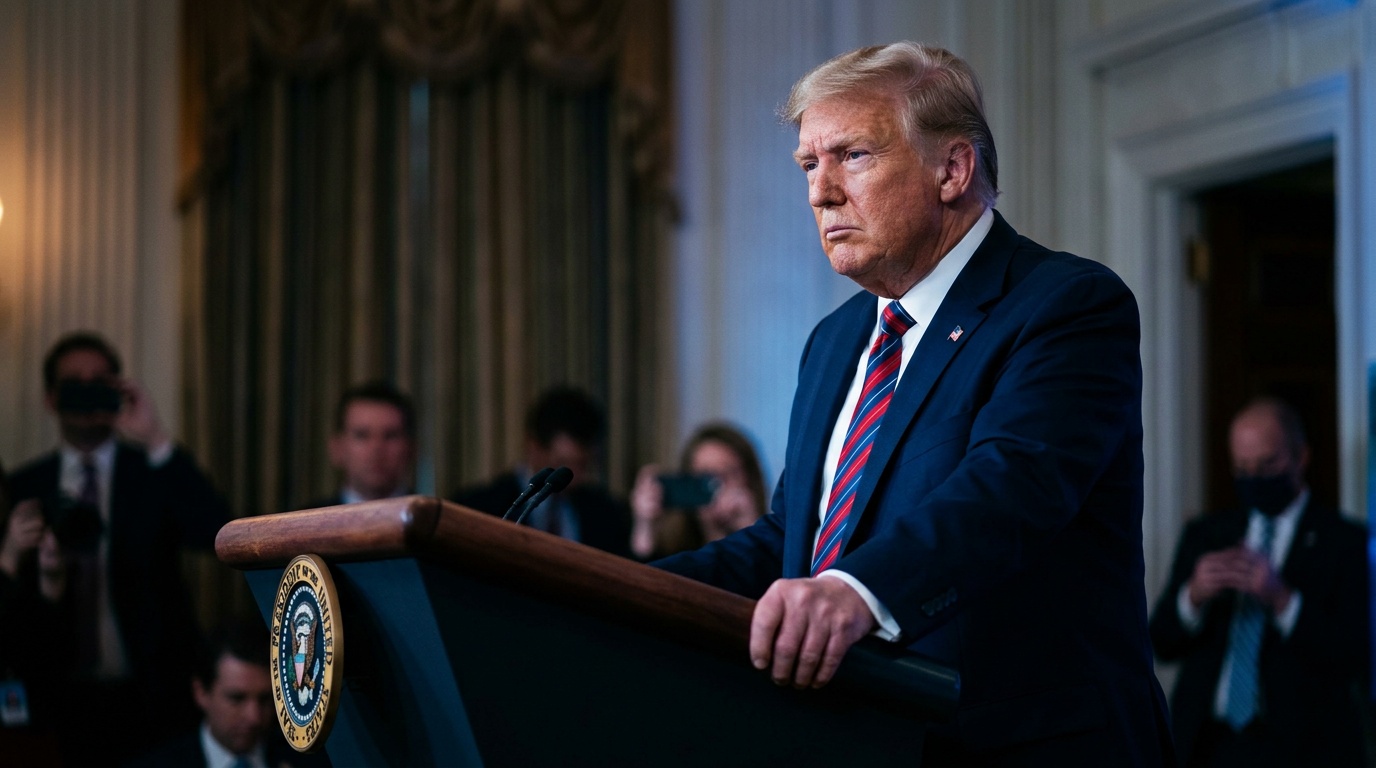
Trump confirmed the operation Tuesday during a telephone interview with Fox News, calling it a "minor attack." He said Washington had monitored the construction of an Iranian anti-aircraft facility for approximately two months before striking it. Reuters separately reported that American officials described the operation as defensive rather than a resumption of major combat operations. Minor attack, defensive strikes, two months of watching. Pick your framing.
What Tehran Wants Before It Reopens Hormuz
The confrontation comes as Qatar mediates indirect negotiations over Iran's nuclear program and reopening the Strait of Hormuz. Tehran has demanded that Washington lift its naval blockade, ease oil sanctions and release frozen assets before negotiations advance.
Iranian security chief Mohsen Rezaei previously criticized Washington's response to Tehran's seven conditions. Iran also wants a ceasefire covering Lebanon, while U.S. negotiators seek restrictions on Tehran's nuclear activities. So the two sides are negotiating over a list of things each wants the other to do first. Classic.
Vance Sees a Deal, Trump Sees a Political Price
Vice President JD Vance expressed optimism about reaching an agreement Monday, despite earlier warnings that Iran must demonstrate meaningful nuclear concessions.
Trump has similarly suggested a diplomatic breakthrough remains possible, even as Washington keeps further military action on the table. In a Tuesday night interview with The Wall Street Journal, Trump acknowledged that the Iran war and surging fuel prices contributed to Republicans losing both congressional chambers, saying, "Iran was a piece of it."
So the scoreboard reads: strikes on Qeshm Island, talks in Doha, a warning from Ghalibaf, optimism from Vance, and a president who just watched his party lose Congress and is willing to admit the war was part of the reason. The ball, as Ghalibaf says, is in America's court. Whether anyone actually serves it is the question.