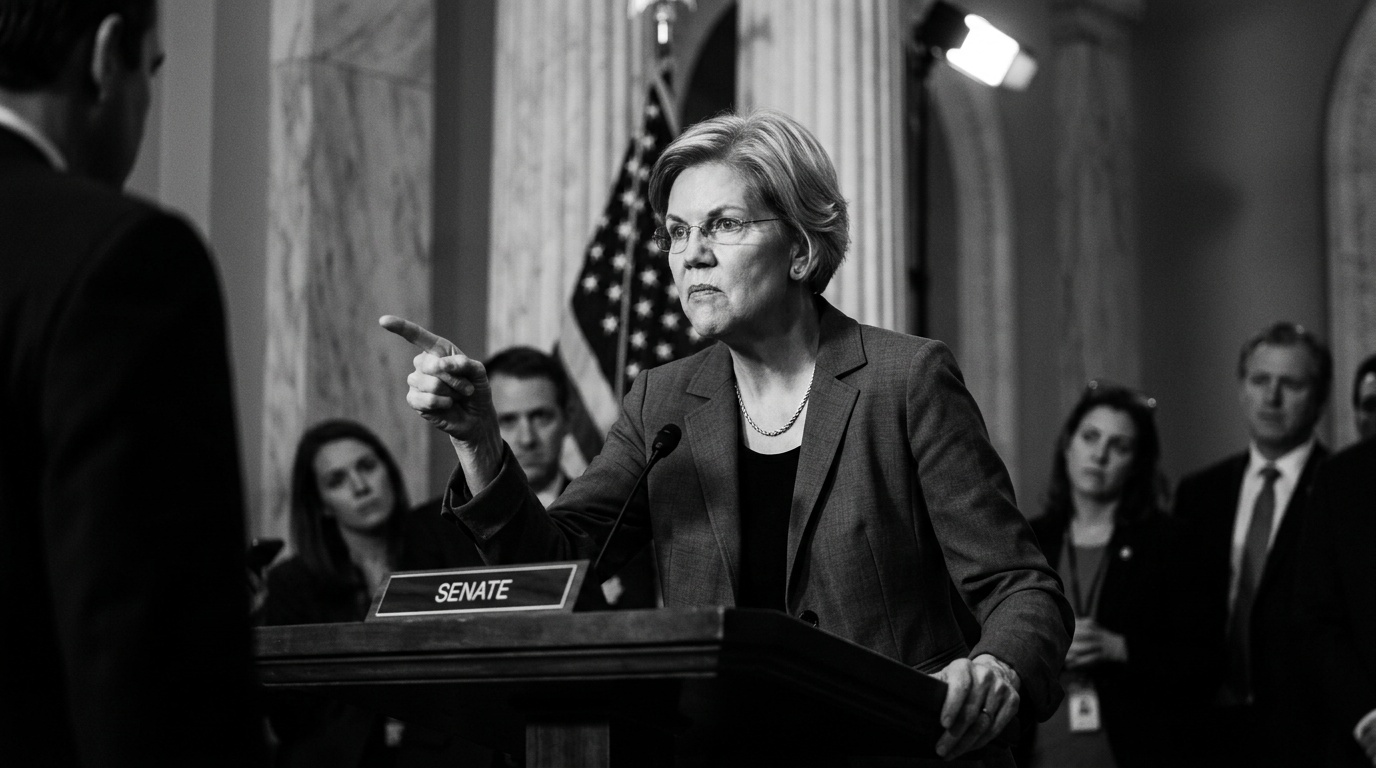
Sen. Chris Murphy (D-Conn.) took to X on Thursday with a message that was hard to miss: President Donald Trump may restart military action against Iran after the midterms, and Murphy is not mincing words about it.
Speaking at a Middle East Institute event, Murphy referenced one of his classified briefings with military leadership. "Trump is reportedly planning to restart war with Iran after the election," he said. "And while I cannot disclose any details, I can say this: the plan is insane."
Murphy, who has been fiercely critical of Trump's handling of the conflict, argued that renewed hostilities would lead to "devastating escalation" and fail to achieve any objectives. Strong words, sure. But the interesting part is what the betting markets are doing with that warning.
The Ceasefire Is Holding — For Now
Murphy's comments came on the heels of Trump's own statement that the conflict "could be over whenever I wanted it to be over." The president said the war needed to end "properly," with a guarantee that Iran would never obtain a nuclear weapon. That's the kind of phrasing that sounds reassuring until you remember it leaves the door wide open for more strikes if the guarantee doesn't materialize.
And the military, reportedly, is ready. The U.S. has prepared options for renewed strikes against Iran, including potential attacks on infrastructure if Trump orders another offensive after the elections. Iran, for its part, has threatened retaliation against U.S. allies in the Gulf. So the ingredients for a post-election flare-up are all sitting on the counter.
What the Prediction Markets Say
Over on Polymarket, the Polygon (CRYPTO: POL)-based prediction platform, traders are pricing in an 88% chance that the ceasefire continues through the midterms. That's actually up from 81% the day before. So the market is saying: calm down, the shooting probably stops before voters head to the polls.
But here's where it gets interesting. The odds steadily decline after the elections, falling from 83% on Nov. 4 to as low as 25% by Dec. 31. In other words, the market is pricing in a pretty significant risk that Murphy's warning turns out to be prescient. The ceasefire holds through the election, then the confidence starts to leak out of the balloon.
It's a classic prediction-market pattern: traders separate the near-term certainty from the medium-term uncertainty. Nobody wants to bet against a ceasefire that's currently in place. But once the political calendar flips, the incentives change, and the market knows it.
Murphy's warning, then, isn't just political noise. It's a signal that the post-midterm period could get messy, and the crypto bettors are already adjusting their positions accordingly. Whether Trump actually pulls the trigger on renewed strikes is another question entirely. But the odds suggest it's not a tail risk anymore.