Iran's Foreign Ministry spokesperson Esmail Baghaei said the country is ready to defend itself as Tehran questions U.S. commitment to negotiations, while officials dispute claims that oil prices are shaping diplomatic decisions.
At his weekly press briefing on Monday, Baghaei said tensions with Washington were increasing and accused the U.S. of presenting negotiations as an attempt to impose conditions rather than reach an agreement, reported Mehr News, Iran's semi-official news agency.
"The American side is not serious about negotiations," Baghaei said, arguing that the U.S. had confused negotiation with "dictation" and repeatedly misrepresented its position.
Baghaei said Iran had preserved diplomatic channels and complied with the 2015 agreement for years before the United States violated it. He also referred to agreements signed by former presidents Barack Obama and Joe Biden.
Iran Blames US For Oil Price Surge
Addressing oil prices, Baghaei said Iran would make decisions according to its national interests, not a single economic consideration. He added that diplomacy would remain available if Iran's leadership agreed it served the country.
"It is absolutely not the case that we would look at oil prices before engaging in negotiations. We are not going to halt diplomacy because of a single factor; we take action whenever the country's interests dictate it," the spokesperson said.
He also blamed U.S. actions for higher oil prices, saying Washington had made the Strait of Hormuz insecure due to its naval blockade.
Trump Rules Out Strike Today
The comments follow reports of possible military escalation. On Saturday, U.S. Central Command had prepared options for additional strikes after the November midterm elections, pending White House approval.
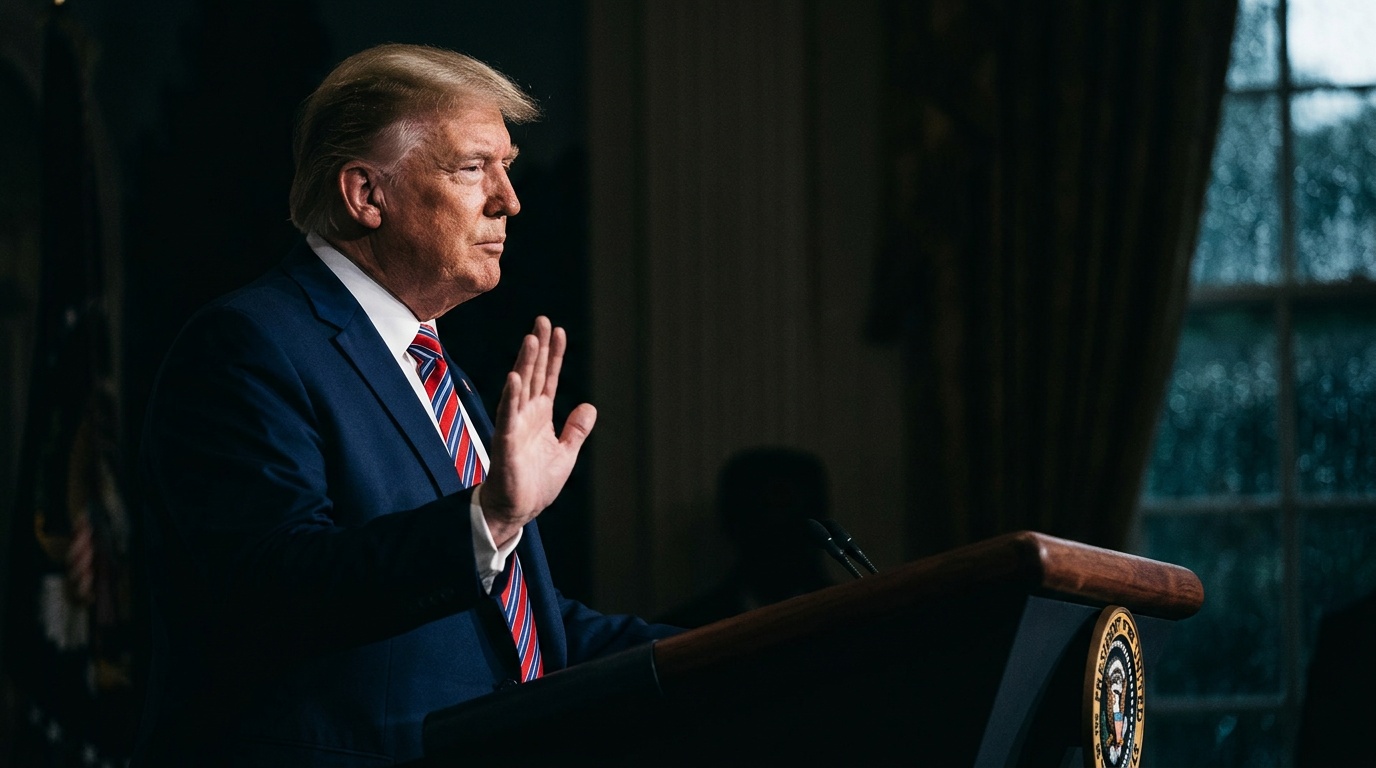
However on Sunday, President Donald Trump said, "The answer is no," when asked whether the U.S. would strike Iran that day, adding, "There will not be a strike today." The remarks eased immediate escalation concerns and sent oil prices lower.
At the time of writing, Brent Oil Futures dated January 2027 was trading 1.44% lower at $110.08 per barrel, while WTI crude oil futures dated December 2026 declined 2.08% to trade at 101.16 per barrel.
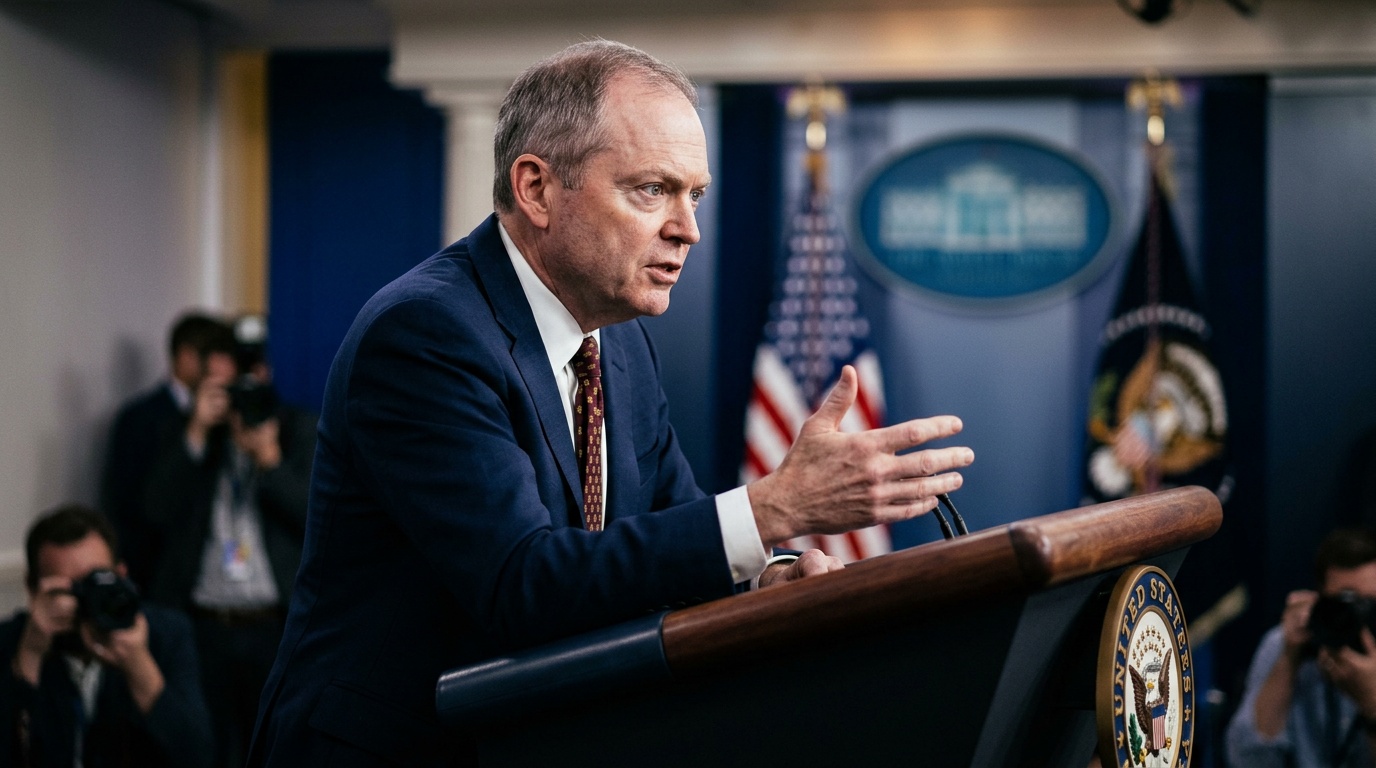
Meanwhile, Treasury Secretary Scott Bessent said Iran's threats had failed to disrupt energy markets, claiming that oil exports from the Persian Gulf had "surpassed pre-conflict levels." Bessent said Iran's threats had failed to disrupt global energy flows, citing Treasury Department data showing roughly 17–18 million barrels of oil leaving the region daily by late September 2026.