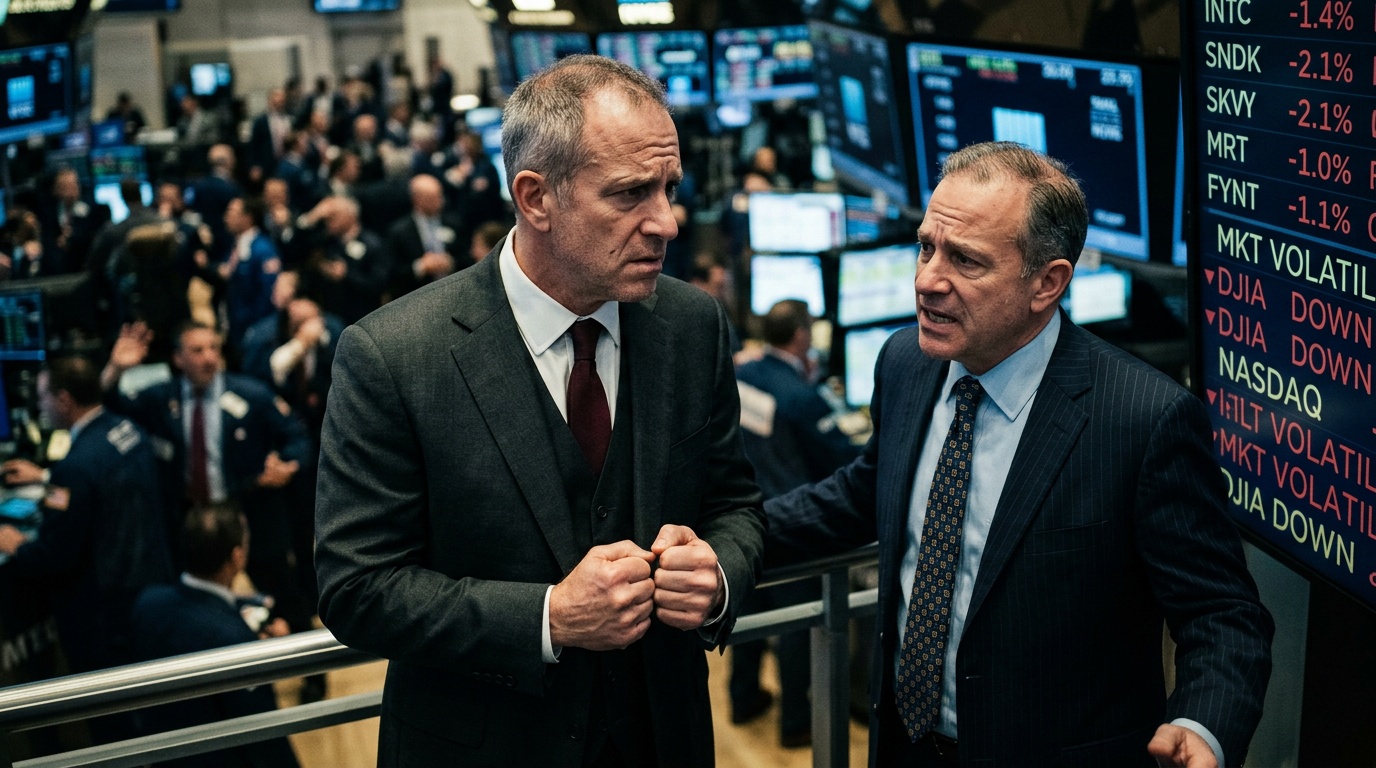
Three weeks ago, Brazilian stocks had their best day in more than six years. On Monday, they are on track for their worst day ever.
The iShares MSCI Brazil ETF (EWZ) traded at $31.83 in premarket trading, down 25.3% from Friday's close, according to market data. That would be the fund's worst session since its launch in July 2000.
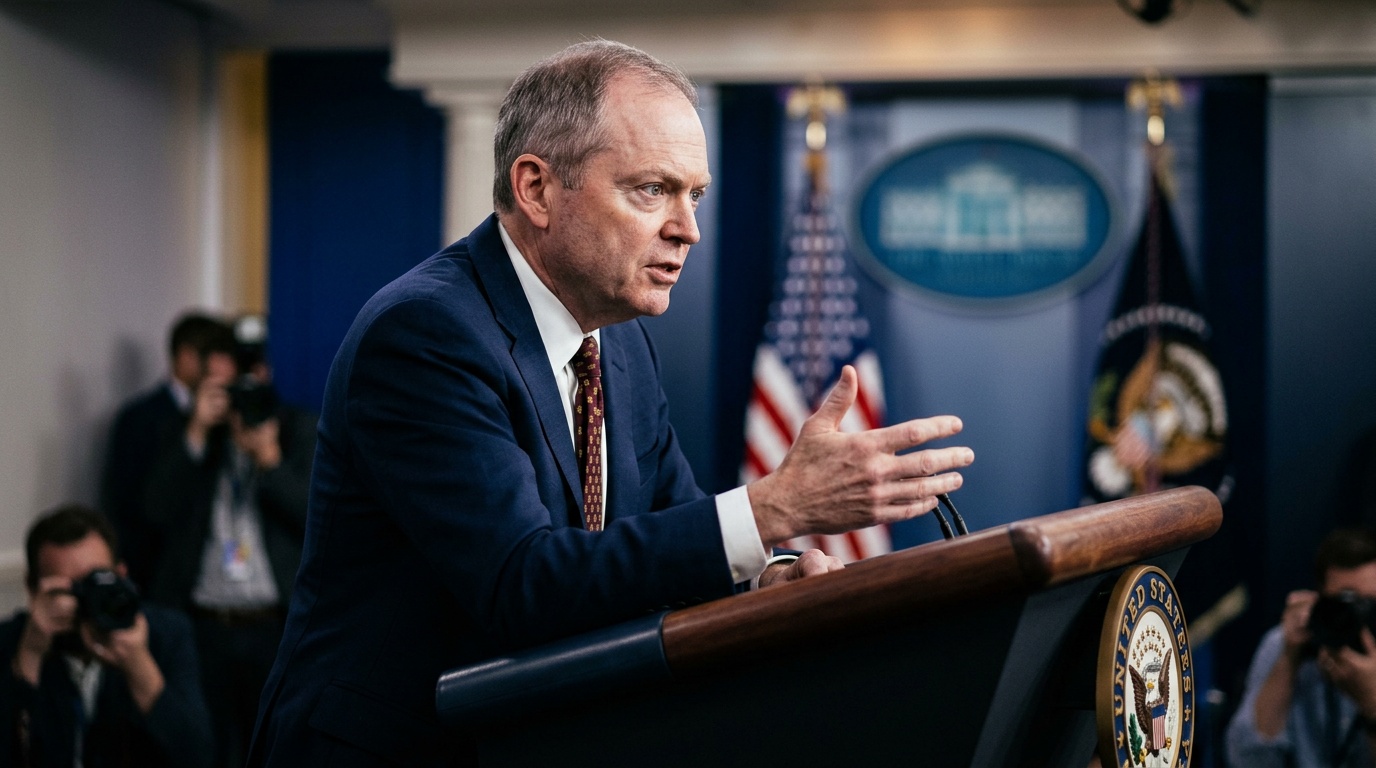
The downturn follows President Luiz Inácio Lula da Silva's Sunday run-off election victory. Da Silva won with 51.8% of the votes, ahead of Flávio Bolsonaro's 48.2%.
"Lula has won the election; restoring fiscal credibility will be the harder task," Andrés Abadía, chief Latin America economist at Pantheon Macroeconomics, said in a Monday note.
The Bolsonaro Bounce Meets Reality
Three weeks earlier, Bolsonaro had led the first round 47.0% to 45.2%. At the time, EWZ jumped 12.5% on Oct. 5, its biggest one-day gain since March 2020. The fund then attracted $4.09 billion of net inflows between Oct. 1 and Oct. 23, equal to 29.7% of its assets under management, according to etf.com/FactSet data.
Of that, $1.66 billion arrived in the week to Oct. 16 alone. EWZ had gained 11.3% over the month going into the vote.
That positioning is now unwinding in a single session.
A single-day drop could also wipe out almost the entire 2026 rally. EWZ ended Friday up 34% for the year. At Monday's premarket price, it sits barely above its Dec. 31 close of $31.77.
The current record is a 23.1% plunge on March 16, 2020, at the height of the pandemic panic. The second-worst came on Oct. 15, 2008, when the ETF lost 19.6%.
| Date | EWZ daily change | What happened |
|---|
| Mar 16, 2020 | -23.09% | Covid-19 market crash |
| Oct 15, 2008 | -19.63% | Global financial crisis |
| Mar 12, 2020 | -16.64% | Covid-19 market crash |
| May 18, 2017 | -16.33% | Michel Temer recording scandal |
| Mar 18, 2020 | -15.45% | Covid-19 market crash |
The five worst daily moves for the iShares MSCI Brazil ETF since its 2000 launch, based on closing prices. Source: TradingView
The ADR Wipeout
The selloff didn't just reach the large banks. It remained concentrated in the stocks that had rallied hardest on expectations of a Bolsonaro victory.
No Brazilian ADR appeared among the premarket gainers.
October 2002: When Lula Was The Risk
There is a historical rhyme here, and it runs in the opposite direction.
In October 2002, Brazilian assets collapsed on the fear that Lula would win his first presidency. The real hit record lows and sovereign spreads blew out before he had even taken office.
He then governed with an orthodox finance ministry, and markets spent years repricing the "Lula risk" away.
This time, Abadía expects the real to weaken, local yields to rise and equities to fall as election positions unwind. In his view, domestic rate-sensitive companies and state-controlled firms are the most exposed, while "exporters could benefit from a weaker BRL."
The premarket tape is following that script almost line by line. Fintechs, banks and utilities lead the declines.
The harder question is what brings investors back.
According to Abadía, rising mandatory expenditure, elevated debt-servicing costs and social spending commitments leave Lula little room for meaningful consolidation.
Investors, he said, will need concrete measures to contain spending and stabilise public debt, not fresh assurances about fiscal targets.
Congress adds another layer. Bolsonaro's Liberal Party holds 121 seats in the lower house and 28 in the Senate, leaving Lula dependent on the Centrão, the bloc of centrist parties, for any spending reform.
That congressional map cuts both ways. A stronger right could block further fiscal expansion, but it could just as easily block the consolidation investors are asking for.