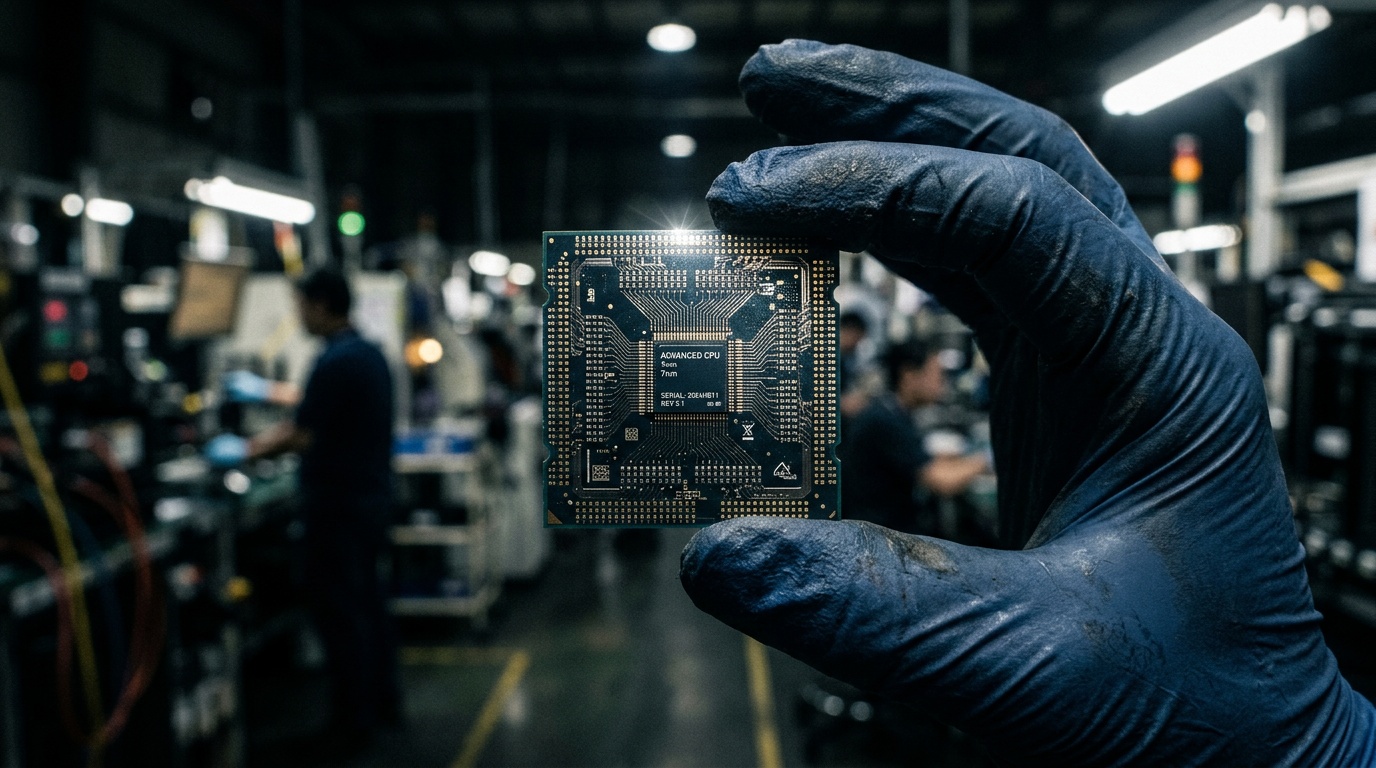
Memory stocks are losing their shine. Investors are reassessing whether the artificial intelligence infrastructure boom can keep running at this pace, and that rethink has put the Roundhill Memory ETF (DRAM) and the iShares Semiconductor ETF (SOXX) in the spotlight ahead of Western Digital Corp. (WDC) earnings.
The selling was broad on Thursday. Western Digital shares fell nearly 7%, Seagate Technology Holdings PLC (STX) dropped more than 7%, and both DRAM and SOXX slid nearly 7%.
The timing is not subtle. Western Digital is scheduled to report its fiscal first-quarter 2027 results after Thursday's closing bell, and investors are trying to figure out whether strong demand for AI-related storage and computing infrastructure can still support the lofty growth expectations baked into these stocks.
DRAM vs. SOXX: Two Ways to Watch the Pullback
DRAM gives you a more concentrated lens on the memory industry. SOXX spreads the risk across a broader set of semiconductor companies. Comparing their performance, holdings and drawdowns is a useful way to tell whether the weakness is concentrated in memory names or reflects a wider retreat from AI hardware.
Western Digital's numbers tell the story of the divergence. The stock has fallen 55% since hitting a peak in June, despite the S&P 500 gaining around 4.5% over the same period. Historical data cited by Trefis show that Western Digital declined an average of 34.8% across 15 market shocks since 2007, with a median recovery time of 8.7 months from the trough to its previous peak.
The key question now is whether Western Digital's earnings and guidance can reassure investors that improving fundamentals remain intact, or whether concerns about AI spending and slowing growth will keep weighing on memory and semiconductor ETFs.
Western Digital's Fundamentals Tell a More Complicated Story
Despite the recent weakness, the operating performance has improved significantly. Revenue reached $12.9 billion over the 12 months ended July 3, 2026, up 35.7% year over year. Operating margin climbed to 35.6% from 22.4% a year earlier.
The balance sheet is stronger too. Debt fell to $1.05 billion at the end of fiscal 2026, compared with $7.43 billion two years earlier, leaving the company with more cash than debt.
But growth indicators warrant attention. Western Digital previously guided for a 55% to 56% adjusted gross margin in fiscal first-quarter 2027, only modestly above the 54.4% reported in the preceding quarter. Investors will be watching the latest results and outlook for signs that pricing power and profitability can withstand moderating shipment growth.