Gasoline prices are squeezing drivers, and Vice President JD Vance has a theory about why. Speaking at a CBS News town hall on Saturday, he said a major culprit is that 20% of U.S. refining capacity went offline under then-President Joe Biden.
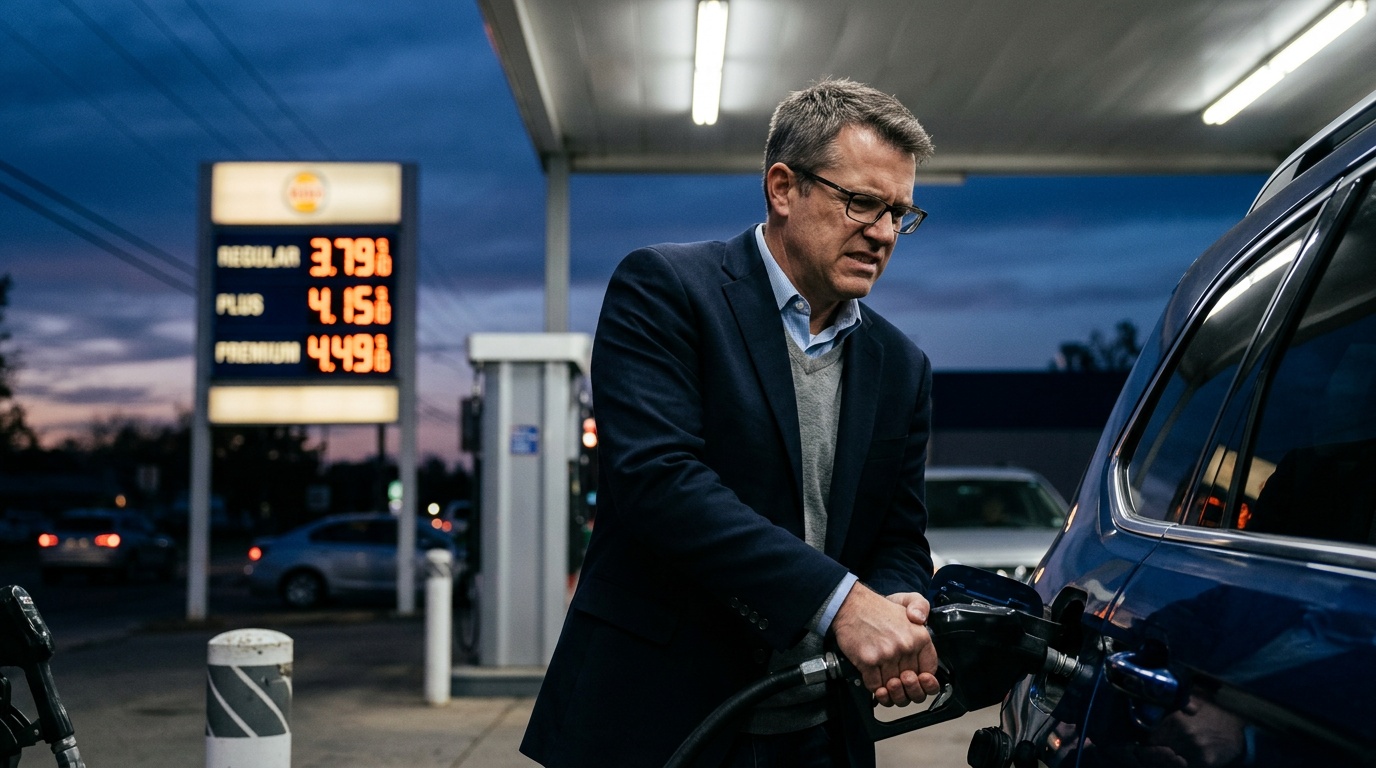
The question came from Detroit barber Keyshawn Wheatley, who voted for President Donald Trump in 2020 and 2024. Wheatley told Vance he was paying about $4.33 a gallon for gasoline and asked how prices could return to the lower levels seen during Trump's first term.
Vance acknowledged the pain at the pump and pointed first to the Middle East.
"First of all, I recognize that gas prices are too high right now," Vance said. "And I think it's important to be honest about why they are so elevated."
He then cited Iran's attacks on commercial shipping as a factor pushing up fuel costs.
"The first thing that's going on, obviously, is what's happening in the Middle East, particularly the fact that the Iranians are shooting at every commercial ship that they can," Vance said. "It's a global energy market, so that's pushing up the price of fuel everywhere."
Vance also mentioned the administration's use of the Defense Production Act to expand refining capacity in Texas before landing on his central argument.
"That's actually the biggest reason why gas prices are so high is because when Joe Biden was president, we had about 20% of American refining capacity that went offline," he said.
"We're slowly bringing that online, but it does take a little bit of time," Vance continued. "And because we shut down so much refining capacity, we were more susceptible to the shock that we've seen in the Middle Eastern energy prices."
Vance later argued the country had lost too much oil, gas and refining capacity, and that rebuilding it takes time. He predicted gasoline prices would decline once the Iran conflict ends, and argued that U.S. military efforts to protect shipping through the Strait of Hormuz had prevented prices from rising even higher.
The moderator pushed back on the administration's timeline, noting that nearly two years had passed since Trump returned to office. The exchange also referenced Vance's description of the price increase as a "temporary blip" in March.