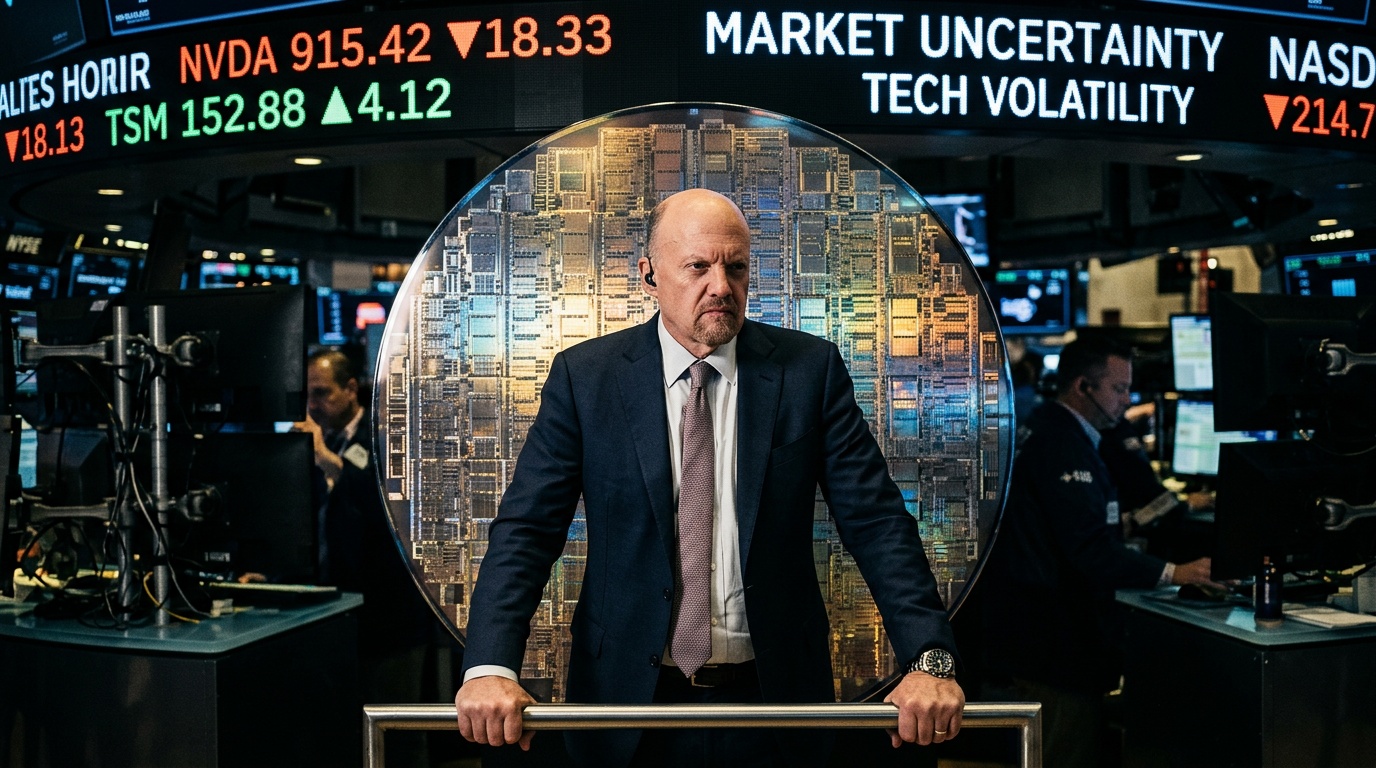
The S&P 500 has gained approximately 14% in 2026, yet more than 40% of its constituent stocks have declined this year, according to Reuters.
The median S&P 500 stock has gained just 4%, while fewer than half of its constituents are trading above their 200-day moving averages, masking growing weakness beneath the surface.
As more index constituents struggle, the Magnificent Seven — a small group of U.S. mega-cap technology companies — remains the critical pillar of support, raising questions about how diversified investors really are when they own broad-market ETFs.
BTIG Warns Mag 7 Is The Market's 'Last Man Standing'
In a warning highlighted by ZeroHedge, BTIG chief market technician Jonathan Krinsky, in his technical note named “Last Man Standing,” cautioned that the Magnificent Seven's continued strength has become a key support for the broader market.
That concentration extends directly into ETF portfolios. The Magnificent Seven accounted for approximately 34.8% of the S&P 500's market capitalization as of Oct. 13, according to historical index-weight data.
That means investors in market-cap-weighted funds already have substantial exposure to Nvidia Corp (NVDA), Apple Inc (AAPL), Microsoft Corp (MSFT), Amazon.com, Inc (AMZN), Alphabet Inc (GOOGL), Meta Platforms, Inc (META) and Tesla, Inc (TSLA), even without buying a dedicated technology or AI fund.
The SPDR S&P 500 ETF Trust (SPY) provides broad exposure to the index, but its market-cap-weighting methodology gives the largest companies disproportionate influence over returns. The Invesco QQQ Trust (QQQ) offers another route into mega-cap growth stocks, potentially adding to concentration when held alongside an S&P 500 fund. Meanwhile, the Roundhill Magnificent Seven ETF (MAGS) provides more direct exposure to the group.
Can Equal-Weight ETFs Offer an Alternative?
Investors seeking to reduce their dependence on mega-cap leaders could consider the Invesco S&P 500 Equal Weight ETF (RSP). By assigning approximately equal weights to S&P 500 constituents at rebalancing, RSP spreads out the influence of the largest companies and increases exposure to smaller index members.
However, equal weighting is not automatically a safer bet. RSP can lag when mega-cap leaders continue outperforming and carries different sector-allocation and rebalancing risks.
Why Market Breadth Matters For ETF Investors
The bigger question is whether the S&P 500's resilience reflects broad corporate strength or the performance of a handful of dominant companies. If the Magnificent Seven lose momentum before the rest of the market recovers, index funds could come under pressure despite their apparent diversification.
With market breadth weakening, investors may need to look beyond headline index returns to understand the concentration risk embedded in their ETF portfolios.