






President Donald Trump still favors diplomacy with Iran. But he's also prepared to impose further consequences if Tehran refuses to negotiate, and Iranian officials have reportedly sketched out new tactics to disrupt shipping and keep global oil prices elevated ahead of November's U.S. midterm elections.
Iran's New Strait of Hormuz Playbook: Keep Oil Prices High, Sink Trump's Midterm Odds
MarketDash
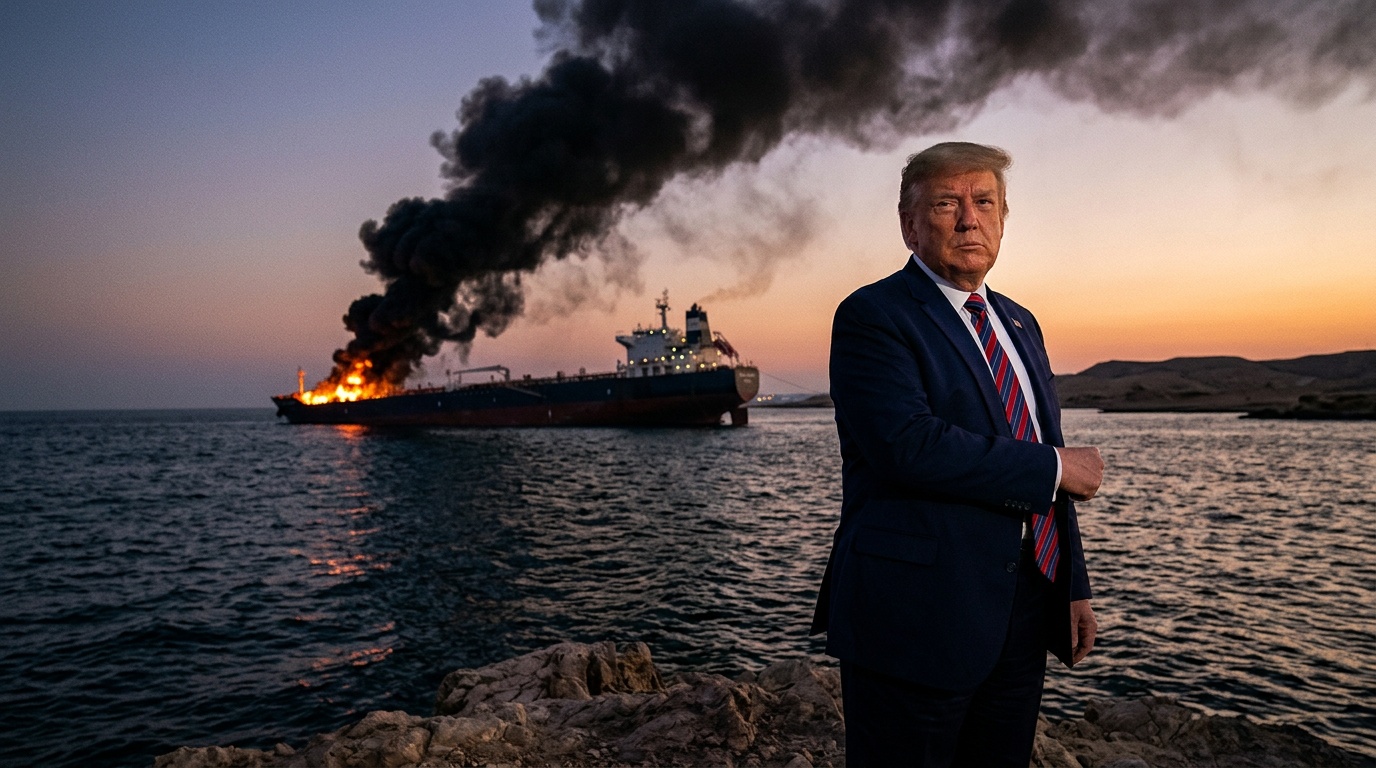
Trump wants a deal with Iran, but Tehran is reportedly escalating attacks on shipping in the Strait of Hormuz to keep oil prices elevated ahead of November's U.S. midterms.
Get Market Alerts
Weekly insights + SMS alerts
Trump Prefers Diplomacy But Draws Nuclear Red Line
State Department spokesperson Tommy Pigott told Al Jazeera on Tuesday that Trump still wants a diplomatic resolution to the conflict, but Iran must decide whether to negotiate or face further consequences.
Pigott reiterated Washington's position that Iran must not acquire a nuclear weapon, adding that Trump intends to achieve that objective one way or another.
On energy markets, Pigott stated that oil shipments through the Strait of Hormuz have surpassed pre-conflict levels, excluding Iranian oil, which remains under a U.S. blockade.
He also said Washington would honor its commitments to Saudi Arabia amid escalating Houthi attacks, while declining to disclose any potential U.S. response.
Pigott also rejected reports that Iran transferred $200 million to Hezbollah last month, alleging the group's remaining revenue comes from drug trafficking and cooperation with criminal cartels rather than Iranian financial support.
WTI crude oil rose 1.09% to $95.17 per barrel, while Brent crude gained 1.14% to $106.89 per barrel at the time of writing.
Iran Changes Strait of Hormuz Tactics to Keep Oil Prices High
Meanwhile, Iran is deploying new tactics against ships sailing through the Strait of Hormuz in an effort to maintain high oil prices and influence the U.S. midterm elections, Reuters reported, citing two senior Iranian officials.
Tehran has restricted shipping through the strategic waterway since U.S. and Israeli strikes against Iran began Feb. 28. The strait handled roughly one-fifth of global oil and liquefied natural gas trade before the conflict.
One Iranian official said the country began using different offensive tactics against vessels it considers to be violating its restrictions about 10 days ago, resulting in more attacks.
A U.S. military official also said Iran's Islamic Revolutionary Guard Corps has begun using unarmed spotters in small boats to identify potential targets after U.S. strikes destroyed much of its radar capabilities.
Iran also plans to expand operations beyond the strait into the Gulf of Oman and other waters, officials said.
"The aim is to frustrate efforts by the United States and its allies to bring down global oil prices," one official told Reuters.
More News

Chip Stocks Get Crushed as Korea's KOSPI Drops 5%, J&J Falls 6%: Markets Today

Bank of America Hit With $1.2 Billion in Treasury Penalties on the Eve of Earnings
Iran's New Strait of Hormuz Playbook: Keep Oil Prices High, Sink Trump's Midterm Odds
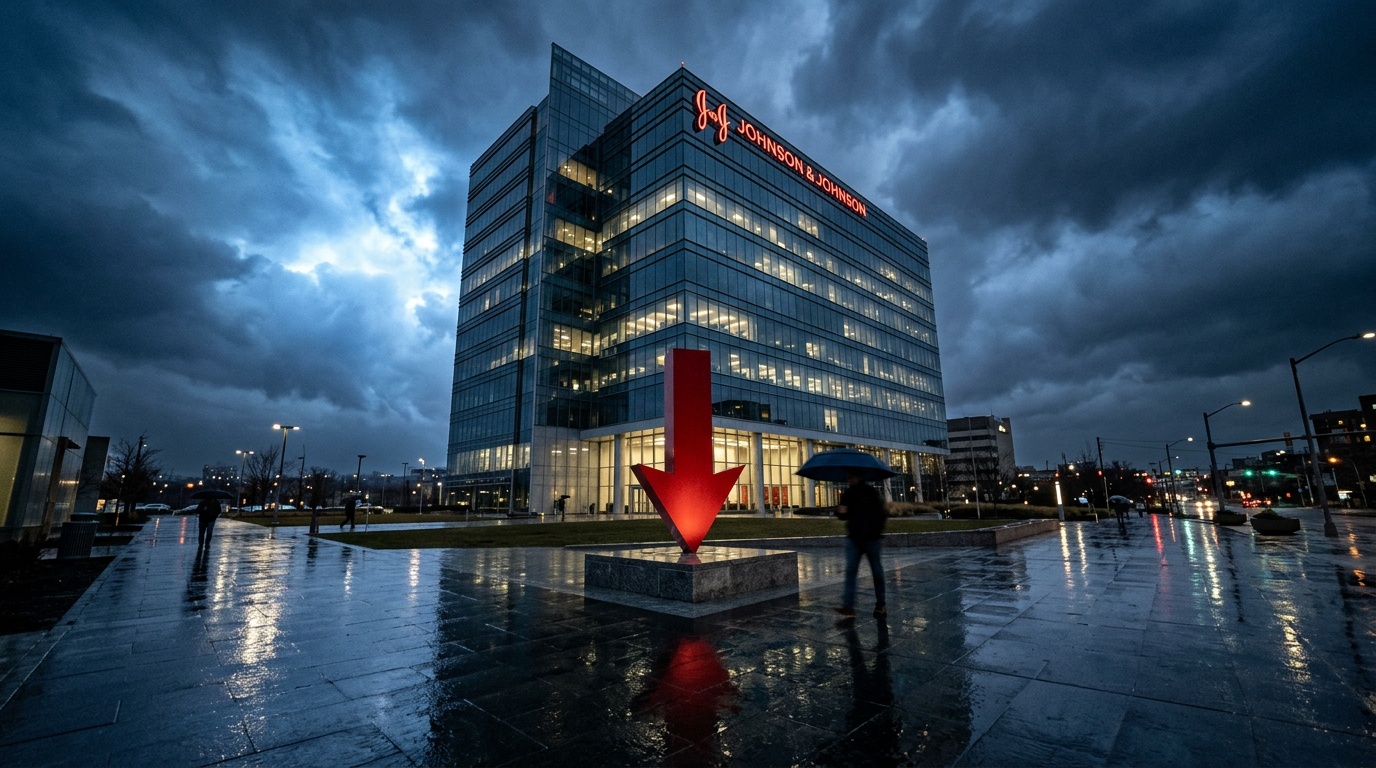
J&J's MedTech Miss Overshadows Earnings Beat, Stock Heads for Worst Day Since April 2025

Goldman's Solomon: AI's Trillion-Dollar Buildout Faces a Financing Reality Check
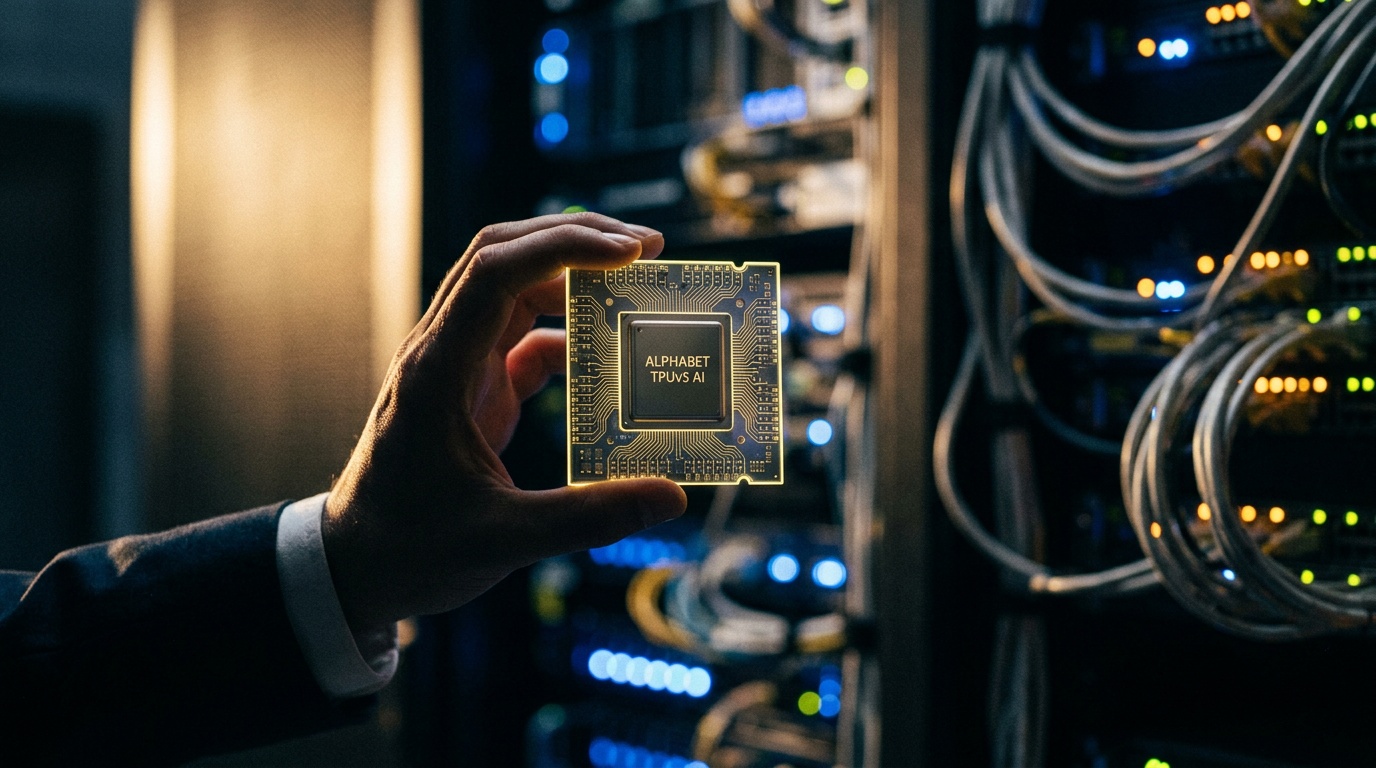
Alphabet's AI Chips Could Be a $100 Billion Side Hustle by 2028, Analyst Says
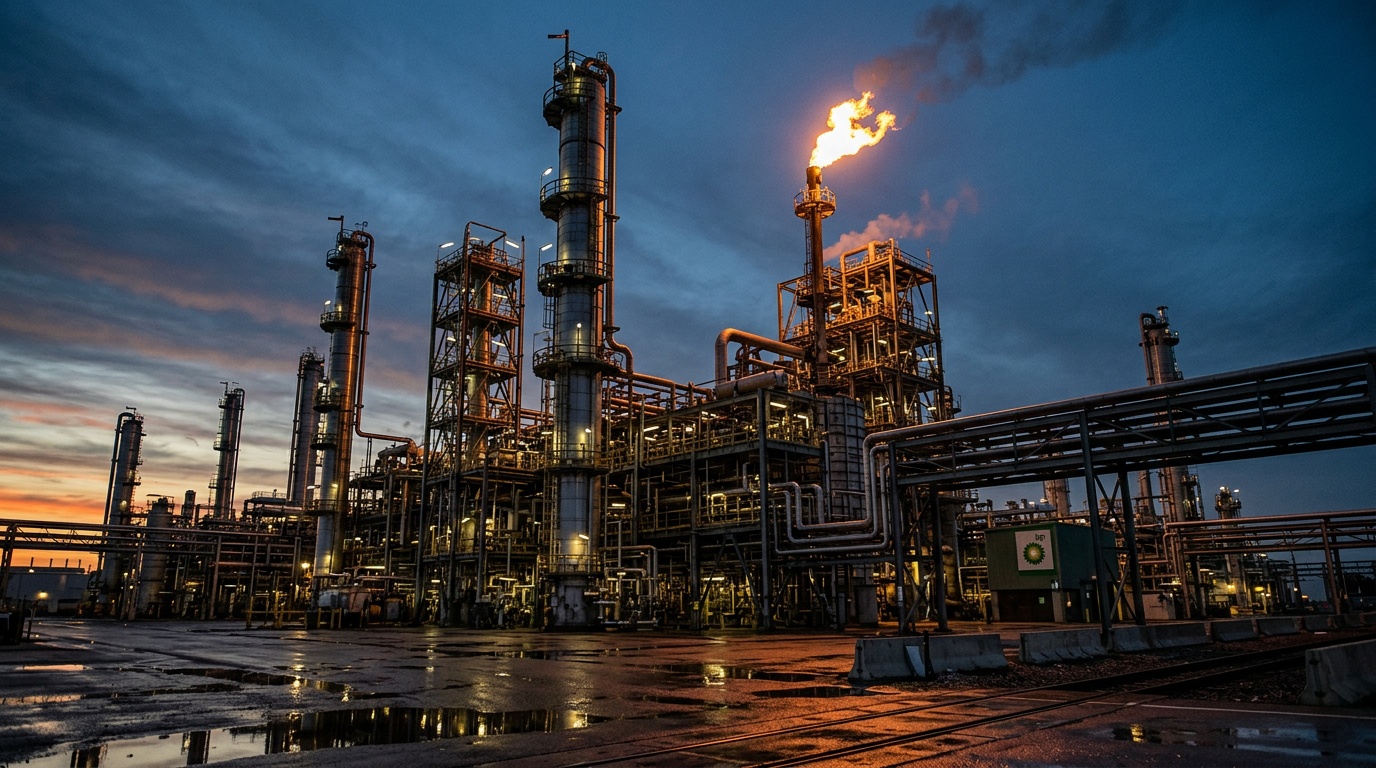
BP Stock Hits 52-Week High as Refining Margins Explode Higher

GameStop Stock Hits 52-Week High as Cohen Continues Buying Spree
Get Market News Alerts
Real-time alerts on price moves, news, and trading opportunities.
Join 20,000+ investors. No spam, ever.
Featured Articles
View all newsChip Stocks Get Crushed as Korea's KOSPI Drops 5%, J&J Falls 6%: Markets Today
By MarketDash
October 13, 2026
Bank of America Hit With $1.2 Billion in Treasury Penalties on the Eve of Earnings
By MarketDash
October 13, 2026
J&J's MedTech Miss Overshadows Earnings Beat, Stock Heads for Worst Day Since April 2025
By MarketDash
October 13, 2026
Goldman's Solomon: AI's Trillion-Dollar Buildout Faces a Financing Reality Check
By MarketDash
October 13, 2026
Alphabet's AI Chips Could Be a $100 Billion Side Hustle by 2028, Analyst Says
By MarketDash
October 13, 2026
BP Stock Hits 52-Week High as Refining Margins Explode Higher
By MarketDash
October 13, 2026
GameStop Stock Hits 52-Week High as Cohen Continues Buying Spree
By MarketDash
October 13, 2026