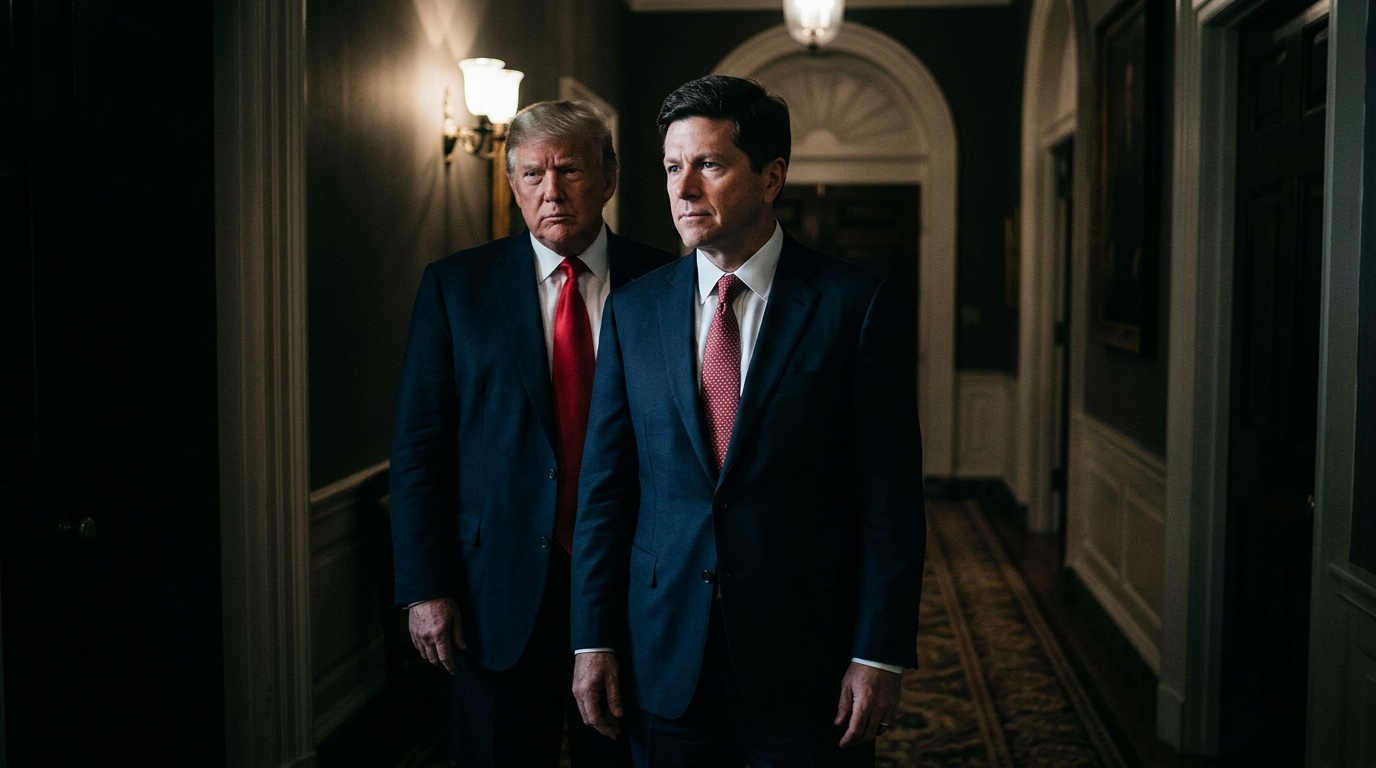
Jay Clayton, the Director of National Intelligence, has reportedly been appointed to serve as the Trump administration's AI czar, where he'll lead a new White House "Super Intelligence Force."
According to Clayton, the new task force will have 120 days to report on the risks and opportunities of AI and determine the federal government's responsibility, The Wall Street Journal reported on Saturday.
"The president asked that a group be put together that was going to ensure exactly what he said," Clayton said, that "we stay the leaders in superintelligence, and that the interests of the American people are put first."
Clayton was confirmed in July to lead the Office of the Director of National Intelligence. He previously served as the U.S. attorney for the Southern District of New York and later headed the Securities and Exchange Commission during the first Trump administration.
Trump Signaled Support, Sought Input First
The move follows an earlier WSJ report that President Donald Trump was expected to name Clayton to the role.
When asked earlier this week whether Clayton was under consideration, Trump called him a "good man" and a "good idea." He said he wants input from tech companies, House Speaker Mike Johnson and Senate Majority Leader John Thune before deciding.
The report, citing a White House official, said the president announces personnel decisions himself and called earlier reports speculation.
On Tuesday, Clayton attended the White House meeting with AI leaders, including OpenAI's Greg Brockman, Anthropic's Dario Amodei and Nvidia Corp. (NVDA) CEO Jensen Huang.
Regulation Debate
The role has been vacant since David Sacks left in March to become co-chair of a White House technology advisory group. During his tenure, Sacks supported limited regulation to help the U.S. maintain an advantage over China. That approach has faced challenges from AI-driven cyberattacks and public opposition to data centers.
In the recent meeting of tech leaders, AI CEOs pledged internal controls, third-party model reviews and board notifications on safety efforts. Trump and Vice President JD Vance praised the voluntary steps. Skeptics argue that self-regulation is not enough as AI models continue to advance rapidly.
The new "Super Intelligence Force" will examine the risks and opportunities posed by AI and recommend what role the federal government should play in overseeing the technology. Speaking on CNBC, Clayton said the work would be an extension of his current role, given the growing security threats posed by AI.
"This is very much a part of I would say the same portfolio, which is protecting the American people," he said.