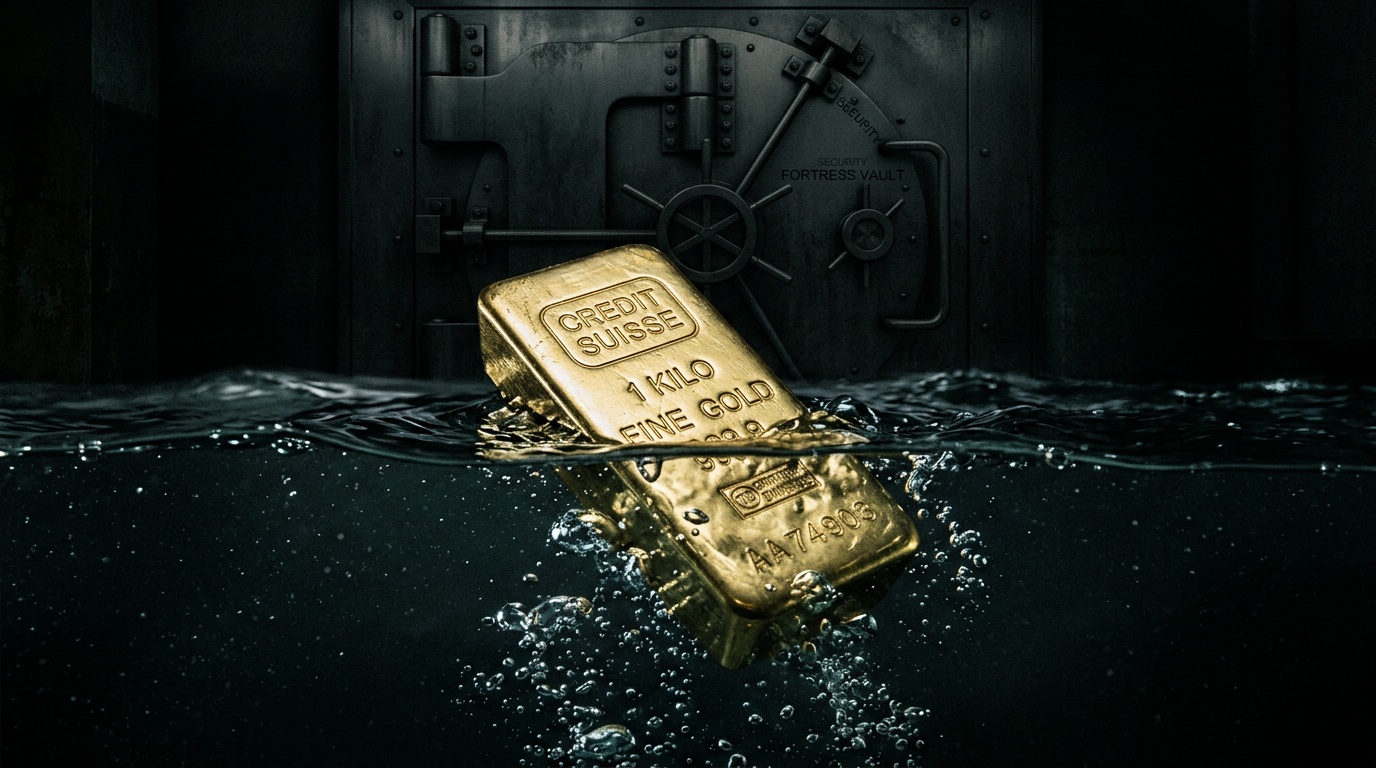
Gold has spent 2026 living through a war in the Gulf, an oil shock and inflation stuck above 3%. That should have been ideal for a hedge against inflation and disorder.
Instead, the metal trades roughly 25% below its January peak.
The reason is a number the bond market last printed in 2007. The 10-year Treasury yield rose to 5.22%, the highest since June 2007.
Traders now put the odds of a second straight Federal Reserve rate hike at 70.3%.
Spot gold fell 3.06% to $4,153.10 an ounce on Monday, its lowest close since early August. SPDR Gold Shares (GLD) closed Friday at $393.41, 22.8% below its January all-time high of $509.70.
So why is gold falling at a time when inflation fears are running high?
Oil Is The Link Between Hormuz And The Fed
The chain starts in the Strait of Hormuz.
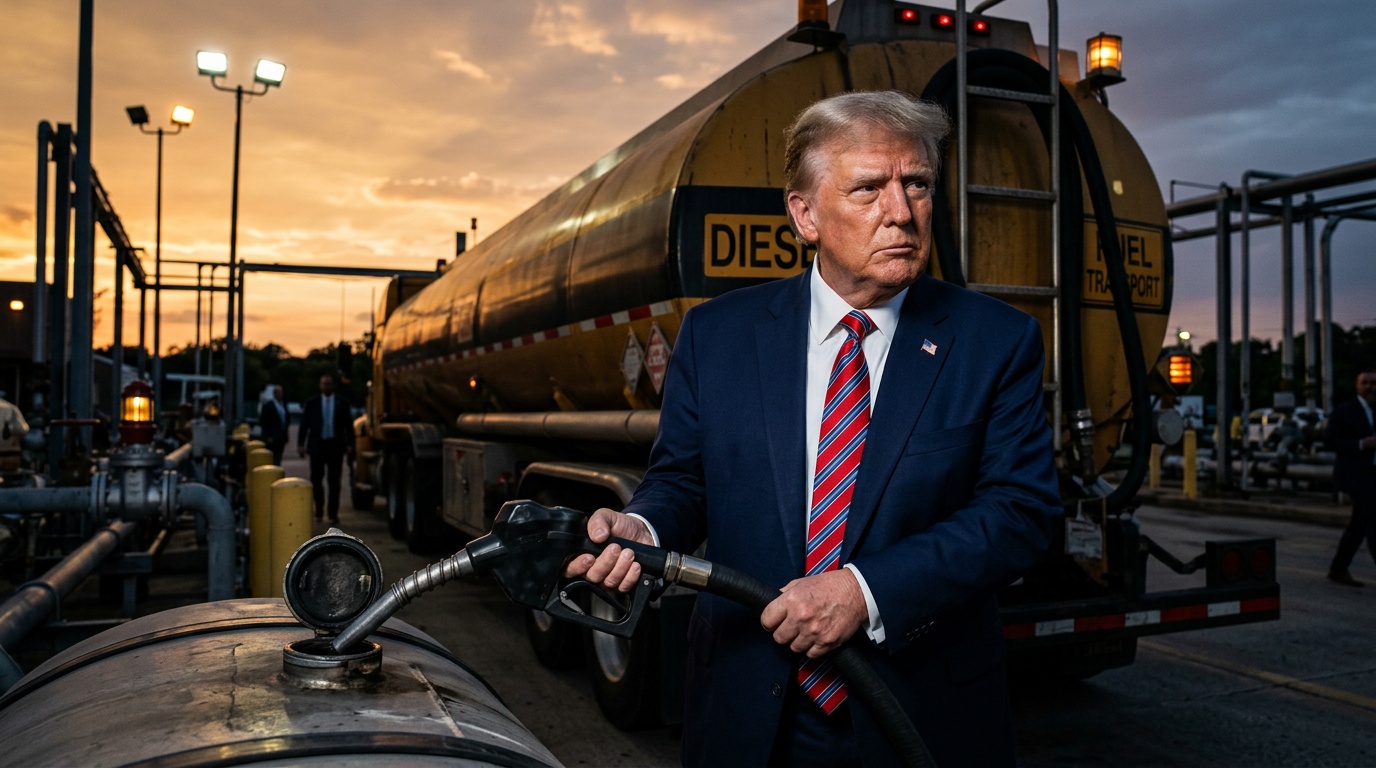
Over the weekend, President Donald Trump rejected Iran's proposal to reopen the waterway within seven days. West Texas Intermediate crude rose nearly 4% to $95.89 a barrel on Monday.
After that, the steps follow in order. Higher oil lifts inflation.
Higher inflation pushes the Fed toward more hikes. More hikes push Treasury yields up.
Higher yields make gold, which pays no interest, less attractive.
"The high bond yields and high oil price tandem continues to act as a thorn in gold's side," Tim Waterer, chief market analyst at KCM Trade said on Monday.
He added that the week's data could make things worse.
"Stronger-than-expected inflation or employment numbers could keep upward pressure on bond yields and weigh further on gold," Waterer said.
UBS strategist Giovanni Staunovo pointed to the same two drivers, rising oil and growing bets on further U.S. hikes. He warned they could keep real interest rates and the dollar elevated and raise the cost of holding gold.
Real Yields Are Doing The Damage
The yield that matters most for gold is the real one. A real yield is what a bond pays after expected inflation. The 10-year Treasury Inflation-Protected Securities (TIPS) yield, a direct measure of it, stood at 2.87% on Monday.
In simple terms, a 10-year Treasury now pays almost 2.9% a year above inflation.
Every rise in real yields makes the gold position more expensive to hold.
"It's real rates that have moved up more than the inflation expectations," Cleveland Fed President Beth Hammack said on Friday.
For gold, that is the harder case.
If the rise in yields were driven by fear of inflation, gold could hold up as an inflation hedge. When real rates are doing the rising, gold usually has no offset.
Adam Button, head of currency strategy at investingLive, saw the link play out in real time last week.
"You saw the clear correlation when it broke at five percent again," he said in Kitco's weekly survey. "It shot higher; gold went down. Gold is a bit of a risk asset too, so that's the drag."
ING's economists said Monday that October hike pricing stood at 16 basis points, or about 64% of a full quarter-point move. "Upside surprises in jobs data could take rate hike pricing for the October FOMC above 20bp," they wrote.
August PCE inflation arrives Wednesday. It is the first reading of the Fed's preferred gauge since the September hike, after core PCE rose 3.3% in the 12 months through July. September payrolls follow on Friday.