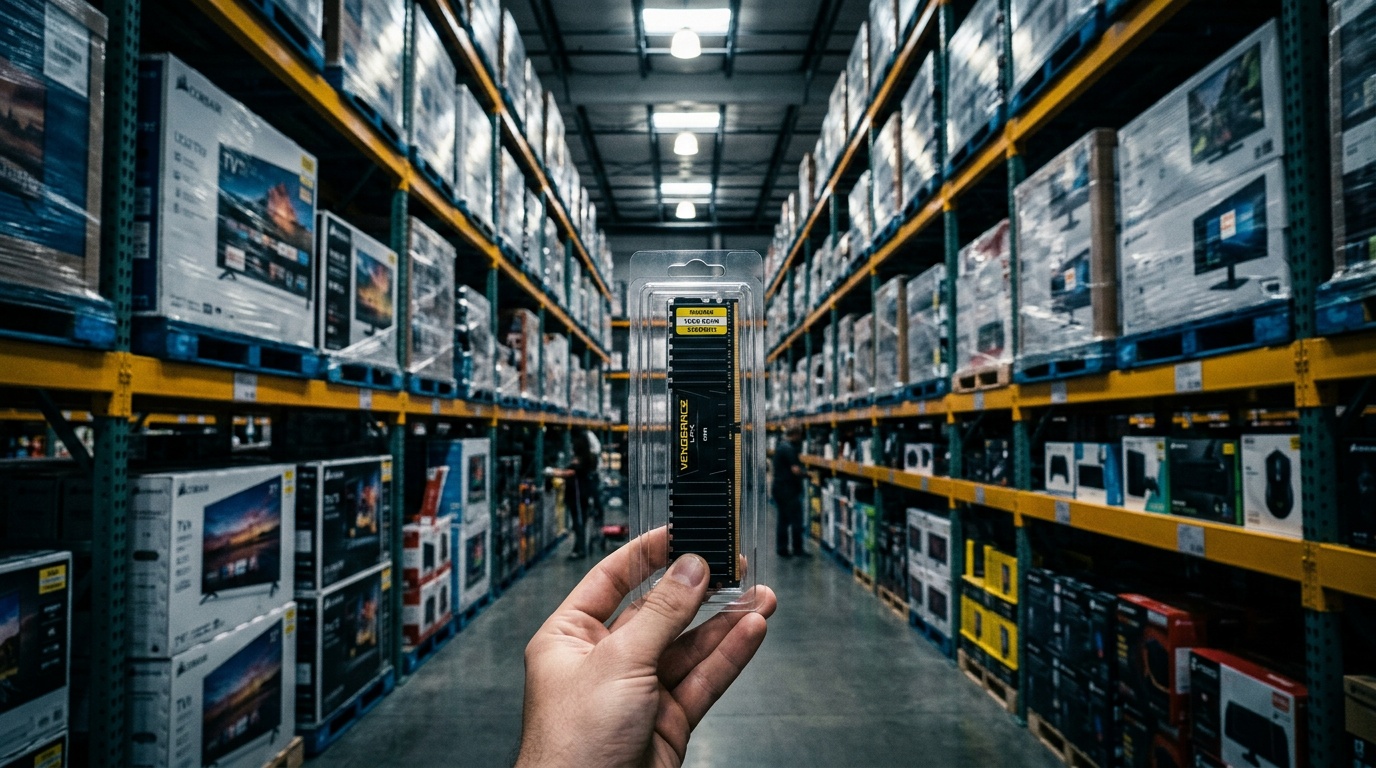
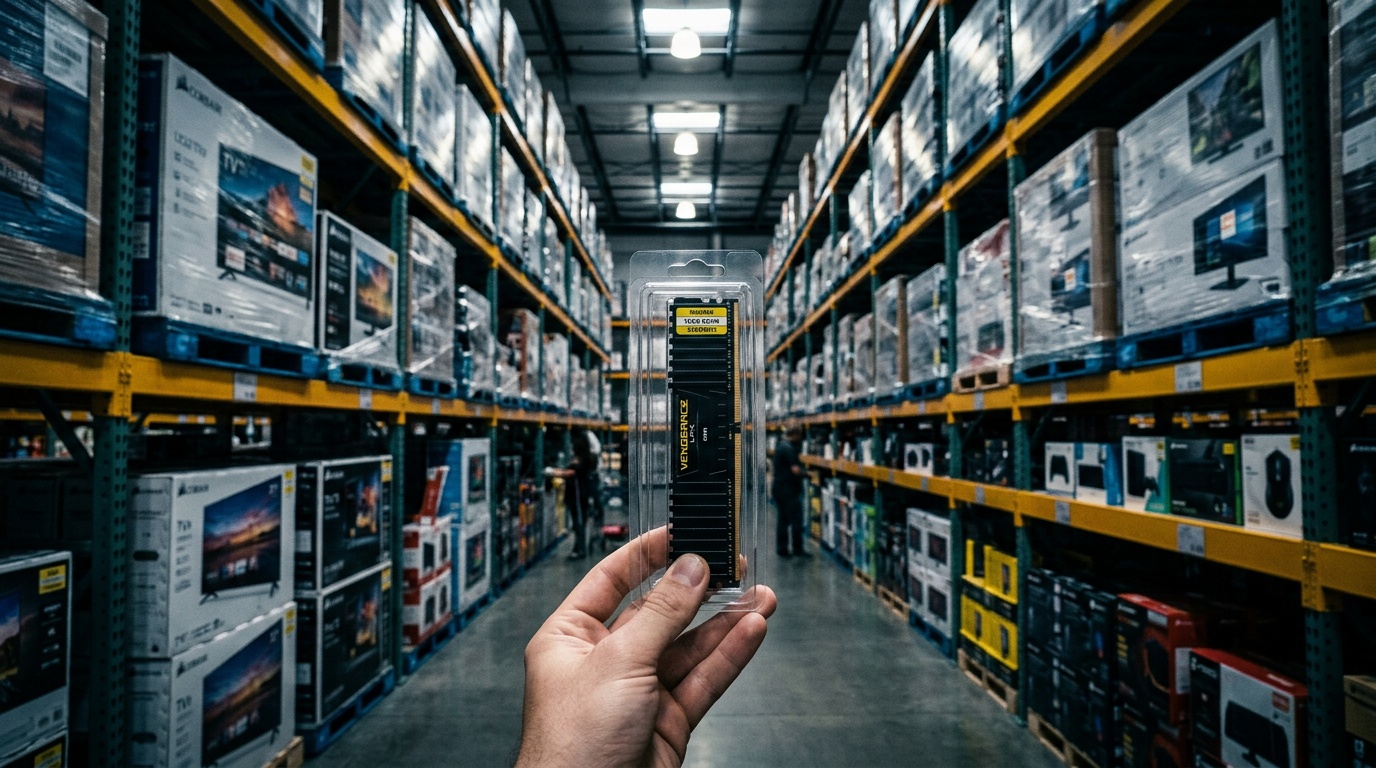
Costco Wholesale Corp. (COST) used its Wednesday earnings call to deliver a message that anyone shopping for a new laptop or TV has probably already felt: memory prices are climbing, and that's pushing up the cost of consumer electronics.
Management said non-food inflation increased in the fourth quarter, driven mainly by higher memory costs. Gas and petroleum-based products added to the pressure too. The retailer called memory prices one of the biggest drivers of inflation in its non-food business.
There were also some logistical headaches. Costco reported minor shipping disruptions from recent typhoons in Asia and El Niño-related delays at the Panama Canal.
Costco Beats Q4 Earnings Estimates
Despite the cost pressures, the quarter itself was a beat. Costco reported fourth-quarter EPS of $6.75, topping the consensus estimate of $6.52.
Net sales came in at $93.87 billion, up 11.2% year over year. Total revenue, which includes membership fees, reached $95.72 billion, beating the Street estimate of $94.86 billion.
Growth was broad-based across meat, bakery, appliances, electronics, and health and beauty products. Gas, pharmacy, and travel grew faster than the company overall.
Costco also received $184 million in IEEPA tariff refunds during the fourth quarter, and said it received a similar amount in the first quarter of fiscal 2027.
Comparable sales rose 9.4%. Excluding gas price inflation and foreign exchange, comparable sales increased 6.7%.
Reported gross margin fell 11 basis points to 11.02% from 11.13%. Excluding gas inflation, gross margin actually increased 20 basis points.
Core-on-core margins rose 18 basis points, excluding tariff refunds and reinvestments. Supply-chain efficiencies, higher labor productivity and a favorable sales mix supported margins.
Digital Sales And Pharmacy Growth Accelerate
The digital side of the business kept humming. Digitally enabled comparable sales increased 19.5%, or 19.8% on a foreign exchange-adjusted basis.
Pharmacy sales climbed nearly 20% during the fiscal year. Costco credited digital capabilities, GLP-1 drugs, fertility services, Rx Mobile, Pay Ahead and pickup lockers as growth drivers.
For the year, Costco generated more than $33 billion in digitally enabled sales, up over 20%.
Worldwide shopping frequency increased 3.3% in the quarter. Average transaction value rose 5.9%, or 3.3% excluding gas price inflation and foreign exchange.
Membership fee income increased 7.3% to $1.85 billion. Excluding foreign exchange, it rose 7.7%.
On the delivery front, Costco expanded Uber Eats from 17 states to the entire U.S. and rolled out DoorDash nationwide. Instacart remains available in the U.S. and Canada.
Average delivery times across the three platforms are under one hour. Costco said most of those sales appear to be incremental.
Site and app traffic rose 30% in the fourth quarter. Personalized sales increased by triple digits, while 10% of Costco.com orders included a personalized item.
Traffic from AI-powered search also grew by triple digits for the second consecutive quarter. Costco said it produced the highest conversion rate among its traffic sources.
Costco Plans $7.5 Billion In Fiscal 2027 Capex
Capital expenditures totaled $2.21 billion in the fourth quarter.
Looking ahead, Costco expects about $7.5 billion in capital expenditures in fiscal 2027. Spending will mainly support a larger warehouse pipeline and continued supply-chain investment.
Beyond fiscal 2027, the company expects capital expenditure growth to slow following three years of elevated investment that began in fiscal 2025.
Costco opened 12 warehouses during the quarter. That included one relocation in Taiwan, 10 new U.S. locations, and its 43rd warehouse in Mexico.
The company plans to open 33 warehouses in fiscal 2027, including five relocations. Costco is working toward a longer-term target of 30 net new warehouses annually.
COST Price Action: Costco Wholesale shares were down 0.24% at $894.31 during premarket trading on Friday, according to market data.