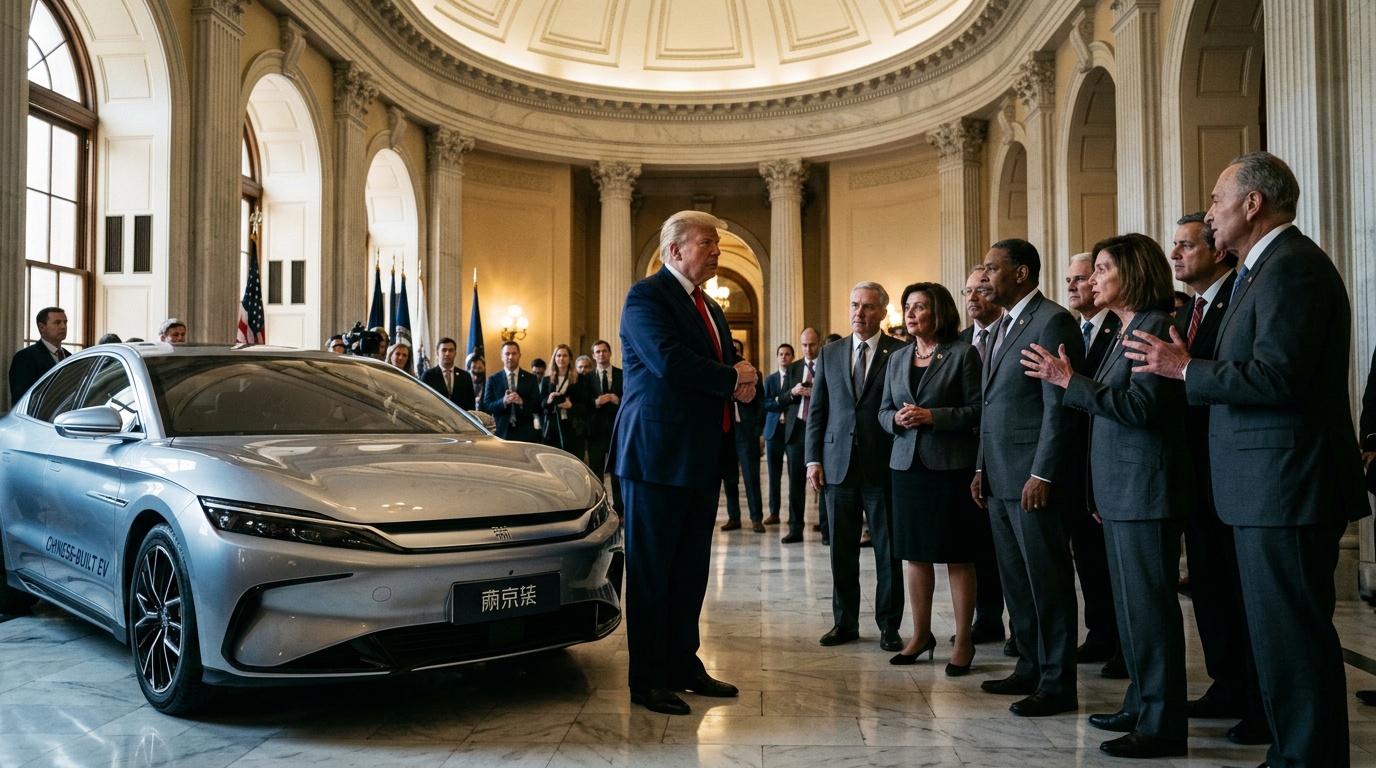
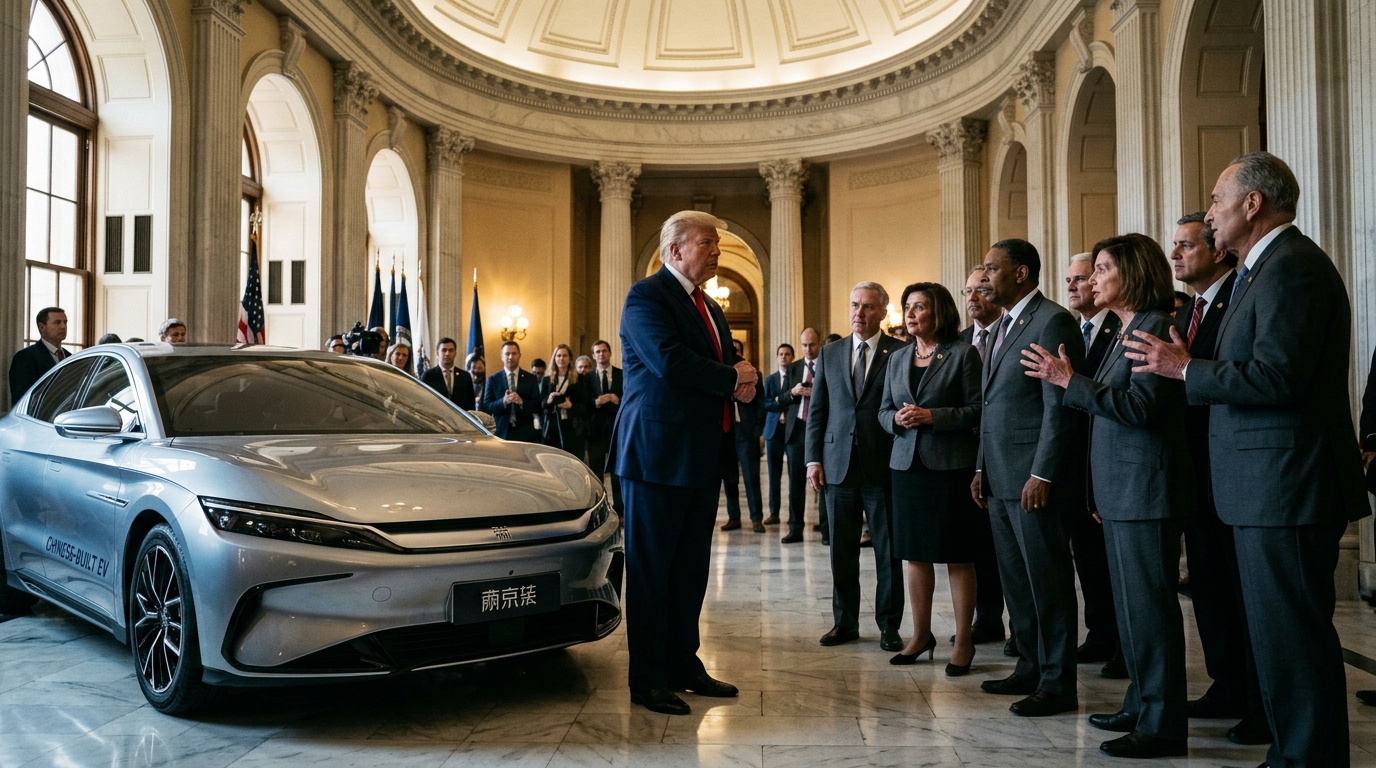
President Donald Trump has said he would accept Chinese automakers building vehicles in the United States. A bipartisan Senate coalition would very much like to make sure that never happens.
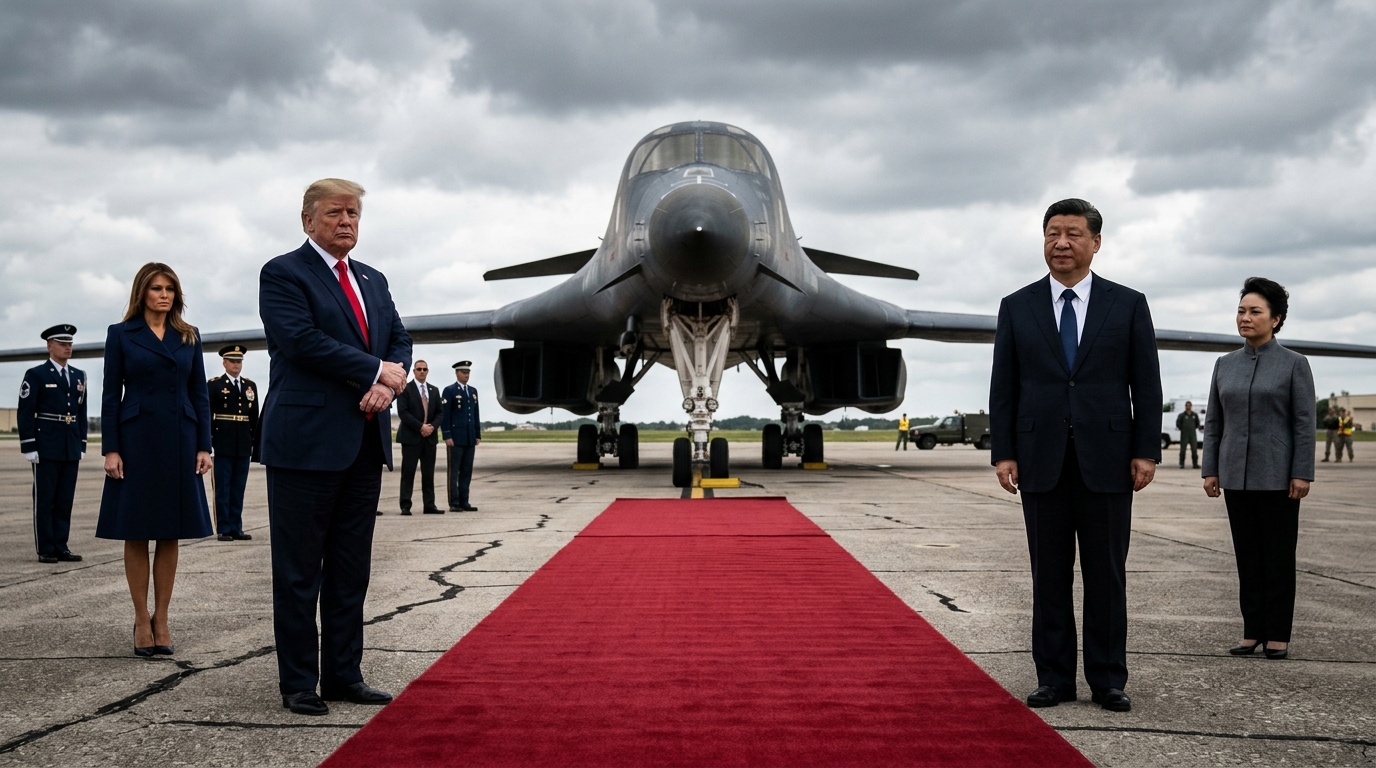
Sens. Bernie Moreno (R-Ohio) and Elissa Slotkin (D-Mich.) are pushing for unanimous Senate approval of the Connected Vehicle Security Act of 2026 this week, right as Trump meets Chinese President Xi Jinping in Washington, according to Reuters. The measure has 51 Senate supporters, while its House counterpart has more than 100 cosponsors. That is a lot of people agreeing on something, which in modern Washington is practically a miracle.
"Whether you are a Democrat or Republican, no one wants Chinese cars in America," Slotkin said Wednesday. She warned that allowing Chinese automakers to establish U.S. factories would represent "the beginning of the end of auto manufacturing in the United States."
The push directly challenges Trump's recent openness to Chinese manufacturing. He said earlier this month that he would be "okay" with Chinese companies building cars domestically if they hired American workers. So the president is fine with Chinese factories as long as the paychecks go to Americans. The Senate, apparently, is not fine with it at all.
The Security Rules Already on the Books
The Senate Commerce Committee unanimously advanced the Moreno-Slotkin bill in July. Senate records show lawmakers placed it on the legislative calendar for this week, positioning it for floor action. Moreno intends to seek unanimous consent, although Reuters notes that several Republican senators have raised concerns and could object. Unanimous consent, as anyone who has watched the Senate knows, is a fancy way of saying "unless one person feels like ruining everyone's afternoon."
The legislation would codify and strengthen Commerce Department rules that took effect in 2025. Those rules prohibit certain vehicle-connectivity and automated-driving hardware and software linked to China or Russia and effectively prevent Chinese automakers from selling or manufacturing connected passenger vehicles in the U.S. Commerce cited risks involving sensitive data, espionage and remote manipulation. In other words, the concern is not just about who builds the car, but about what the car can see, hear and phone home about.
Automakers Want the Door Shut
Major automakers are pushing Congress in the same direction. Six industry groups representing companies including General Motors Co. (NYSE: GM), Ford (NYSE: F), Tesla Inc. (NASDAQ: TSLA), Toyota Motor Corp. (NYSE: TM), Volkswagen AG (OTC: VWAGY), Hyundai Motor Co. Ltd. (OTC: HYMLF) and Stellantis NV (NYSE: STLA) urged Trump last Friday to keep the door "firmly shut" to Chinese automakers seeking to sell, import or manufacture vehicles in the U.S.
The groups argued Chinese investment could shift jobs away from companies that have made "generational investments in the US" rather than create additional employment. That is a polite way of saying: we spent decades building plants here, and we would prefer the new guys not get a ribbon-cutting ceremony for doing the same thing with a different flag on the letterhead.
The proposed law would codify the restrictions and limit the executive branch's ability to exempt covered vehicles and technologies linked to countries such as China and other adversaries. It also allows the Commerce secretary to authorize otherwise prohibited transactions under strict national-security criteria and subject to congressional review. Translation: the White House would not get to wave a magic wand and let a Chinese automaker set up shop in Ohio without Congress getting a look first.
Slotkin has pressed the issue for months, previously warning that Chinese-connected cars could collect mapping, video and location data. China, meanwhile, has opposed U.S. restrictions on its auto industry. So both sides are unhappy, which is usually the sign of a genuinely thorny policy fight rather than a photo op.
For investors, the stakes are straightforward enough. If the bill becomes law, the U.S. market stays effectively closed to Chinese-branded connected vehicles, and the legacy automakers listed above keep their home-field advantage. If Trump's openness wins out instead, the calculus changes in a hurry. Either way, the Senate floor this week is where the next chapter gets written.