President Donald Trump's energy adviser, Jarrod Agen, says the recent spike in fuel prices isn't really about a lack of oil. It's about what happens after the oil gets pumped out of the ground.
Speaking at an Axios House event on Tuesday, Agen pointed to strained refining capacity as the main culprit behind the price pressure, compounded by supply disruptions in the Strait of Hormuz. He underscored the administration's commitment to making gasoline affordable, and backed the President's stance on Iran, reiterating that Trump's long-term objective is to prevent Iran from acquiring nuclear capabilities, a goal he deems worth the current price pain.
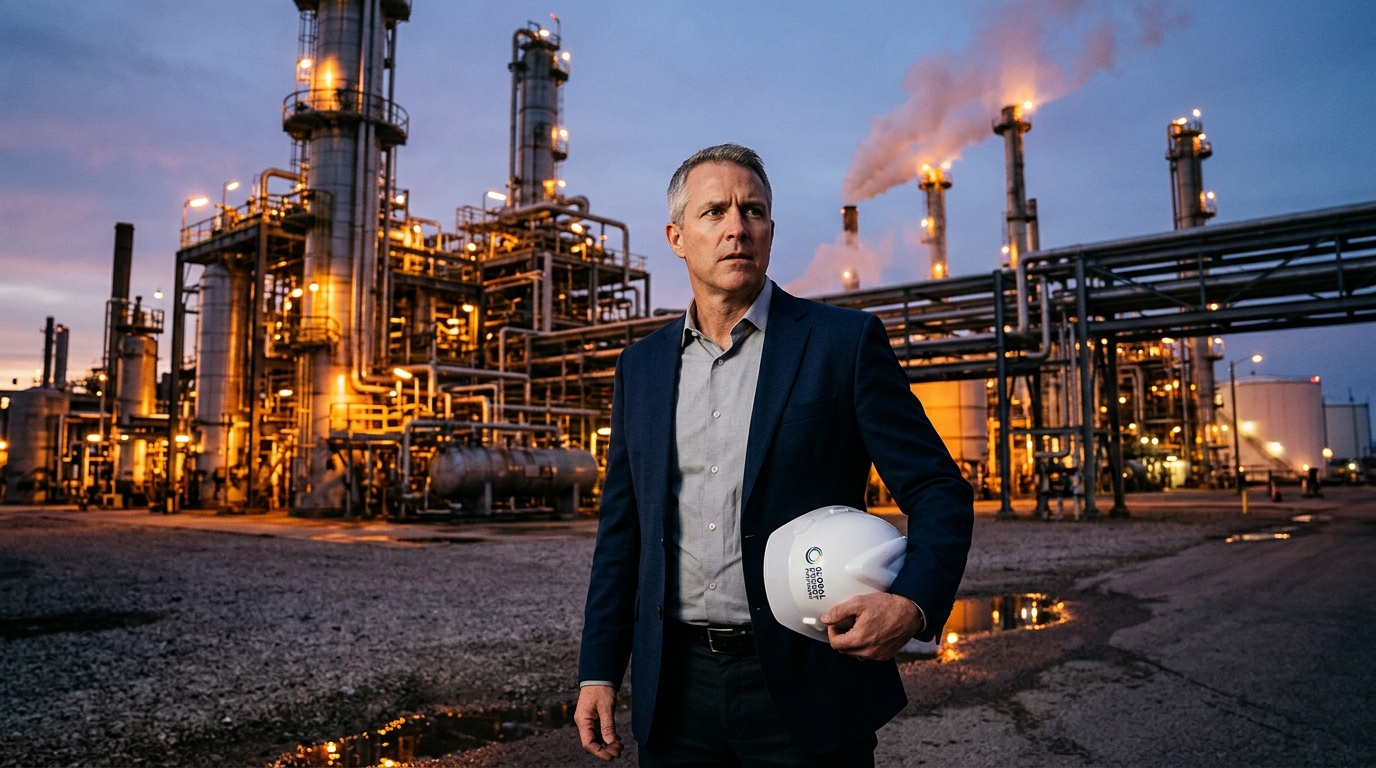
The crude is there, Agen said. The problem is turning it into the stuff that actually goes in your tank. "If you look at refining capacity, Russia, for example, it's down 30, 40% China is not at their capacity," he said, noting the bottleneck exists both domestically and internationally.
So what's the fix? Agen hinted at potential relief through the Defense Production Act (DPA) and infrastructure projects to "attack" the refining issue. It wouldn't be the first time. In April, Trump invoked the DPA to direct federal funding toward domestic coal power, LNG, petroleum refining and power-grid infrastructure, citing their importance to national defense.
Then on Monday, five presidential determinations were signed allowing the Energy Department to use funds secured under Trump's 2025 tax-and-spending law to address financing gaps, regulatory delays and other barriers. That move could benefit coal plants, refineries, gas-turbine manufacturers and transformer makers.