Sen. Rand Paul (R-Ky.) has a message for anyone who thinks a $5,000 check from the government is free money: it isn't, and you're already paying for it.
On Monday, Paul took to X to criticize President Donald Trump's proposed $5,000 payments, arguing that the national debt is already squeezing Americans through reduced purchasing power.
"Inflation is not some abstract number," he wrote. "It is why your paycheck buys about 25% less than it did 5 years ago."
He added, "The national debt drives inflation. Piling on more debt for a one-time $5,000 check does not fix the affordability crisis. It makes it worse."
The Math Doesn't Add Up
In a Fox News interview, Paul also questioned whether tariff revenue could cover the proposed payments.
"You know, I can't imagine giving out money when you're running a deficit," Paul said.
He estimated annual tariff revenue at roughly $100 billion to $150 billion, compared with about $1.3 trillion needed to provide $5,000 to every adult.
Paul said the U.S. government spends about $7.5 trillion annually while collecting roughly $5.5 trillion, creating what he described as a $2 trillion mismatch.
"The debt is very important," Paul said. "Every day you're being hurt by it because it's stealing the value of your paycheck."
He argued that inflation had risen about 20% over four years before slowing to roughly 3% to 3.5%, noting that previous price increases had not been reversed.
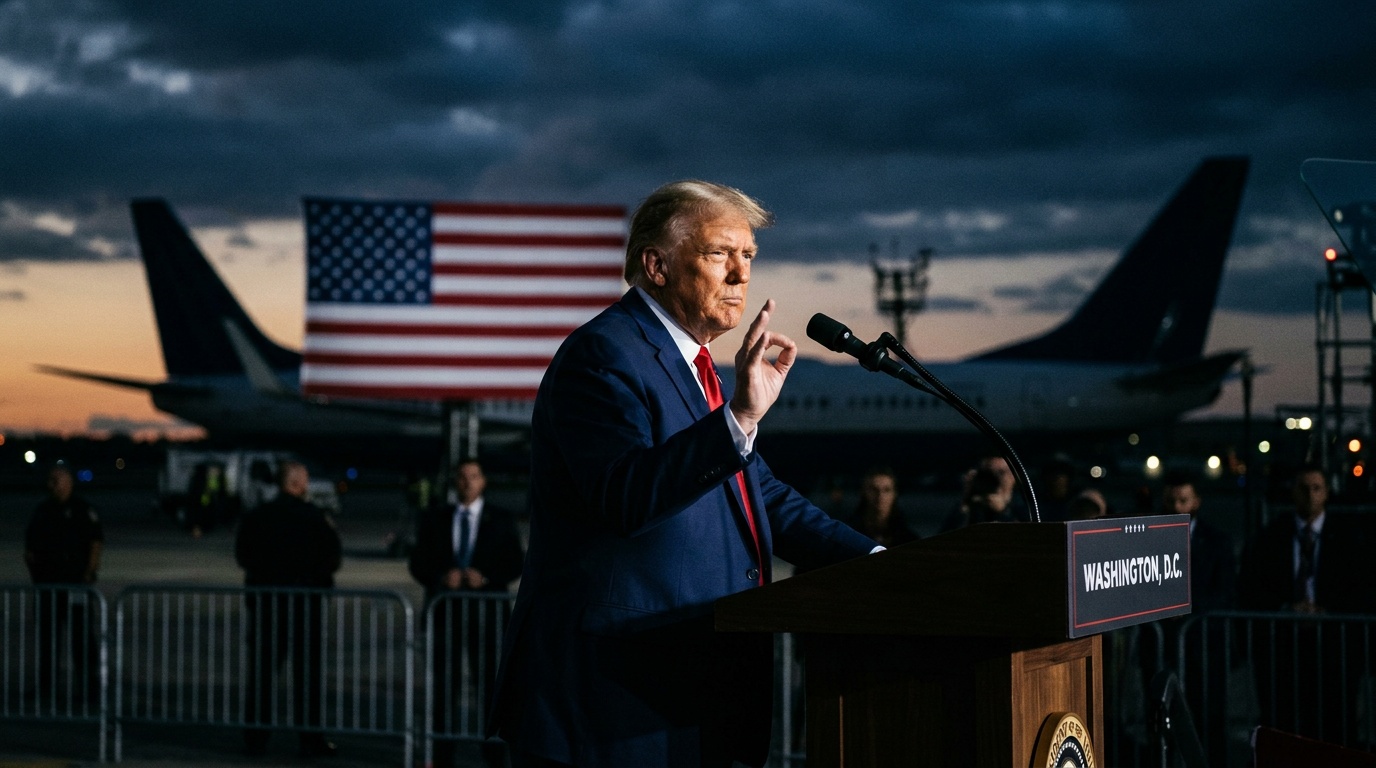
Trump's $5,000 Dividend Faced Criticism
Last week, Trump's proposed $5,000 "dividend" for U.S. adults faced questions over how the roughly $1.2 trillion payout would be financed.
Trump said the dividend "will happen" if Republicans retained control of Congress, while economist Peter Schiff questioned the proposal by pointing to the rising national debt.
Gov. Gavin Newsom (D-Calif.) also criticized Trump's proposed dividend, arguing that Americans should first be reimbursed for more than $108 billion in additional gasoline and diesel costs that he attributed to the Iran conflict.
Disclaimer: This content was partially produced with the help of AI tools and was reviewed and published by MarketDash editors.