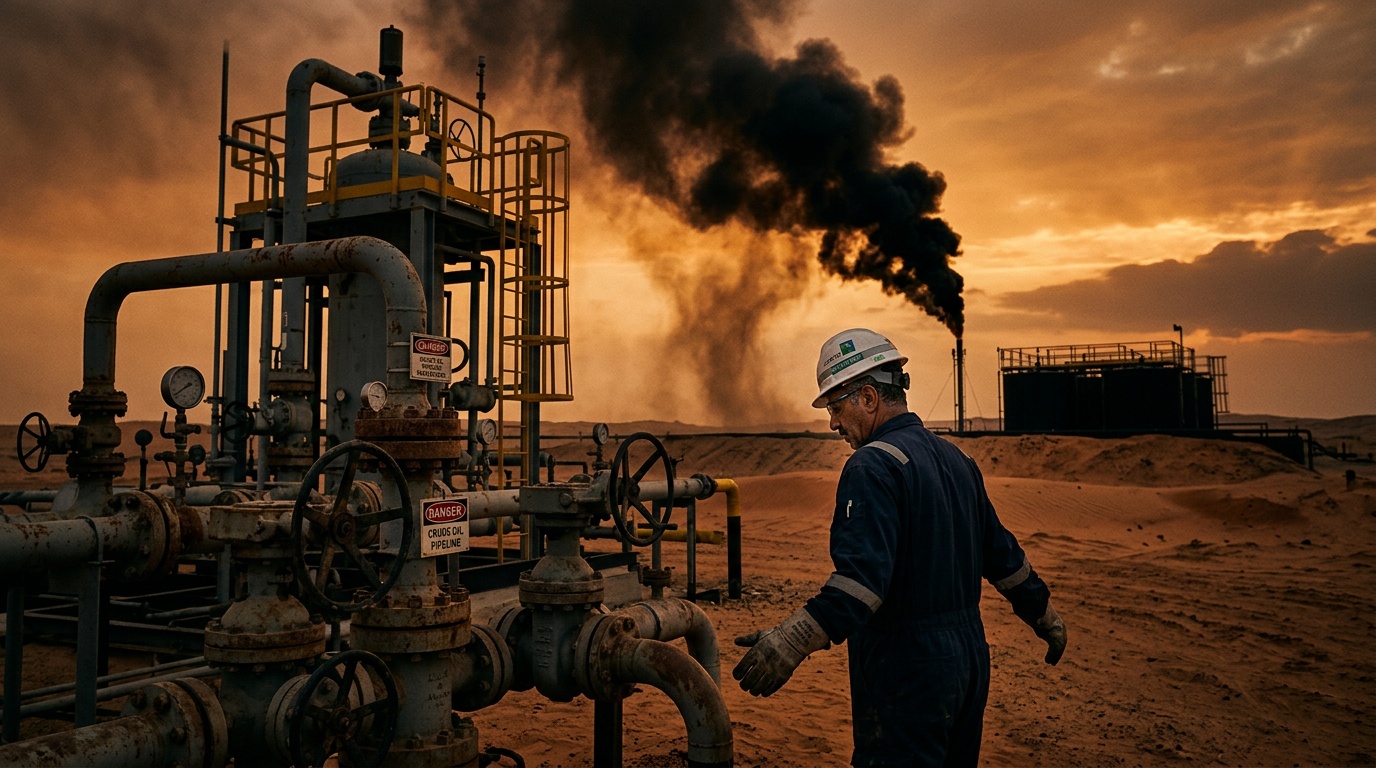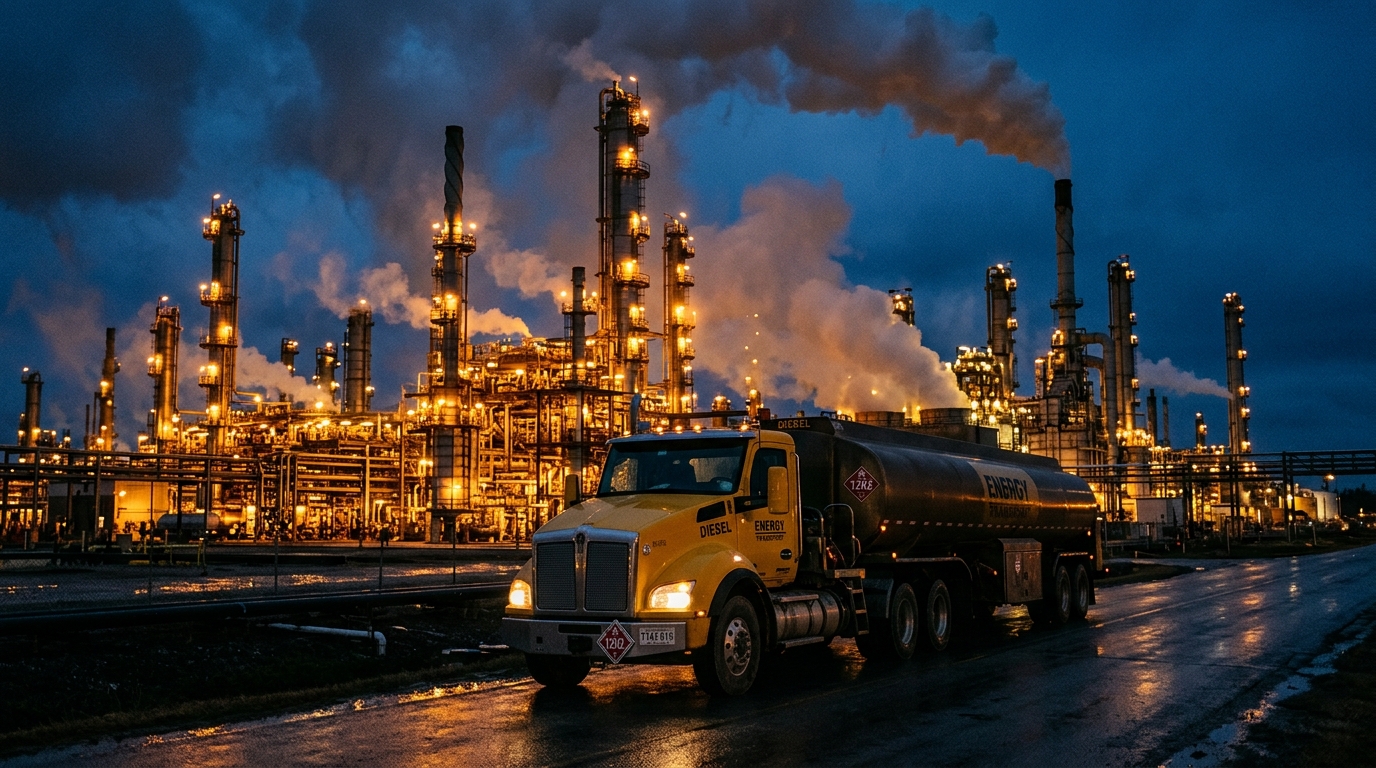
West Texas Intermediate crude futures surged 5.1% to $106.53 a barrel Tuesday afternoon, the highest level since early May.
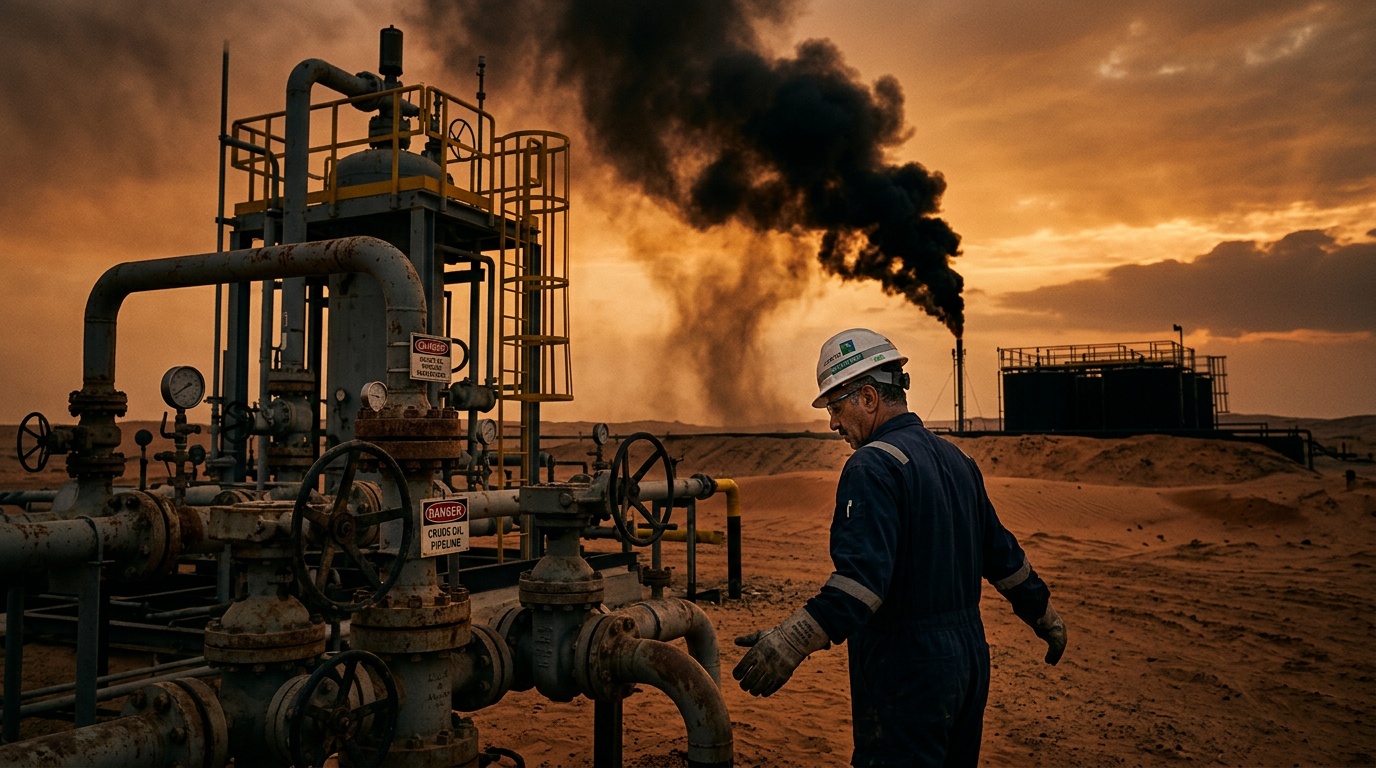
The reason is simple enough: Saudi Arabia's East-West pipeline remains shut, and Saudi Aramco has begun canceling or delaying crude deliveries to European refiners. When the world's swing producer starts telling refiners their barrels aren't coming, prices tend to notice.
Energy Secretary Chris Wright told CNBC the restart "will be measured in days." That's the reassuring version. The market, as markets do, is trading the version where "days" is a hope rather than a schedule.
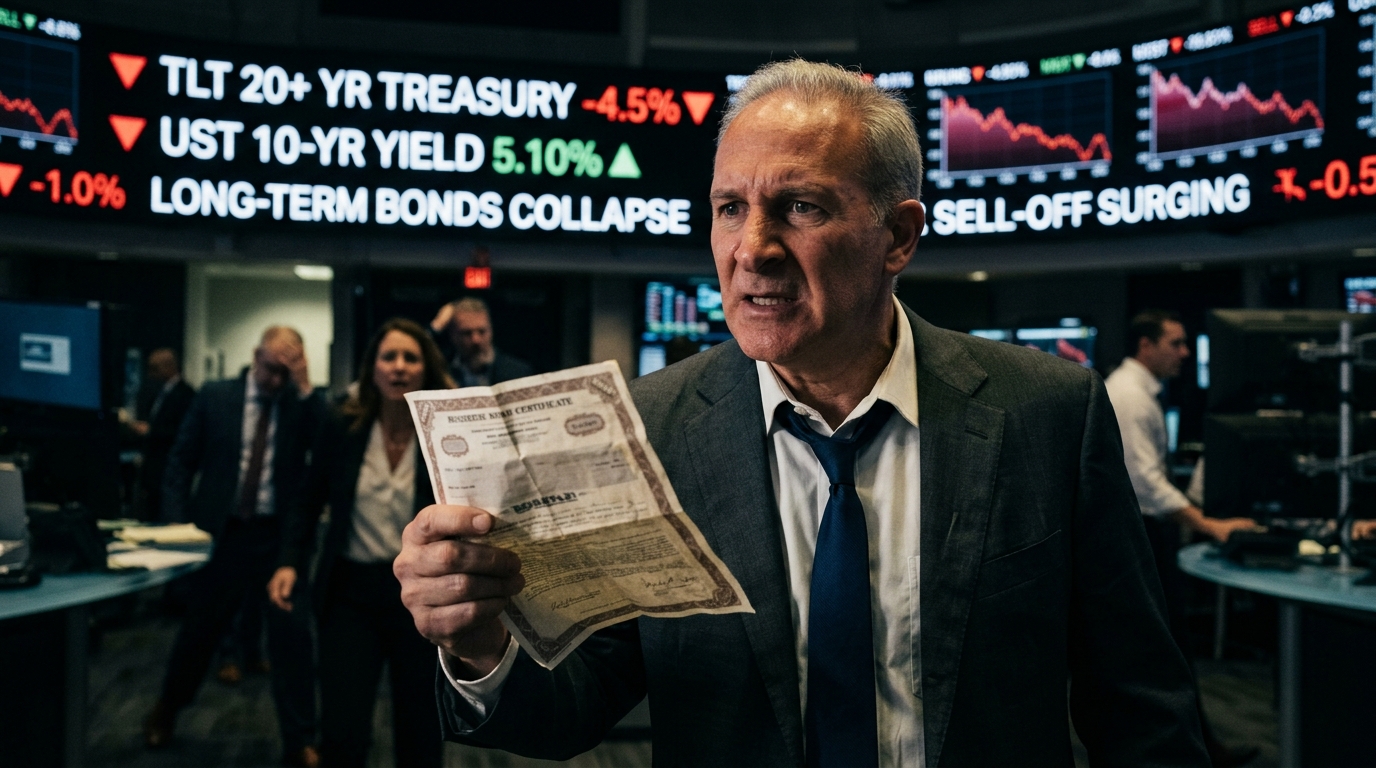
And the move is bleeding straight into rates. The 10-year Treasury yield punched through 5% for the first time since July 2007 as the crude rally reloads the inflation trade, with markets pricing roughly a 92% chance the Federal Reserve hikes 25 basis points on Wednesday. Higher oil, higher inflation expectations, higher yields. The chain is not subtle.
Energy equities are the only green on the board. The SPDR S&P Oil & Gas Exploration & Production ETF (NYSE:XOP) rose 2.9%, the VanEck Oil Services ETF (NYSE:OIH) added 1.9% and the United States Oil Fund (NYSE:USO) tracked crude higher. WTI is now up more than 80% year-to-date.
So the trade for the past several months has been: own the stuff that comes out of the ground, avoid the stuff that gets priced off a 5% risk-free rate. Tuesday was that trade in its purest form.