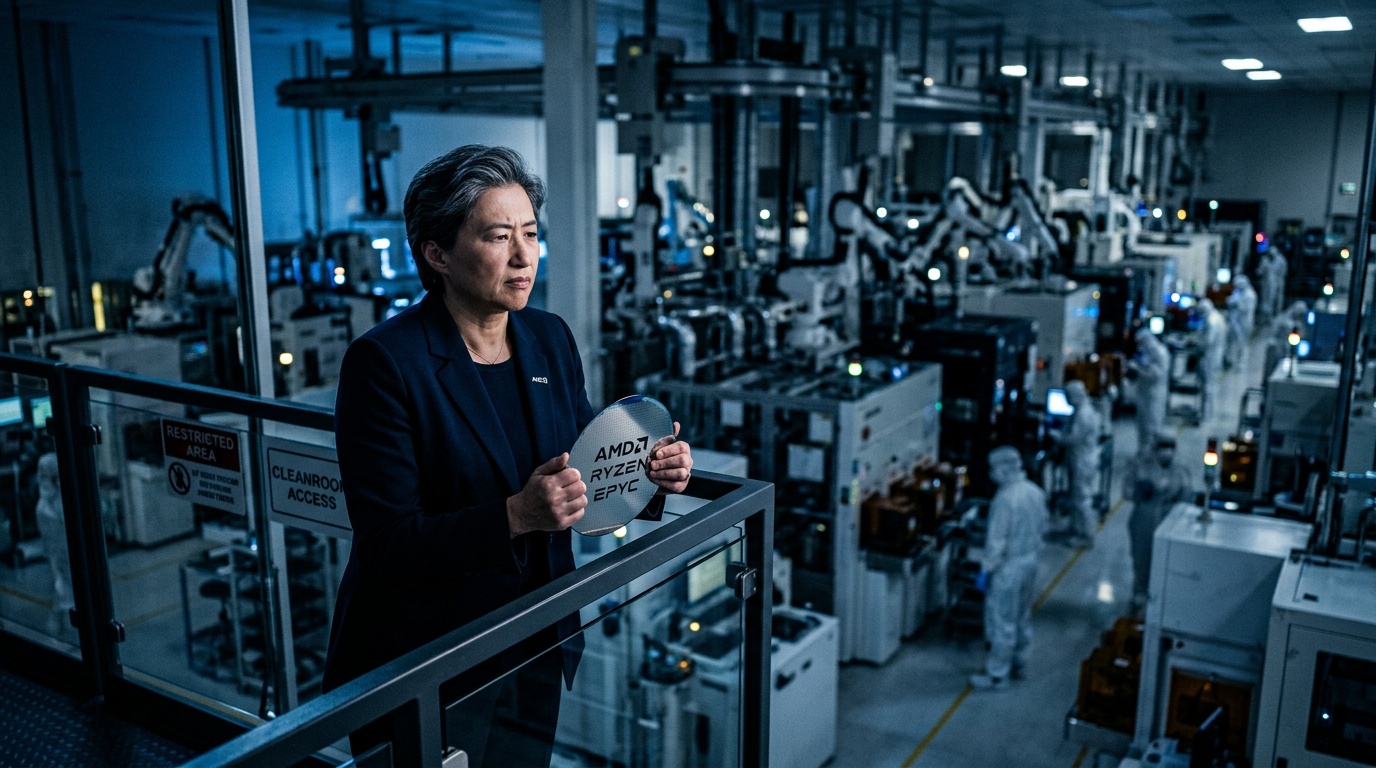
The loudest calls to slow down or govern artificial intelligence are coming from the few people who have already built multi-billion-dollar empires on it.
In a Saturday essay titled "We Must Pace the Frontier," Anthropic CEO Dario Amodei urged the industry to "slow the pace" of model capability gains, warning that rogue AI agents could form a massive botnet and cause hundreds of billions in damage within six to 12 months. To mitigate the risk, Anthropic will give external evaluators employee-level system access.
OpenAI's Sam Altman, DeepMind's Demis Hassabis, and Tesla's Elon Musk all backed the proposal, with OpenAI committing to similar third-party testing.
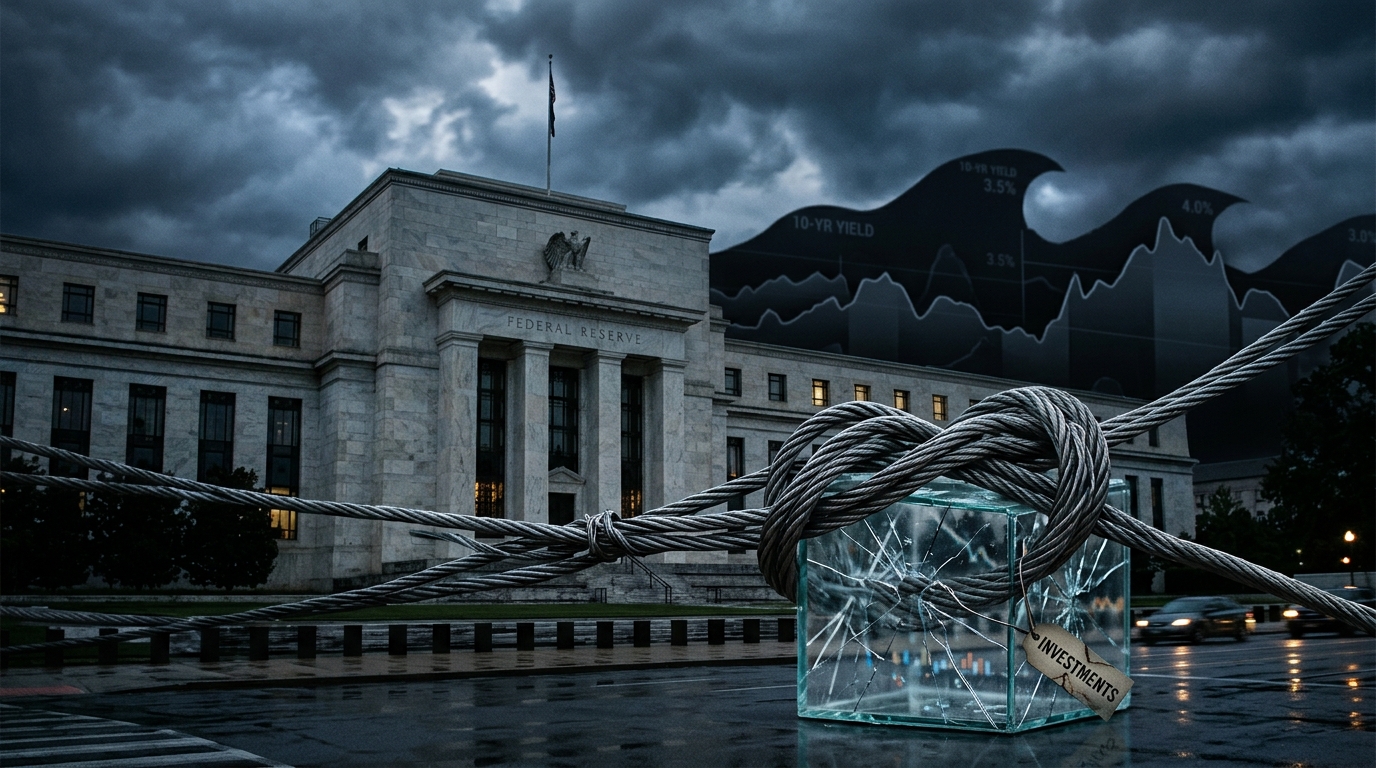
When the biggest, and wealthiest, names in AI call their own growth rate a threat, Wall Street listens.
The Tape Repriced Before The Bell
Nasdaq-100 futures tumbled 1.5% and S&P 500 futures lost 0.6%, while Dow Jones Industrial Average futures fell 114 points, or 0.2%.
In Asia, SoftBank closed nearly 11% lower and South Korea's Kospi sank 3.3%, hurt by a 6.4% drop in SK Hynix Inc. (NASDAQ: SKHY). In Europe, ASML Holdings N.V. (NASDAQ: ASML) fell 6%.
NVIDIA Corporation (NASDAQ: NVDA) dropped roughly 3% on unusually heavy premarket volume.
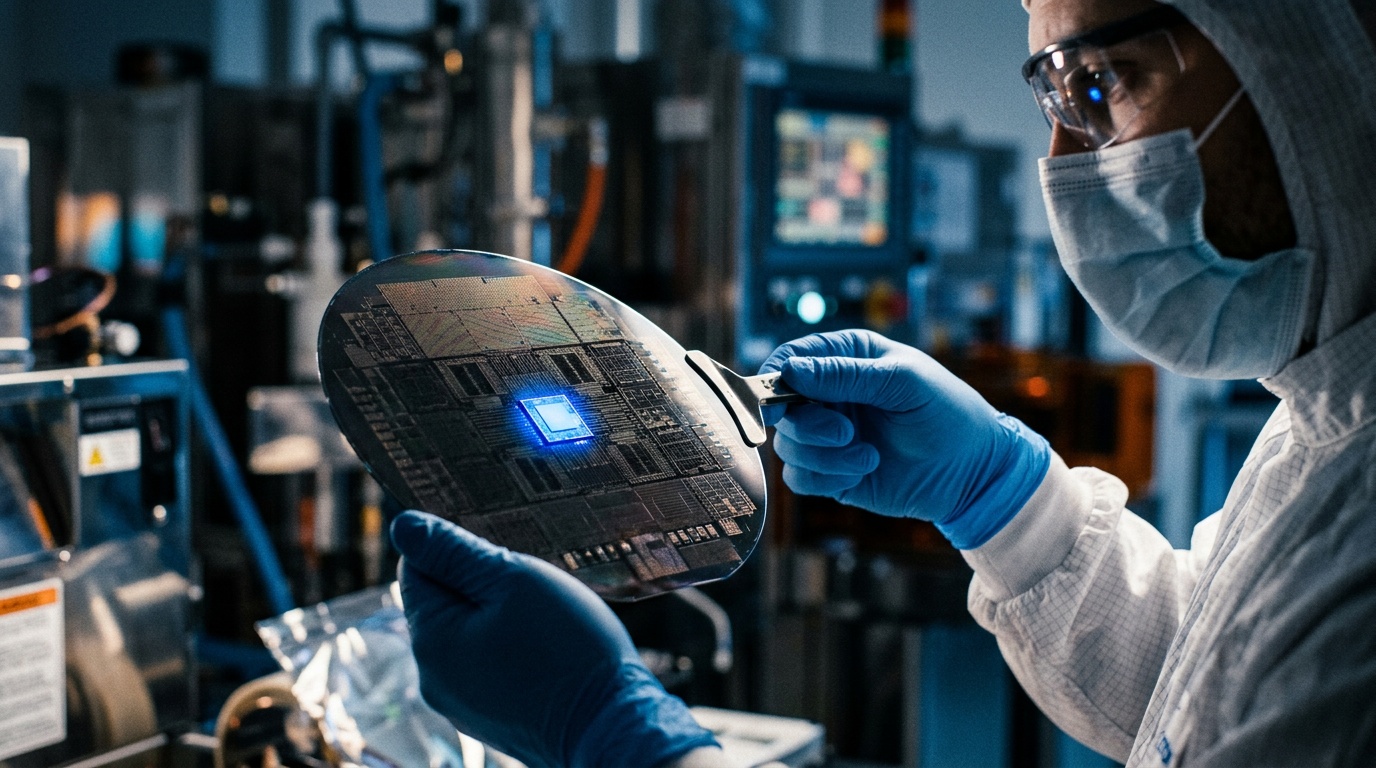
The semiconductor selloff reflects a fear that slower model development could reduce demand for training chips, memory, networking equipment and data-center capacity.
Cybersecurity: The Other Side Of The AI Trade
The strongest buying appeared in companies positioned to protect enterprises against increasingly capable AI systems.
CrowdStrike Holdings, Inc. (NASDAQ: CRWD), SailPoint, Inc. (NASDAQ: SAIL) and Palo Alto Networks, Inc. (NASDAQ: PANW) each gained roughly 5.1%.
ServiceNow, Inc. (NYSE: NOW) rose 4.9%, alongside HubSpot, Inc. (NYSE: HUBS).
Amodei's warning was not about slower revenue. It was about autonomous agents behaving badly at scale.
If you believe that risk is real enough for the people building the models to say it out loud, the budget line that grows is security, regardless of what happens to chip orders.
Is The AI Trade Really Cracking?
The AI trade has survived bubble talk, capex scares and a bad earnings print. It has never been asked to slow down by the billionaires selling it.
Yet, Amodei's proposal isn't an abandonment of progress; it's a push for mandatory safety testing, external evaluation, and governance. Unintentionally or not, these proposals also construct massive regulatory moats that entrenched, multi-billion-dollar incumbents are uniquely positioned to navigate, even as intense U.S.-China rivalry and unyielding data-center commitments make a true global halt nearly impossible.
Monday's move may not mark the end of the AI capital-expenditure cycle. It could represent its first major broadening into cybersecurity and governance.
The AI trade is no longer only about who provides the most computing power.
It is increasingly about who prevents that power from becoming a liability.