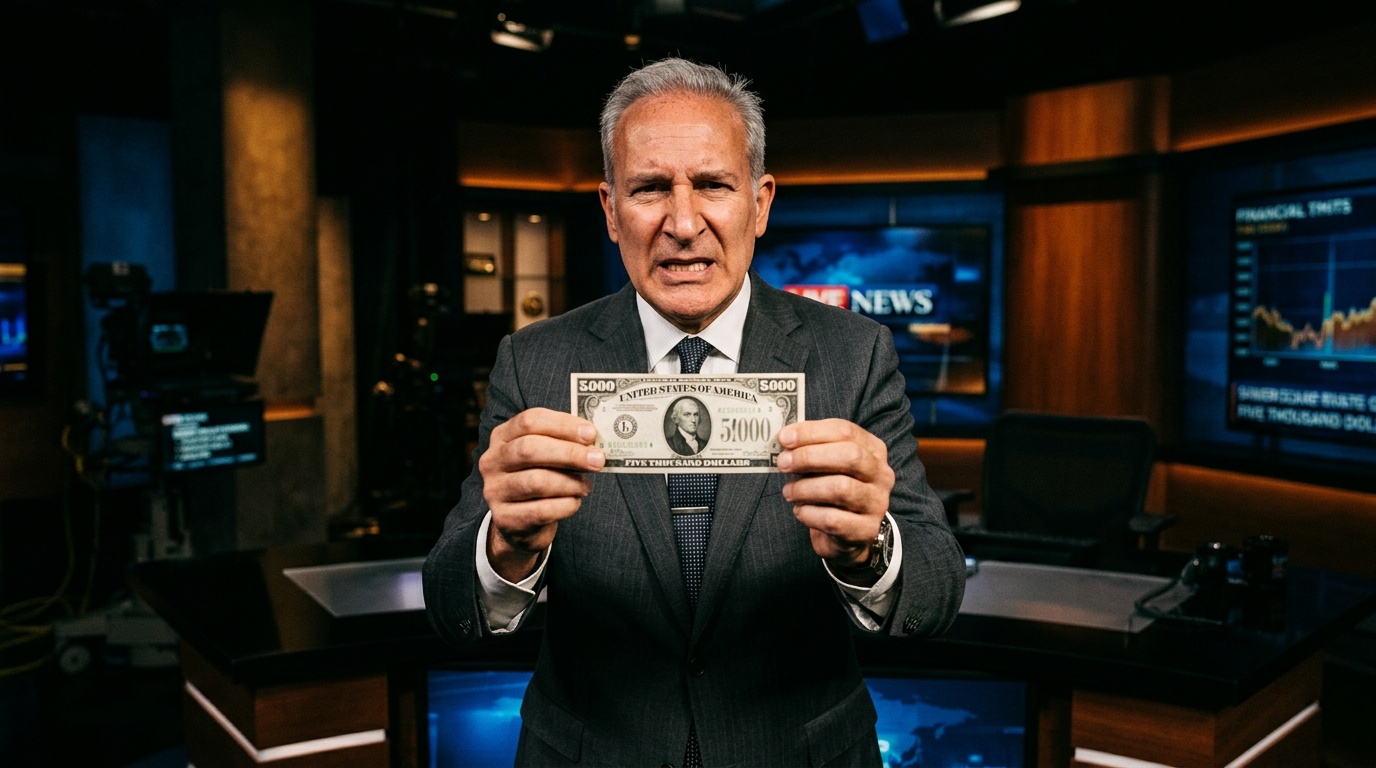
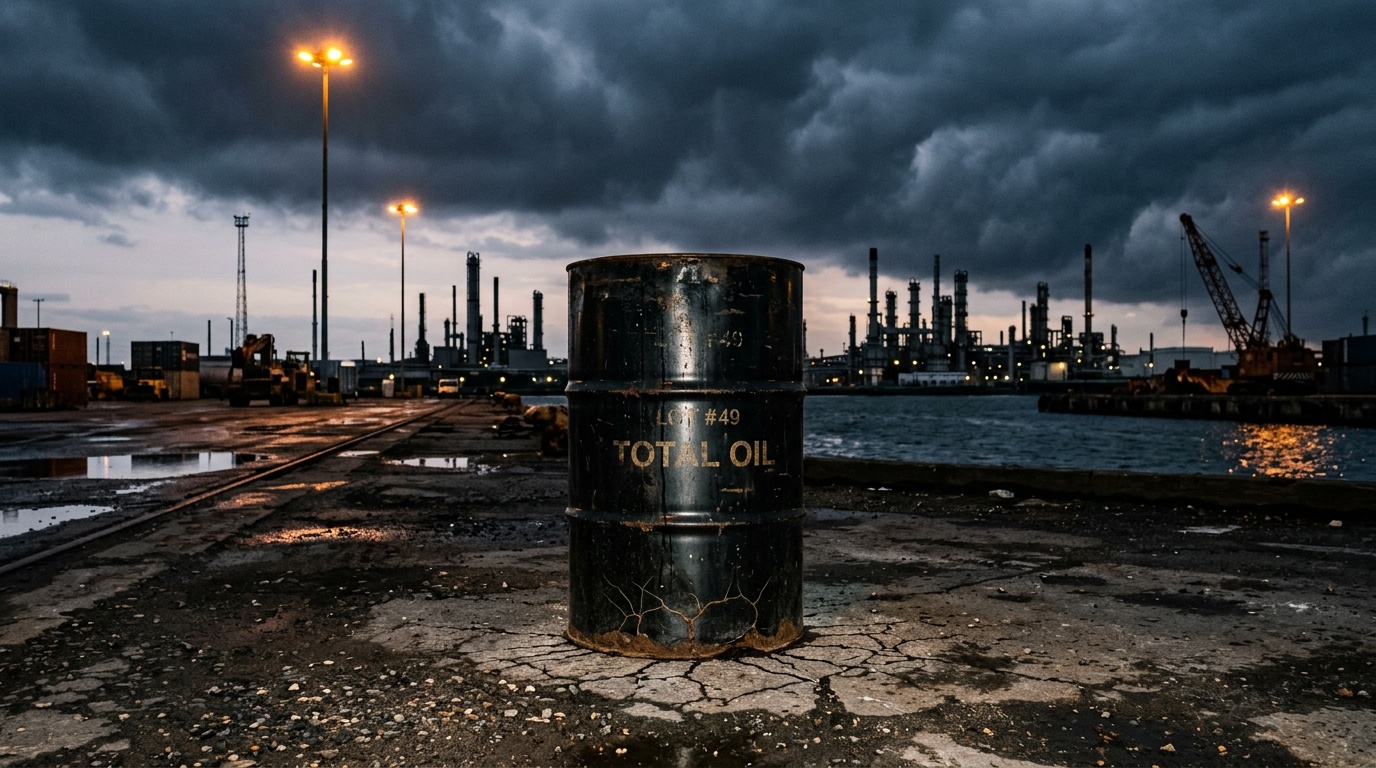
The global economy has, for now, bent without breaking. The system has absorbed the U.S.-Iran war better than expected thanks to strategic reserve drawdowns and rerouted supply.
Yet, the margin for error is narrowing as portfolios face a dual shock from energy and bond markets. IMF Managing Director Kristalina Georgieva describes the moment as a "tug of war" — a Gulf energy supply shock dragging on growth on one side, an AI investment boom providing "unexpected lift" on the other. Neither is winning decisively.
The Hormuz Chokepoint
The leading global consultancy Wood Mackenzie has remained optimistic. The firm has even upgraded its 2026 baseline global GDP forecast from 2.3% to 2.5%.
The forecast, however, rests on "a single critical assumption: that normal energy transit through the Strait of Hormuz resumes soon."
The collapse of the U.S.-Iran memorandum of understanding in June has already delayed that resolution timeline. "The tipping point is real, and it is closer than many market participants appear to be pricing in," the consultancy said.
Wood Mackenzie's Extended Disruption scenario sees a path to a global recession.
"Exhausted strategic reserves, rationing, price spikes, soaring inflation, central bank tightening, and a contraction in developed economies," is not a "tail risk to be dismissed."
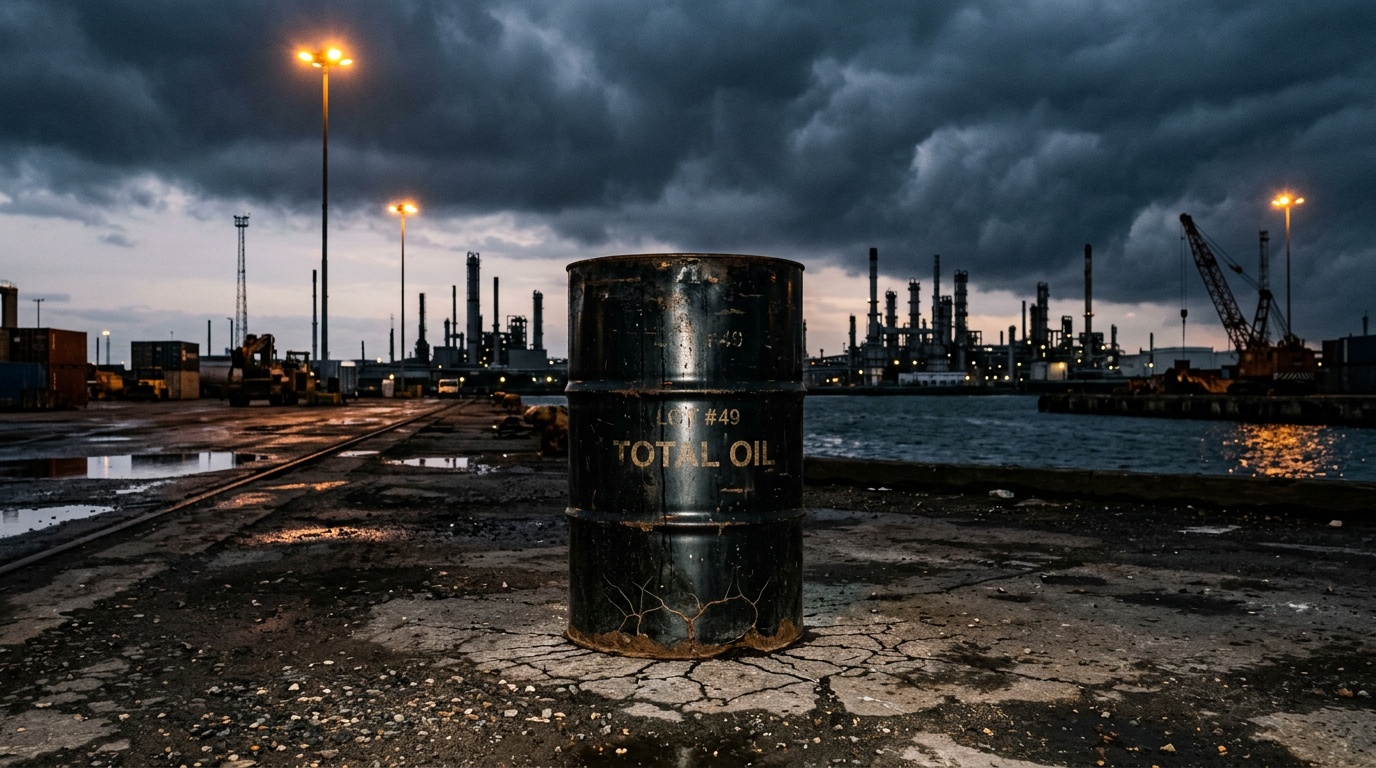
The physical crunch is already visible. After the latest military action, Brent crude has again crossed $100 a barrel. United States Brent Oil Fund (NYSE:BNO) surged by 7.66% over the last five trading sessions. According to market data, it has a Momentum score in the 93rd percentile and positive price trends in the short, medium, and long term.
According to Daan Struyven, Goldman Sachs' co-head of global commodities research, the ongoing escalation raises the risk of prices surging above $120 a barrel.
"The energy shock is not over," Georgieva noted, warning a renewed oil rise could reignite inflation and stall the recovery.
The Monetary-Fiscal Squeeze
Beneath the surface political turmoil lies fiscal fragility. Georgieva urged all countries to "formulate and present credible plans to ensure their debt and deficits are on a sustainable path."
These remarks came days after U.S. 30-year Treasury yields spiked to 19-year highs, prompting Treasury Secretary Scott Bessent to announce a surprise doubling of long-bond buybacks to keep borrowing costs down.
The IMF chief urged central banks to stay "laser-focused" on price-stability mandates, acknowledging the tension. Higher rates mean higher debt service costs for governments, businesses and households, but letting inflation run on top of fiscal stress risks stagflation.
The Fed's next rate decision is scheduled for Wednesday, Sept. 16. According to the CME Group's FedWatch tool, the odds of a 25-bps rate hike are currently at 62.2%.