For decades, crude oil defined geopolitics and natural resource competition.
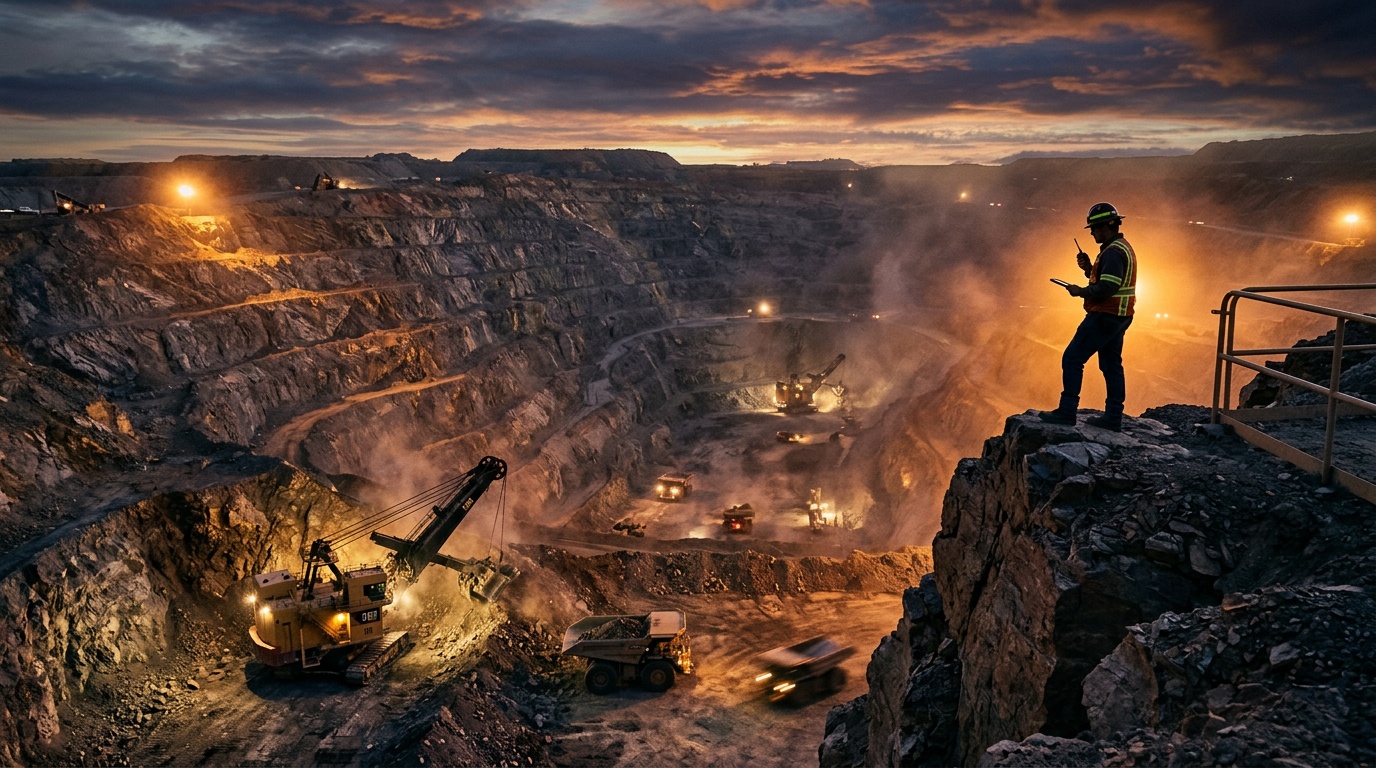
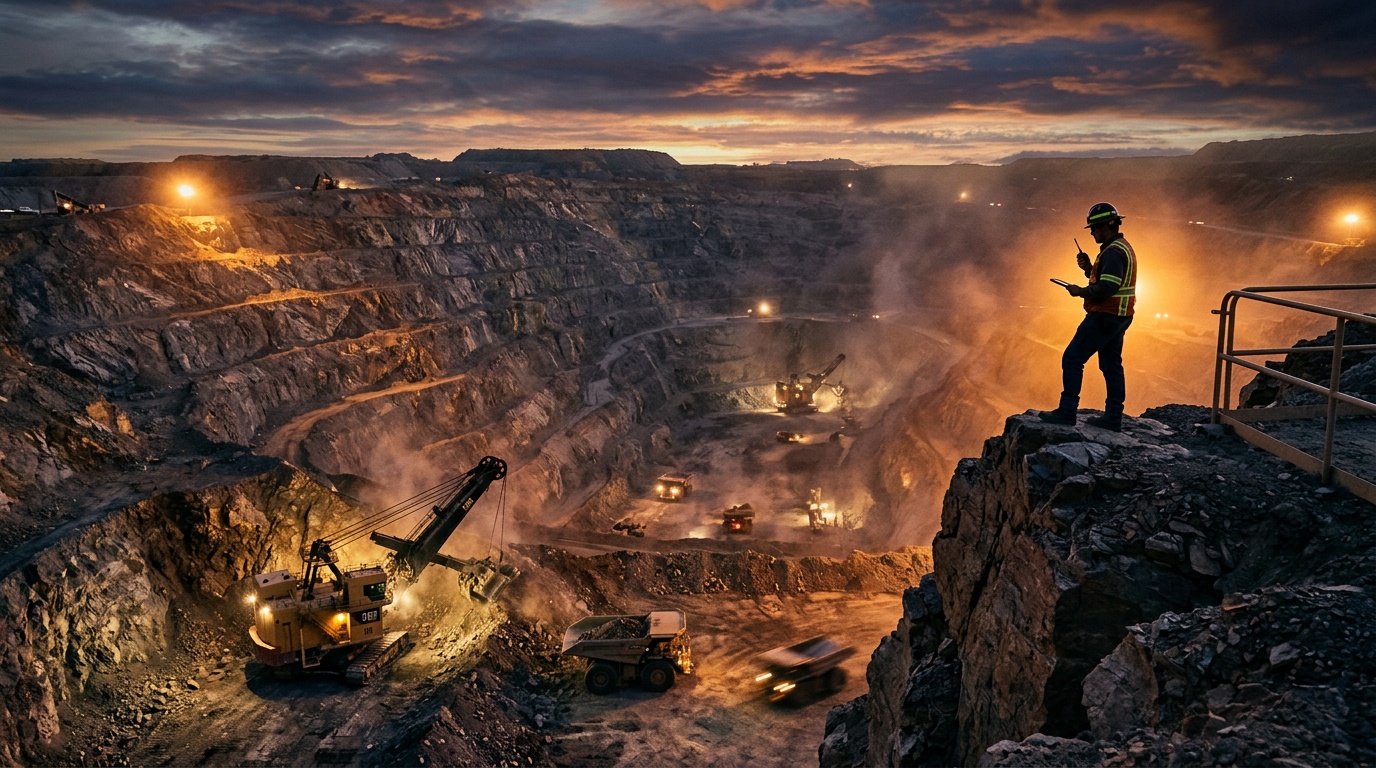
Today, critical minerals and rare earth elements (REEs) are increasingly at the center of geopolitical balancing. Nickel, copper, lithium and rare-earth oxides power everything from fighter jets to electric-vehicle motors to AI data centers, making them a national security imperative.
Canada, for example, is no longer treating its strategic resources as an asset to freely share with the United States, threatening to halt exports amid its bitter trade war with the world's largest economy. Some Chinese rare earth suppliers are declining to ship to the U.S. for fear of repercussions from Beijing, Reuters reported on Friday, citing three sources it did not identify.
These strategic resources and REEs have become the latest flashpoint in a global scramble to protect supply chains from what Washington views as predatory trade practices. China controls 60% to over 90% of global critical mineral processing, depending on the mineral and stage of the supply chain.
"Whoever controls the raw materials is going to control the future of strategic technologies across the board," Gracelin Baskaran, Director, Critical Minerals Security Program, Center for Strategic and International Studies, said on Wednesday at a U.S. House Committee on Ways & Means hearing. "Raw materials directly impact every part of our national economic and energy security."
Congressional Hearing
Experts at the hearing on Wednesday called on Washington to strengthen its trade relationships in order to break China's grip on key minerals. The meeting addressed how to improve the nation's strategic partnerships to secure critical resources and supply chains.
Baskaran pointed to the important role these resources play in "our ability to build grids for affordable energy for Americans, or the future of American economic competitiveness through things like semiconductors."
"Critical minerals are an industry that can take 25 years to develop a project, and China has the benefit of not having to yield to electoral outcomes every four years," Baskaran said. "We need to develop policy on longer horizons so our investors can develop projects with confidence."
Under the Trump administration, the United States plans to deploy hundreds of billions of dollars in capital, between debt and equity, into the mining sector, according to David Copley, Senior Director at the National Security Council (NSC). President Donald Trump launched the $12 billion Project Vault to stockpile essential minerals on February 2.
Washington has begun backing price floors, offtake guarantees, and stockpiling efforts with companies like MP Materials Corp. (MP) and Energy Fuels Inc. (UUUU). This week, USA Rare Earth Inc. (USAR) completed its long-pending $2.8 billion acquisition of Serra Verde Group, the Brazilian company that owns the Pela Ema mine in Goiás.
The deal creates "a global rare earths leader and a partner of choice for the supply of advanced materials and products that underpin Western national security and technological innovation," the company said on Friday.
Trade War Fallout
When trade talks between Washington and Ottawa collapsed in late August, Trump moved to raise tariffs on Canadian autos, trucks, and steel to 50% starting January 2027. Prime Minister Mark Carney responded by promising to match the tariffs "dollar for dollar."
Carney signaled he was losing interest and patience in cooperating with the U.S. on strategic minerals, POLITICO reported on Saturday. He said he would continue pursuing deals elsewhere, suggesting Washington had squandered an opportunity to cooperate with Canada.
"That is something that is a missed opportunity as a consequence of what's happened, but we didn't cause it to happen," Carney said when asked about the role of critical minerals at his August 22 press conference. That was the morning after he called his negotiators back to Ottawa.
Ontario Premier Doug Ford raised the stakes furthest, threatening to cut off key mineral exports to the United States in response to the tariff spat. Canada supplies roughly 43% of the nickel the U.S. imports, along with the vast majority of U.S. copper ore imports and nearly 60% of refined zinc imports.
China Dominates Global Market
Washington views Canada's stockpiles as a bulwark against Chinese dominance of the global market in critical minerals. China controls roughly 91% of global rare-earth refining and 94% of finished magnet production, according to the International Energy Agency.
That dominance is now being weaponized more directly. Reuters reported that several Chinese rare-earth producers have quietly halted shipments to the U.S., fearing retaliation from Beijing after China placed a Western industry compliance group on its sanctions list.
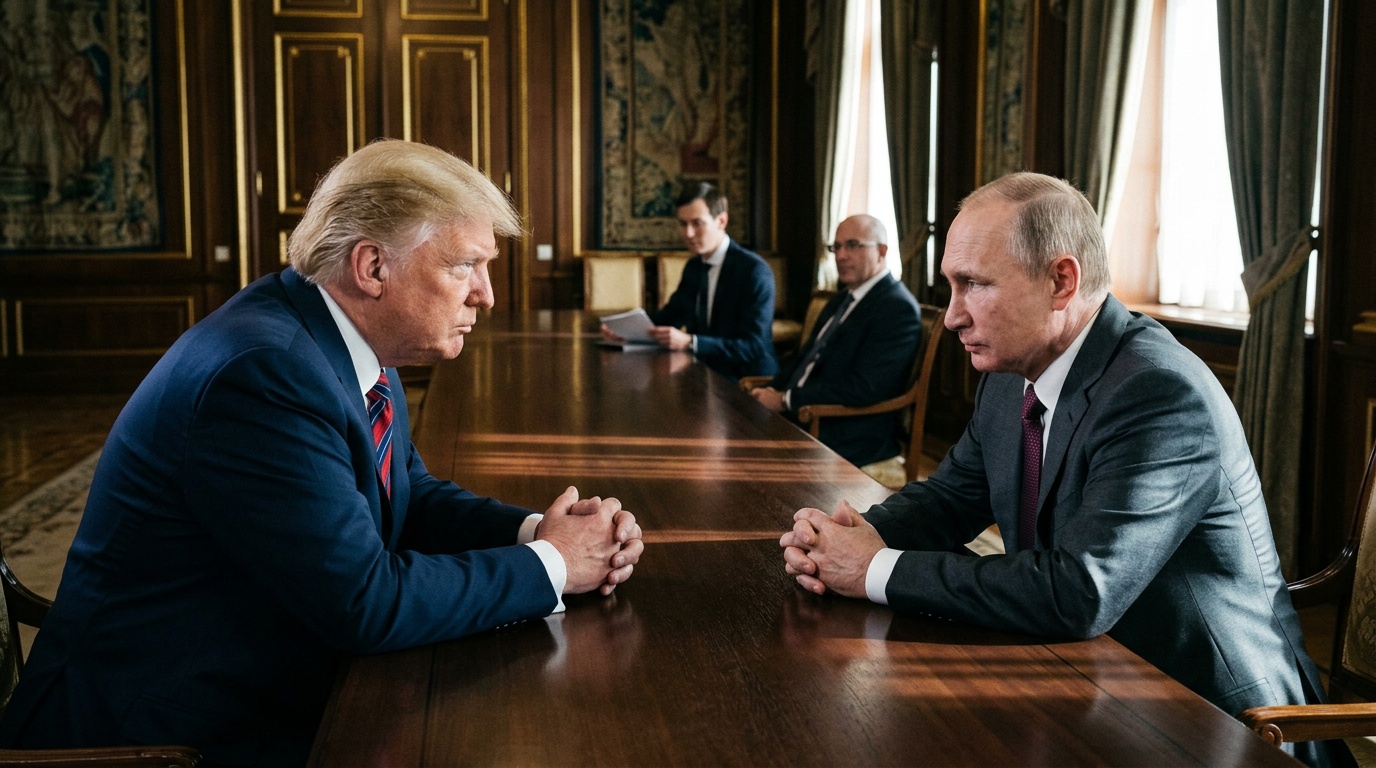
This is a reminder that Beijing is willing to use its mineral chokehold as a pressure tactic ahead of high-stakes diplomacy. The IEA estimates that a full rollout of China's export controls could threaten roughly $6.5 trillion in downstream global production annually.
"The principal challenge we have today is not whether critical mineral supply chains are political," Baskaran said. "We are not competing on a level playing field. China combined its foreign policy to secure minerals from around the world with a domestic industrial strategy to process them at home. We need to support processing hubs around the world. We can't build everything here."
Any escalation in Canada's tariff fight or China's export controls could ripple through EV supply chains, defense manufacturing and the broader commodities market. That pressure may add fresh volatility to US critical mineral stocks including MP Materials, Energy Fuels and USA Rare Earth.