GoPro, the company that made wearing a camera on your head a thing, is doing something completely different now. It's merging with an optics company to chase AI data center dollars. And yes, the stock is having a moment.
On Tuesday, GoPro (NASDAQ: GPRO) announced a definitive merger agreement with Starman Optical for $285 million. Under the deal, GoPro shareholders will get $1.14 per share, with possible adjustments based on the company's net working capital at closing. GoPro will keep about 10% of the combined company's shares, and it will remain listed on Nasdaq. That's a key point: this isn't a private equity grab; it's a pivot.
The deal also wipes out GoPro's roughly $92 million in outstanding debt, leaving the company with a clean, substantially debt-free balance sheet. That's a big deal for a company that's been struggling to find its footing in a post-action-cam boom world.
The transaction is expected to close by year-end 2026, pending regulatory approvals and stockholder approval. After that, the combined company plans to apply its intellectual property, optics, and imaging expertise across defense, government, robotics, and aerospace. The idea is to ride the wave of demand for U.S.-manufactured solutions, which is a nice tailwind in today's geopolitical climate.
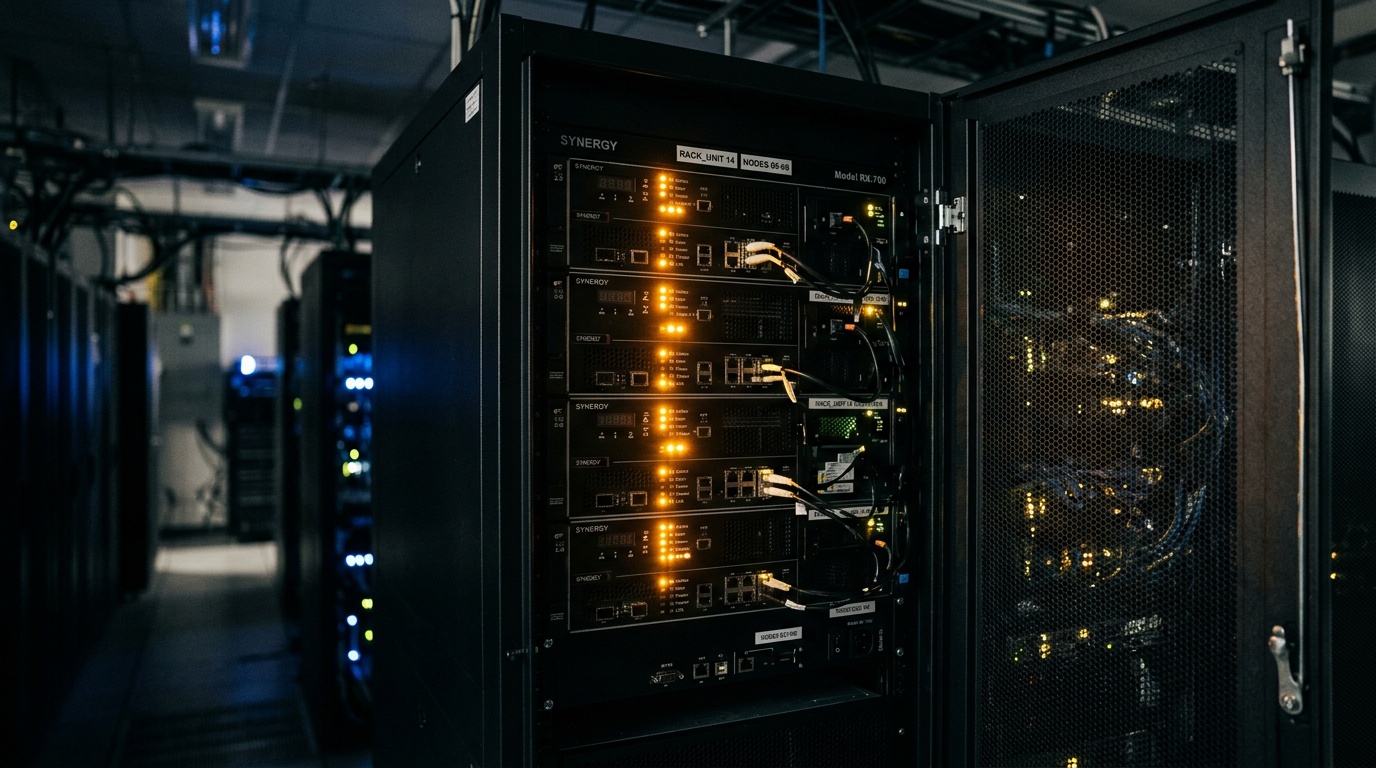
But here's the twist: the merger adds a U.S.-based optical transceiver business, which is exactly what you need for AI data centers. So GoPro is essentially strapping itself to the AI boom, but not in the way you'd expect from a company known for mountable cameras.
Meanwhile, GoPro isn't abandoning its roots. It plans to keep supporting its existing consumer products, subscriptions, and cloud platform while making investments for future growth. So it's not a total pivot; it's more like a dual-track strategy.
And then there's the Markiplier effect. Mark Fischbach, the YouTube megastar known as Markiplier, has built an 8.5% passive stake in GoPro, according to an SEC filing. That makes him the company's largest individual shareholder. For a company that's been trying to stay relevant, having a guy with 30 million subscribers on your cap table is a nice boost.
So what does GoPro actually do? It designs and sells cameras, mounts, accessories, and lifestyle gear, plus apps, subscriptions, and services. Sales flow through retailers, distributors, and GoPro.com. It develops products in the U.S., France, China, and Romania, but outsources most manufacturing to contract manufacturers in China, Thailand, and Vietnam. That's a global supply chain, but the new direction is decidedly more domestic.
Investors are clearly excited. At the time of publication on Tuesday, GoPro shares were up 46.79% at $1.275. That's a big move for a stock that's been in the doldrums. The combination of debt relief, a new AI-focused direction, and a celebrity investor seems to be hitting the right notes.
Of course, there's always a "but." The deal is subject to approvals, and the integration of an optics business into a camera company isn't a slam dunk. But for now, GoPro is telling a new story, and the market is listening.