Space Exploration Technologies Corp. (NASDAQ:SPCX) has always been a bit different from your typical aerospace outfit. Instead of just bolting together parts from a thousand suppliers, it's built rockets by pulling more of the manufacturing in-house. That's how you get to reuse rockets and land them on drone ships.
Now Elon Musk is applying the same playbook to what might be AI's biggest physical bottleneck: electricity. SpaceX is developing its own gas turbine component manufacturing in Texas, aiming to sidestep a power equipment supply chain that's been stretched thin for years.
SpaceX's Power Play
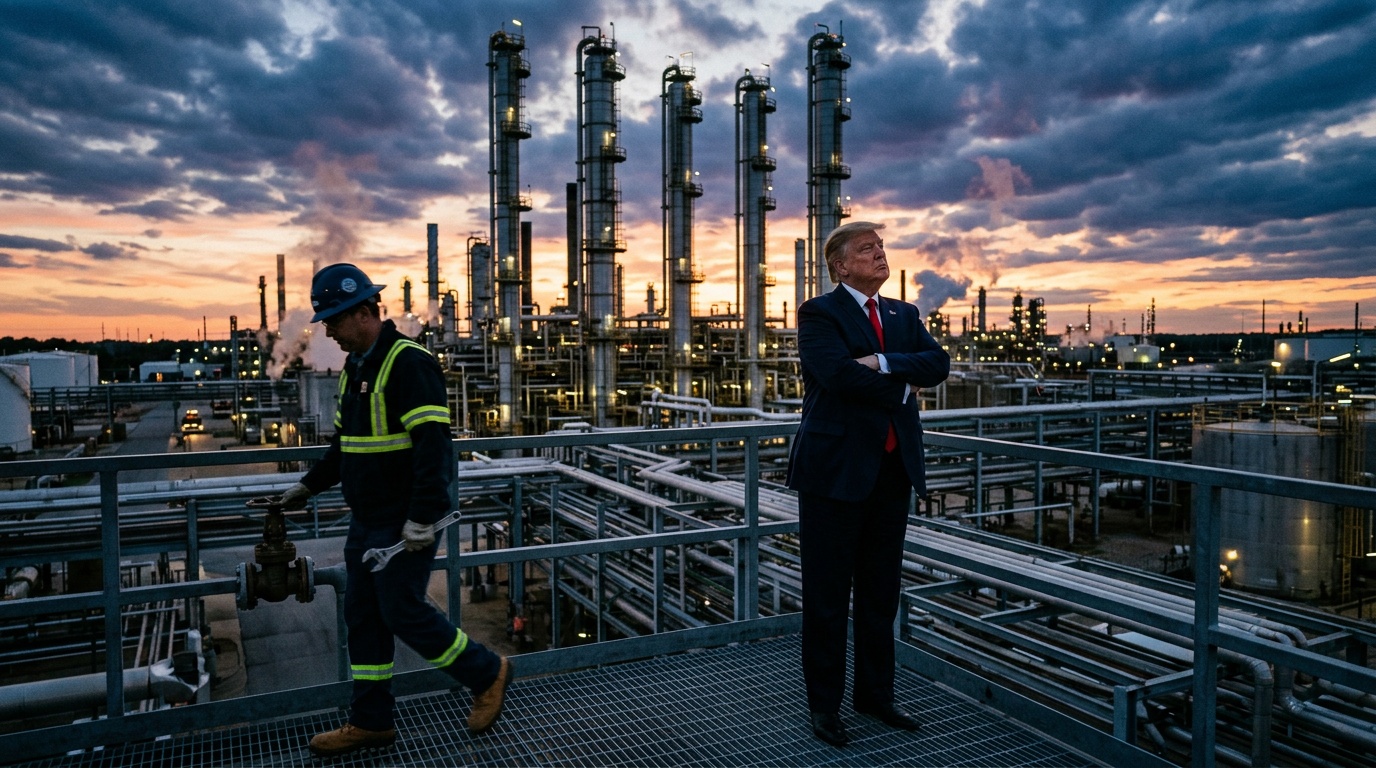
According to The Information, SpaceX is laying the groundwork for a foundry in Bastrop, Texas, to produce the blades and vanes used in large gas turbines. The company has been hiring engineers for the facility, with roles spanning materials, automation, tooling, and the construction of a new manufacturing line.
Musk confirmed the strategy on X, noting that natural gas will still be needed to "supplement and bootstrap solar for several years." He said that bringing blade and vane casting in-house could accelerate gas turbines coming online by as much as 18 months, calling the result a "profound game-changer."
Why go this far? Simple: AI data centers need enormous amounts of reliable power, and waiting for new grid connections can take too long. If you're building the infrastructure for the next wave of computing, you can't afford to sit around.
AI's Power Bottleneck
The hardest part might not be generating electricity itself, but getting the equipment needed to generate it. The Information reported that only a handful of companies can produce the highly specialized turbine blades required for industrial-scale gas turbines, and those foundries are already running near capacity. GE Vernova Inc. (NYSE:GEV), for instance, has seen its turbine orders extend into 2030.
These blades operate at temperatures of roughly 3,000 to 3,600 degrees Fahrenheit and require sophisticated casting techniques, making the manufacturing process difficult to replicate quickly, as TechCrunch reported.
For SpaceX, that makes vertical integration more than a manufacturing preference. It becomes a way to remove a bottleneck standing between an AI facility and the computing power it needs.
From Rockets to AI Infrastructure
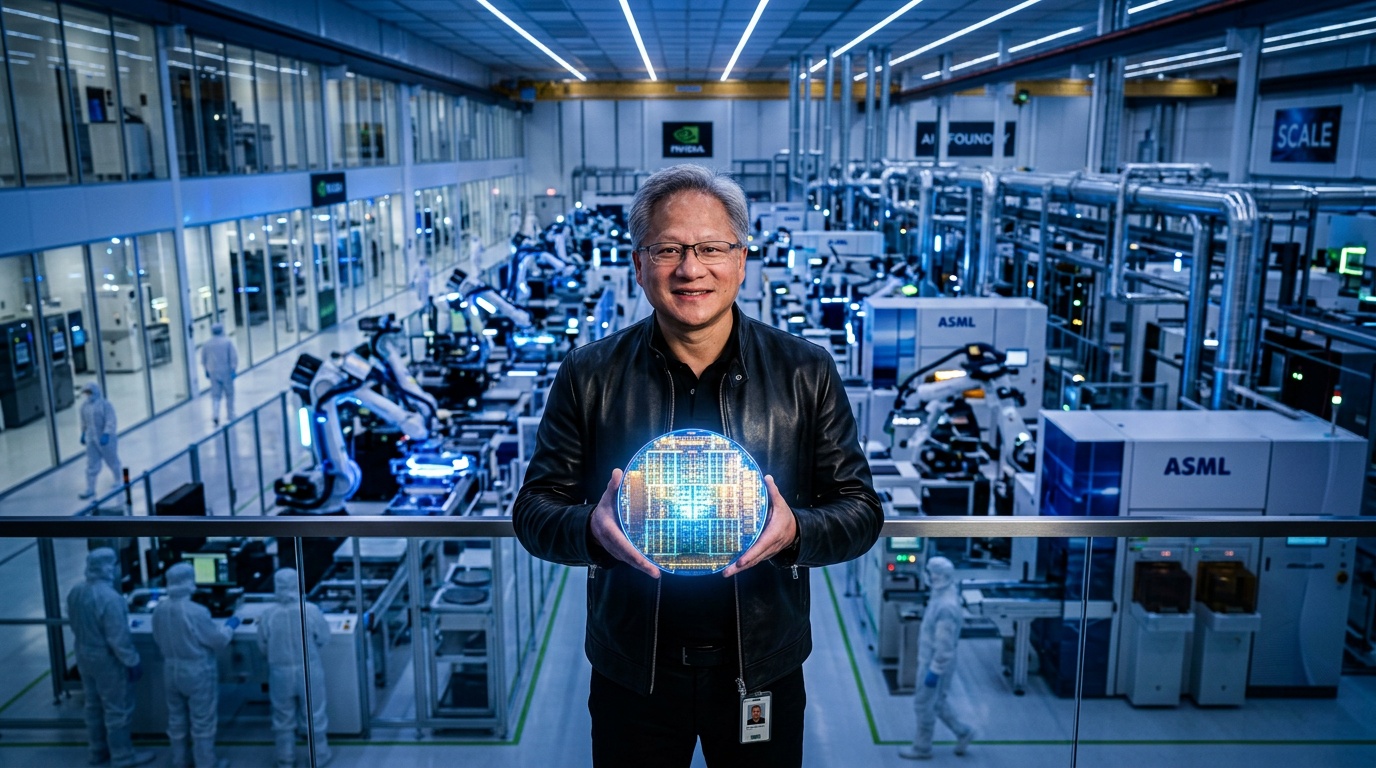
The bigger shift is where SpaceX is applying that philosophy. The company is developing Terafab, an ambitious semiconductor manufacturing project in Texas, while also expanding its AI infrastructure. The turbine effort effectively connects those ambitions: SpaceX wants to produce AI hardware, but it also needs sufficient electricity to power the infrastructure that supports it.
That's an unusually broad form of vertical integration. SpaceX isn't simply buying GPUs or leasing data-center capacity; it's increasingly trying to control the physical systems around the compute, from manufacturing to power.
The most important signal here isn't that SpaceX is entering the turbine business. It's that AI demand is pushing even technology companies into traditionally industrial businesses. As power becomes as important as chips in determining how quickly AI infrastructure can scale, companies that control constrained physical inputs could gain an advantage that software alone cannot provide.