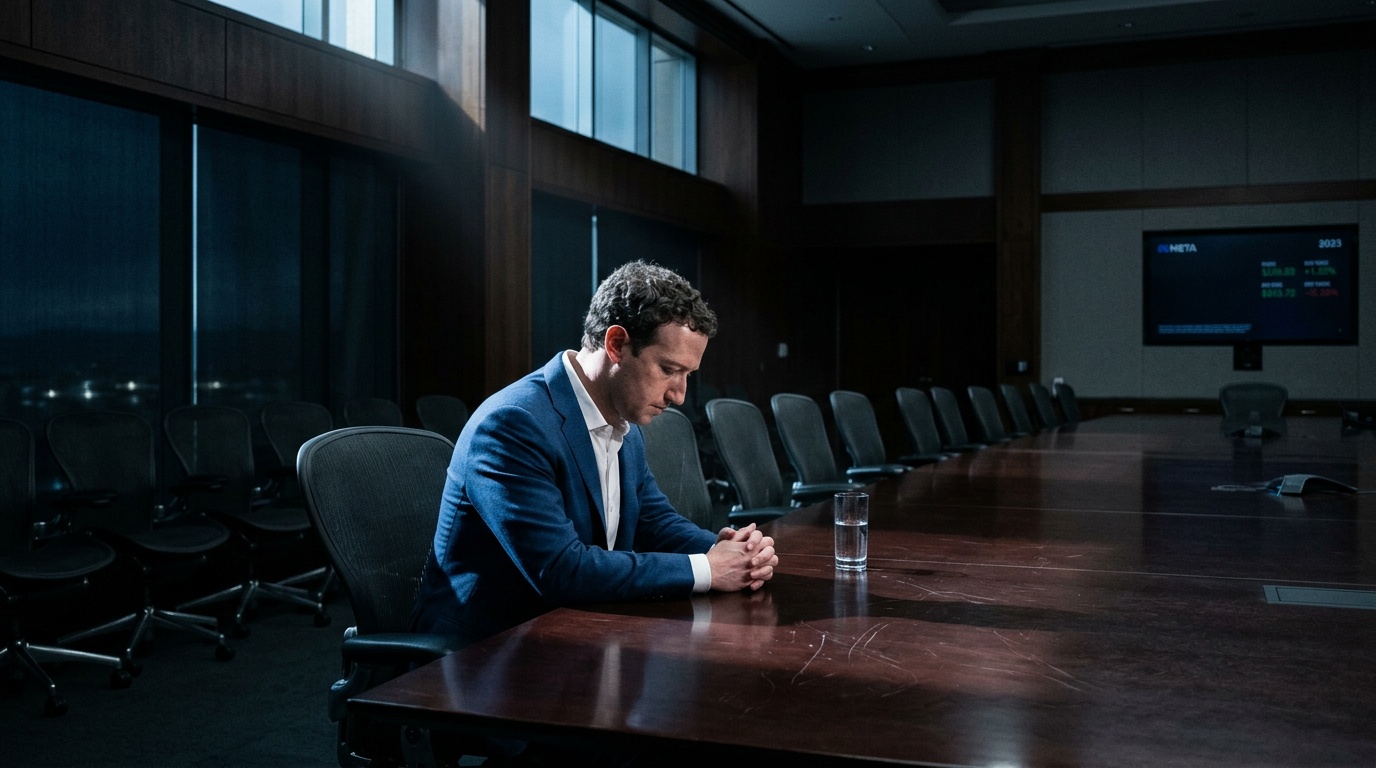
There's an old saying in economics: if you tax something, you get less of it. California is about to test that principle with a tax on billionaires, and a former White House adviser thinks the state might end up with less money, not more.
Tomas Philipson, who served as acting chair of the Council of Economic Advisers under President Trump, appeared on Fox Business' "The Bottom Line" on Wednesday to discuss California's Proposition 40. The measure, which would impose a one-time 5% tax on certain billionaires, is heading to a November vote. Philipson's argument is simple: if you scare the rich away, you lose the taxes they were already paying.
"I mean, they're going to lose so much more tax revenue on other taxes that's going to swamp the gain, and that loss is going to swamp the gain that they collect in the new wealth tax, essentially," Philipson said.
He also made a broader point about wealth creation under capitalism. Successful business owners, he argued, create products and services that benefit consumers far beyond their own earnings. "Consumers gain about 15x relative to the earnings of these companies," he said, adding that people can also benefit by owning shares in those businesses.
The fear isn't hypothetical. Coinbase Global Inc. (COIN) CEO Brian Armstrong said on "The Katie Miller Podcast" on Aug. 25 that he's considering leaving California over the tax. "So we're considering any or all options basically in terms of relocation," Armstrong said. He also called the proposal potentially unconstitutional and "deeply un-American to seize people's assets."
Armstrong isn't alone. Alphabet Inc. (GOOG) co-founder Sergey Brin has opposed the measure and contributed to efforts fighting it. Billionaire entrepreneur Mark Cuban has warned it could hurt California's startup ecosystem, arguing that founders often become "cash poor, stock rich" after their companies hit billion-dollar valuations. A wealth tax could force them to sell shares or borrow against them to pay the bill, and investors might think twice about backing California startups.
"I will make NOT being in California a pre requisite for an investment," Cuban wrote in response to the proposal.
The political divide is just as stark. Gov. Gavin Newsom (D-Calif.) opposes the state proposal but supports a federal wealth tax approach. Rep. Ro Khanna (D-Calif.) and Sen. Bernie Sanders (I-Vt.) back the measure. A recent Berkeley IGS poll found 48% of likely voters support it, 41% oppose it, and 11% are undecided.
The proposal would apply a one-time 5% tax on certain taxpayers with assets above $1 billion, with the money primarily directed toward health care.
Some wealthy Californians aren't waiting for the vote. Tax adviser David Lesperance said seven extremely wealthy clients had already left the state ahead of the proposed tax, with four departing before the Jan. 1 residency cutoff and three more after. Venture capitalist Chamath Palihapitiya, on the other hand, said he plans to stay and pay it, despite opposing the measure.
The growing divide has turned the proposed tax into a broader debate about whether California can squeeze more revenue from its richest residents without driving them away, reducing investment, or prompting them to restructure their assets. Philipson's broader point about government finances applies here too: the real issue isn't how spending is financed, but the level of spending itself. Eventually, he said, government spending has to be covered through taxes, borrowing, or inflation.
As November approaches, the question is whether California's billionaires will still be around to pay the tax if it passes.
Disclaimer: This content was partially produced with the help of AI tools and was reviewed and published by MarketDash editors.