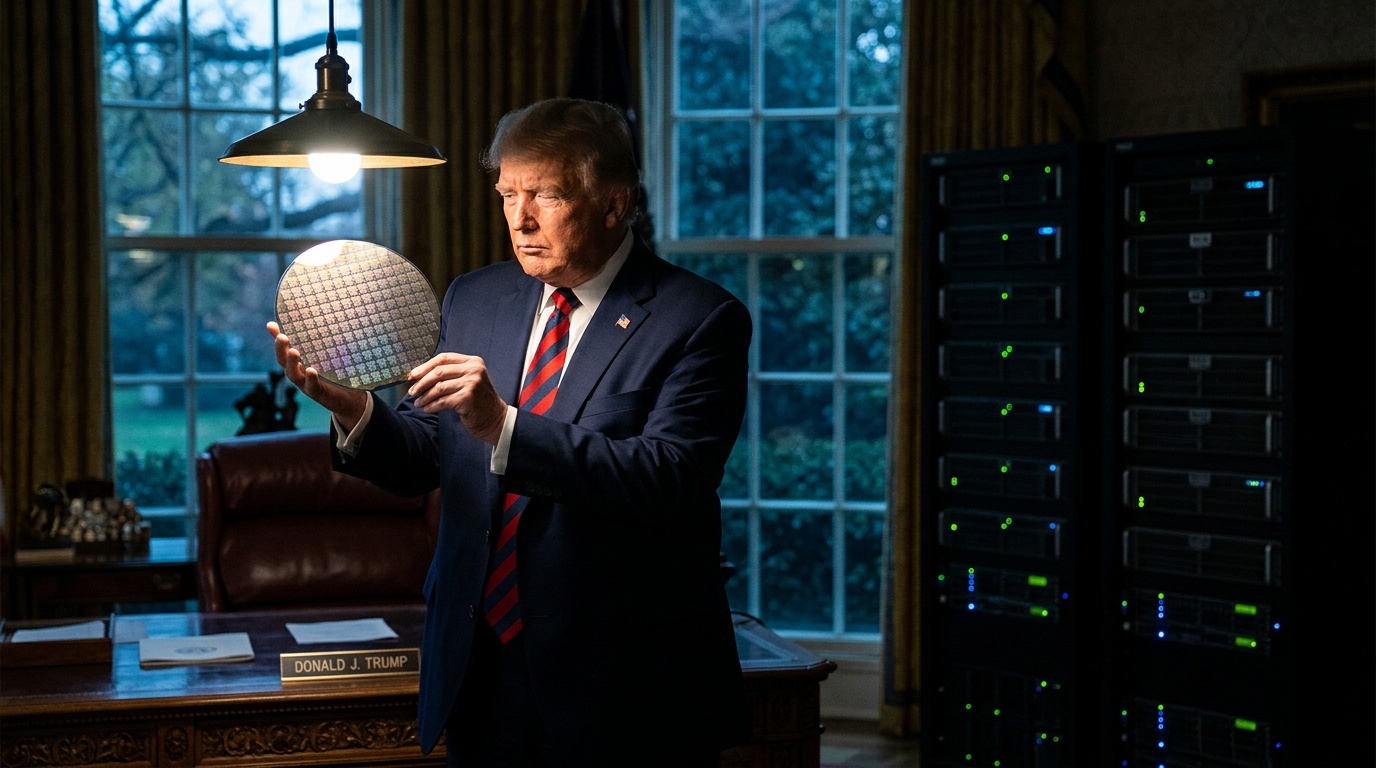
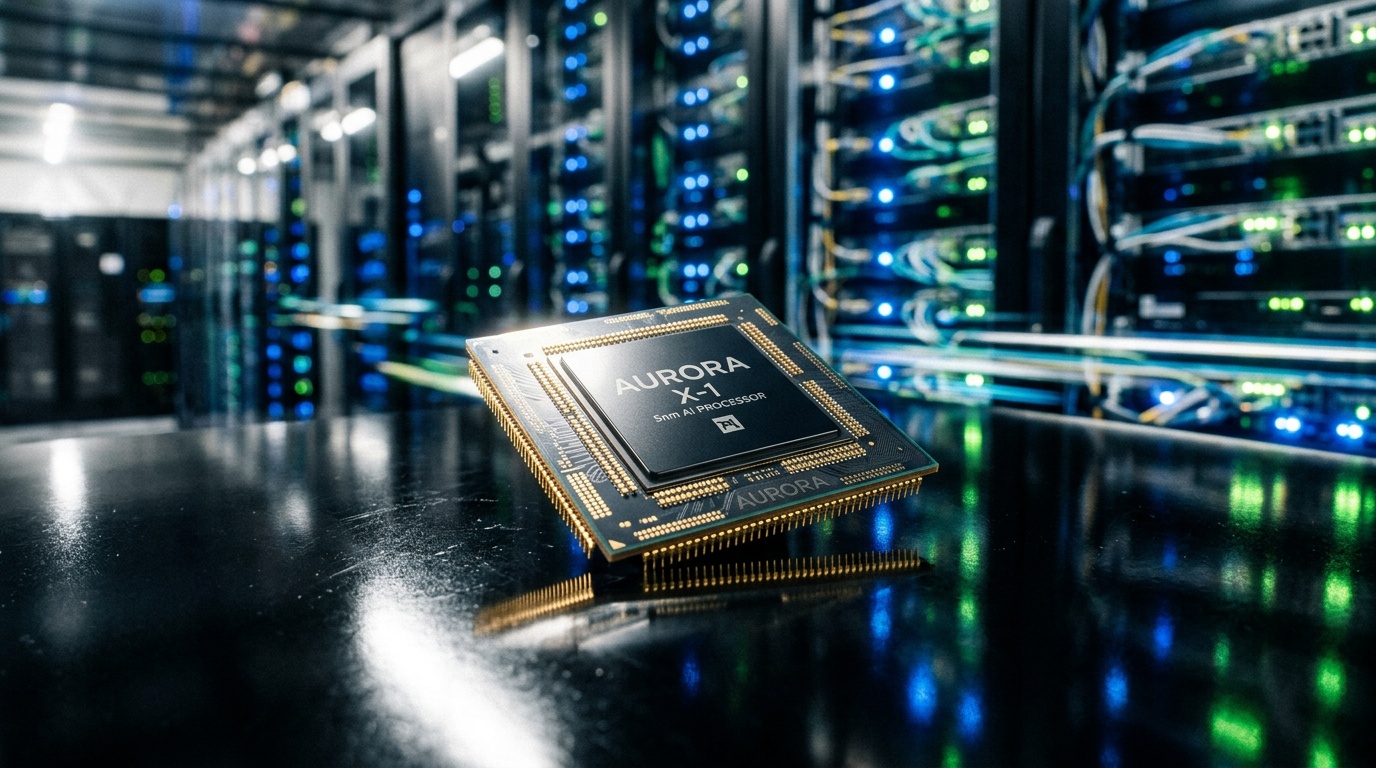
The Trump administration is reportedly mulling new semiconductor tariffs, and the tech world is holding its breath. The proposed plan could dramatically expand the scope of products subject to duties, potentially hitting anything made with chips, from laptops and gaming consoles to the servers humming inside data centers. POLITICO reported Thursday that the administration is weighing this broader approach, which would go beyond just chips themselves.
Commerce Secretary Howard Lutnick is reportedly pushing for a system where foreign companies get tariff relief in exchange for investing in U.S. chip production, a move aimed at boosting domestic manufacturing. The administration is also thinking about phasing in the new tariffs over time, though the whole framework could still shift significantly in the coming weeks or months.
Meanwhile, tech companies are already lobbying hard to soften the expected tariffs. Their argument? These duties could throw a wrench into data center expansion by making it harder for U.S. firms to get the sheer volume of semiconductors needed for the AI boom. The White House didn't immediately respond to requests for comment.
Proposed Tariffs Could Put Big Tech AI Plans At Risk
The stakes here are enormous. American tech giants are in the middle of an unprecedented AI spending spree, pouring billions into data center mega-campuses and the high-end chips that power them. Experts say these tariffs could put all of that at risk.
Jonathan McHale of the Computer and Communications Industry Association told POLITICO that the tariffs could jeopardize massive U.S. data center investments by raising costs and creating uncertainty. He compared the scale of the buildout to the transcontinental railroad. "Anytime you add to the cost and decrease predictability, you make it more difficult to invest, and you are putting that in jeopardy," McHale warned.
This report lands right after a separate analysis found that the U.S. has overtaken China in new gas-fired power plant construction, largely driven by the electricity demands of AI data centers. Gas projects under construction in the U.S. jumped 76% in the first half of the year, raising concerns about the environmental impact of completing all those planned projects.
Earlier this year, the administration was reportedly considering broad chip tariffs while also planning exemptions to protect big tech players like Amazon.com, Inc. (AMZN), Microsoft Corp (MSFT), and Alphabet Inc. (GOOGL) (Google (GOOG)) from higher chip costs. Those exemptions were designed to support the companies' AI expansion efforts.
So, what's next? The administration is still hashing out the details, and nothing is set in stone. But one thing is clear: the tech industry is watching closely, and the outcome could shape the future of AI in the U.S.