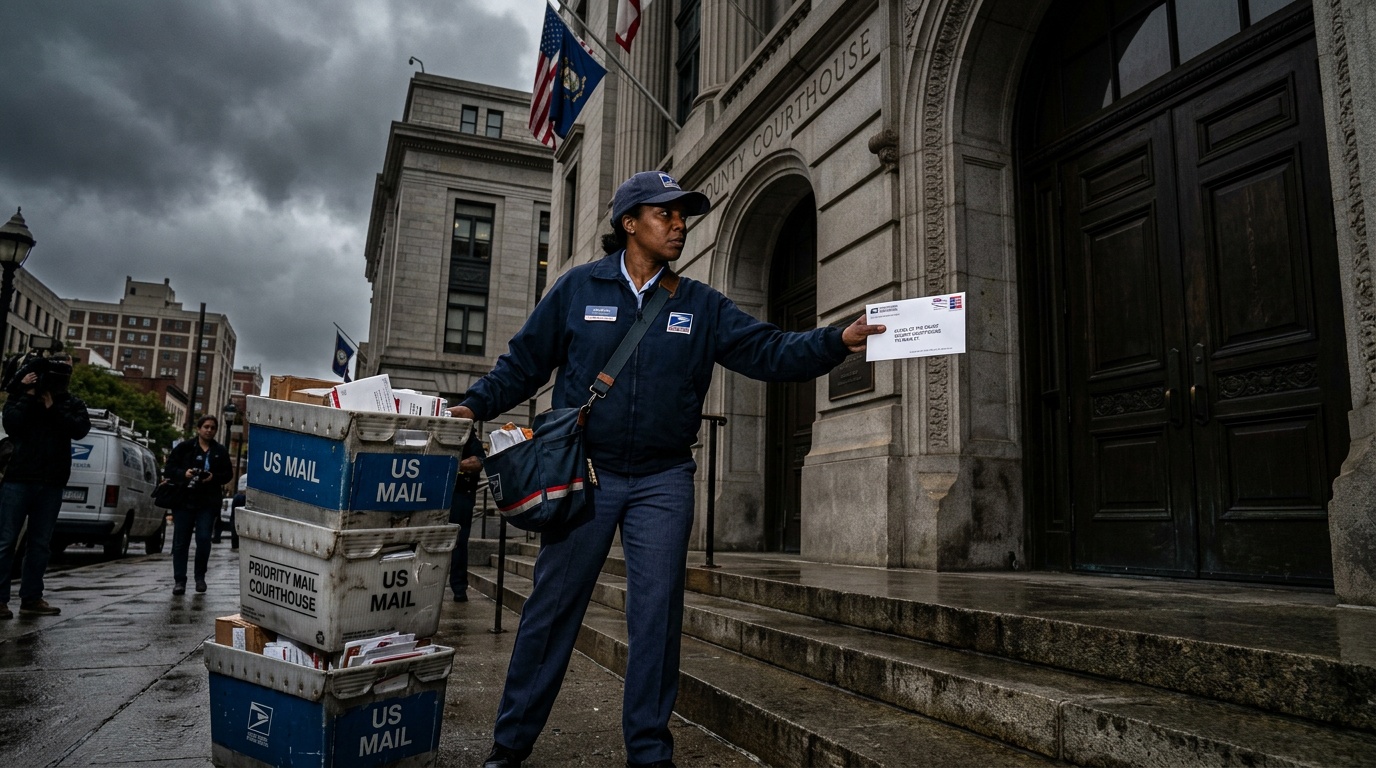
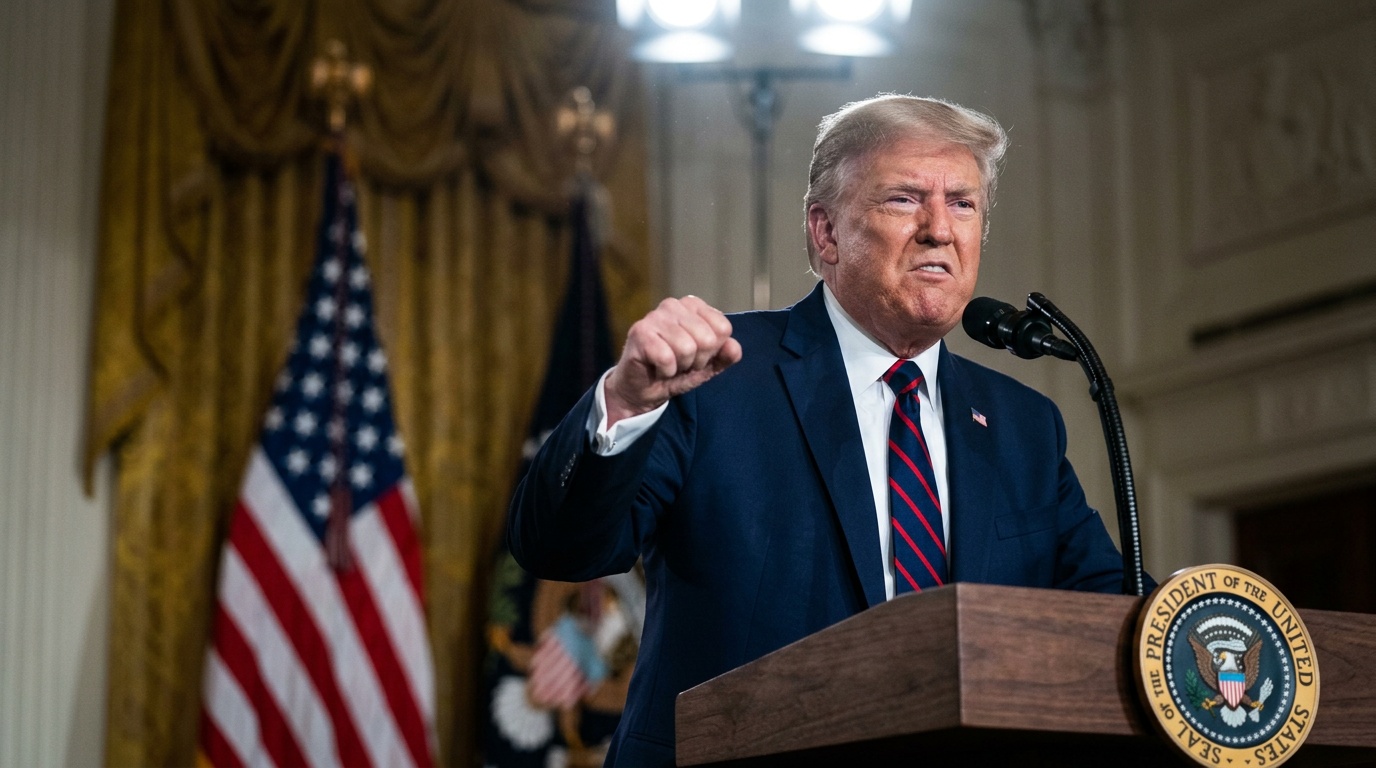
The US Postal Service has a new plan for mail-in voting, but it's stuck in legal limbo. On Friday, the agency published a 95-page final rule that lays out how it intends to handle ballots for November's midterms. The rule is set to appear in the Federal Register on Aug. 26, but don't expect it to take effect anytime soon. Litigation over President Donald Trump's original executive order is still ongoing, and a federal court has already put the brakes on it.
The new rules are essentially a carbon copy of Trump's blocked mandate. States would need to hand over lists of eligible voters, using citizenship data, at least 60 days before the Nov. 3 election. Only after receiving those lists would the USPS send out ballots. It's a system that Postmaster General David Steiner defended back in June, telling senators it would ensure "the right ballots are going to the right people."
Court Ruling Complicates Rollout
Here's where things get messy. In August, U.S. District Judge Indira Talwani blocked nationwide enforcement of the order, warning it would cause "confusion" and "chaos" so close to the election. The Trump administration isn't taking that lying down; it's already asked the Supreme Court to step in and revive the restrictions. This is just the latest in a string of courtroom setbacks for the president's election agenda.
Why does this matter? Well, mail-in voting is a big deal. According to a June report from the U.S. Election Assistance Commission, nearly a third of 2024 ballots were cast by mail. That's a lot of voters who rely on the system.
Trump has long questioned the integrity of mail-in voting, and he hasn't ruled out declaring a national emergency if the SAVE Act stalls in the Senate. So while the USPS's new rules are on paper, the real battle is playing out in the courts.