Here's a number that might make you do a double take: $1.04 trillion. That's how much money a new analysis from Yale says the U.S. could save every single year by switching to a Medicare for All-style system. That's not a typo. Nearly 20% of what we spend on healthcare, gone.
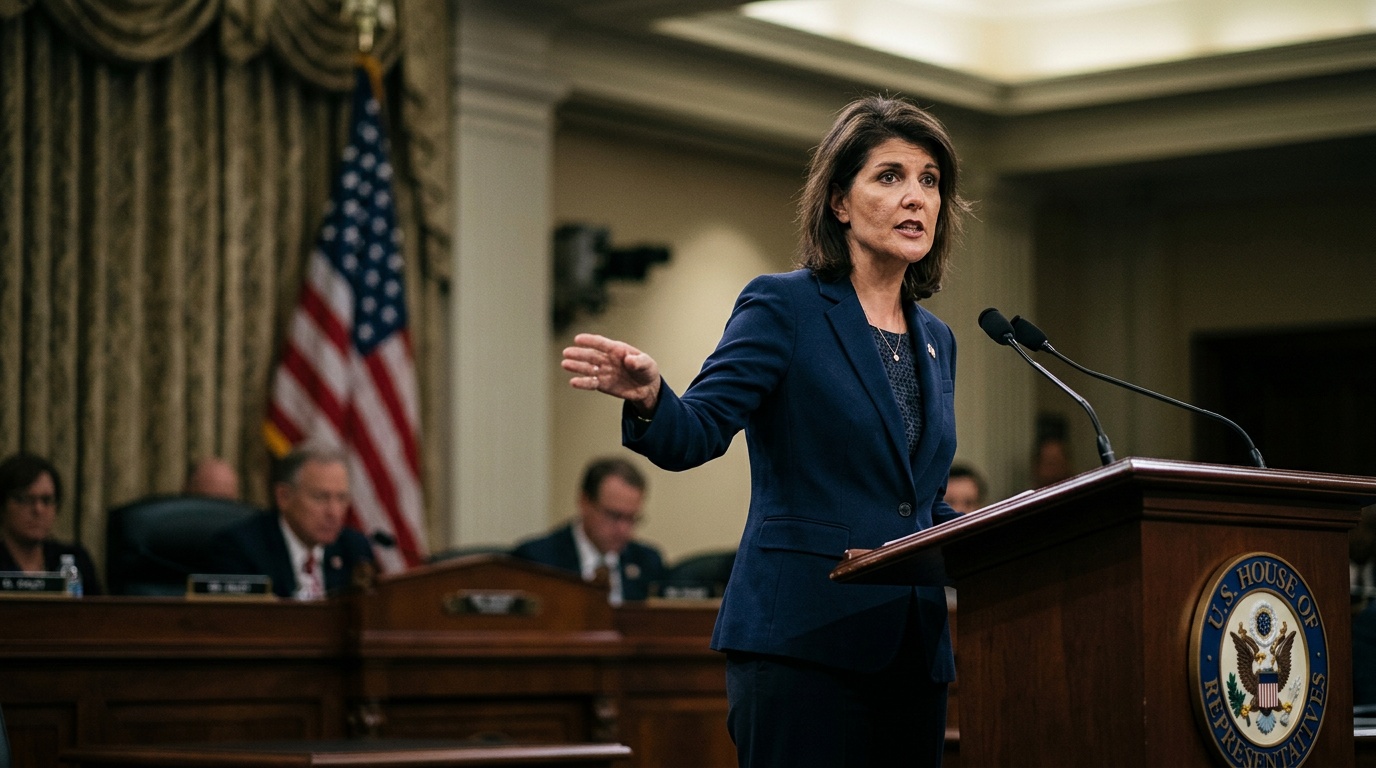
Rep. Ro Khanna (D-Calif.) was quick to jump on this, posting on X Wednesday that the savings would come from cutting private insurance overhead, lowering pharmaceutical costs, and trimming administrative waste. He argues that money could then be used to boost Medicare reimbursement rates, cover $52 billion in unpaid hospital care, and even give doctors, nurses, and other providers a raise. In his words, "Medicare for All saves money and lives."
The study, published as a preprint on Aug. 13 by the Yale School of Public Health, hasn't been peer-reviewed yet. But the modeling, based on 2024 healthcare data, paints a pretty compelling picture. Beyond the trillion-dollar savings, researchers also projected 114,174 fewer deaths each year. That's not just about money; it's about people.
Alison Galvani, the senior author and a Yale professor, put it simply: Medicare for All could strip out the administrative waste, the sky-high drug costs, and the avoidable emergency room visits, all while making sure everyone has coverage. Save over a trillion dollars and 114,000 lives a year? That's the kind of headline that gets attention.
Now, this isn't happening in a vacuum. The current Medicare system is already going through its own changes, and not all of them are painless. The Centers for Medicare & Medicaid Services announced in July that it's ending the Medicare Part D Premium Stabilization Demonstration after 2026. That program had been helping to keep premium spikes in check, and its end could mean higher costs for some seniors in 2027.
Here's the breakdown: about 25% of Part D enrollees might see their premiums stay flat or even go down, and another 30% could face increases of less than $10 a month. But that leaves a solid 45% looking at hikes of roughly $11 to $20 per month. Not catastrophic, but not nothing either, especially for folks on fixed incomes.
On the drug price front, there's some good news. Prices actually fell 3.1% in July compared to a year earlier, according to the Bureau of Labor Statistics. Experts point to Medicare's drug-price negotiations under the 2022 Inflation Reduction Act as a key reason. So, the system is already shifting, just not as dramatically as the single-payer crowd would like.
Khanna, for his part, is making universal healthcare a cornerstone of his platform. Back in July, he listed Medicare for All as one of five priorities for House Democrats if they retake the majority, alongside things like a higher living wage, stronger unions, $10-a-day child care, and ending U.S. aid to Israel. In June, he framed it as a "values issue," arguing that a country as wealthy as the U.S. shouldn't leave anyone without coverage. He called for a "New Deal for our time."
Of course, the Yale researchers themselves add some caveats. Their analysis doesn't account for transition costs, potential job losses in the insurance industry, or how providers might react to Medicare-level payments. They also had to model the risk of excess mortality among the underinsured because direct estimates just aren't available. So, it's not a perfect picture, but it's a powerful one.
Whether you're for or against Medicare for All, the numbers here are hard to ignore. A trillion dollars is real money, and 114,000 lives is a lot of people. The debate is far from over, but this study just added some serious fuel to the fire.