Sen. Elizabeth Warren (D-Mass.) has a simple question for the nation's biggest defense contractors: if taxpayers are footing the bill for military equipment, why are you buying back your own stock?
In a post on X, Warren highlighted that the five largest U.S. defense firms have spent more than $100 billion on buybacks and dividends since 2020. Her message was blunt: "This needs to stop."
The companies in question are Lockheed Martin Corp. Lockheed Martin (LMT), RTX Corp. RTX (RTX), GE Aerospace GE Aerospace (GE), Northrop Grumman Corp. Northrop Grumman (NOC), and General Dynamics Corp. General Dynamics (GD).
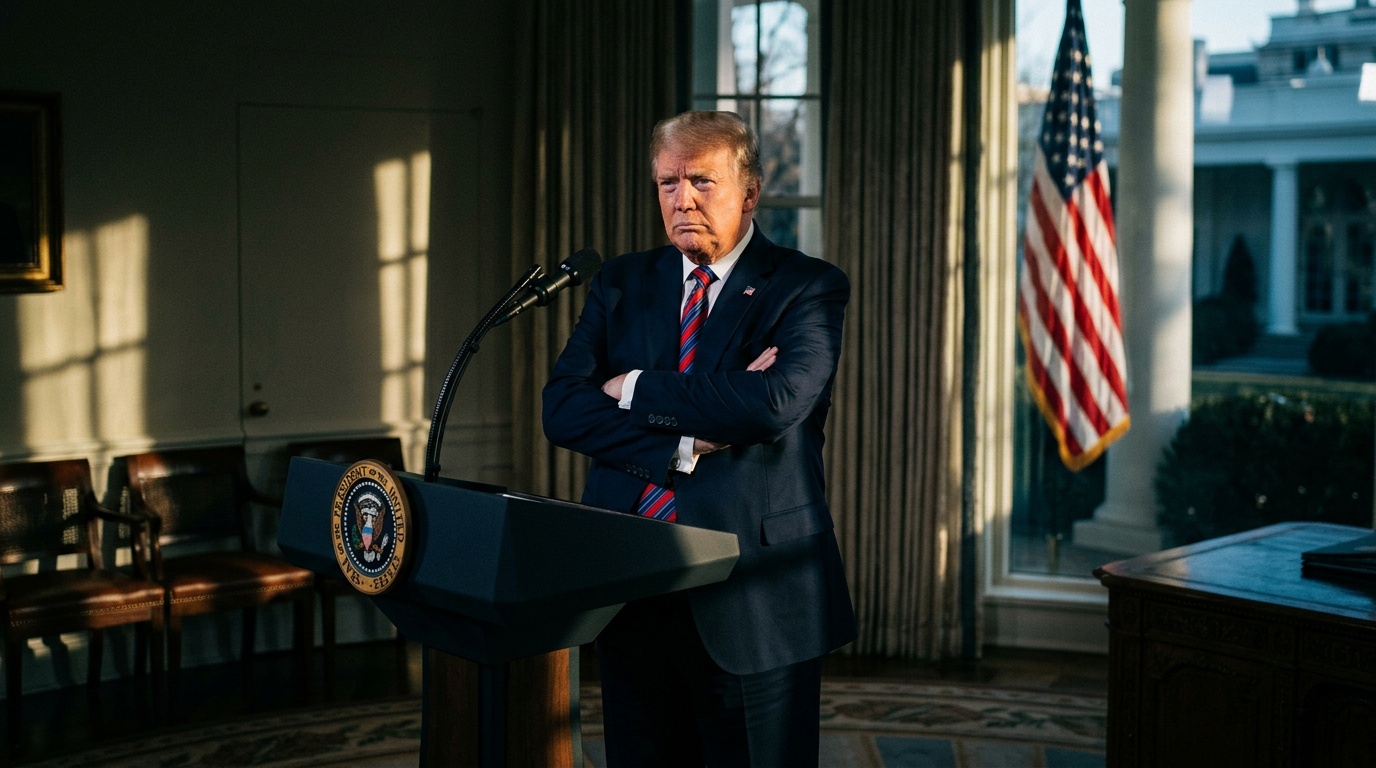
This isn't just political posturing. In January, President Donald Trump vowed to block defense contractors from paying dividends or buying back shares until they speed up weapons production. Now, Warren and a bipartisan group of senators are trying to turn that executive order into law.
Some Contractors Have Already Cut Back
Earlier this month, Warren and Sen. Mike Lee (R-Utah) released a bipartisan analysis showing that the four largest defense contractors—Lockheed Martin, RTX, Northrop Grumman, and General Dynamics—cut their combined buybacks and dividends by roughly 36% in the first quarter of 2026 compared with a year earlier. That's a drop from $4.2 billion to $2.7 billion.
But not everyone got the memo. The senators pointed to GE Aerospace, which actually increased stock buybacks by 21% year-over-year to $2.3 billion in the same quarter. That gap didn't sit well with the lawmakers, who urged Defense Secretary Pete Hegseth to support legislation that would codify Trump's executive order into law.
Defense Spending Has Surged Under Trump
The context here is a massive surge in defense spending. NATO allies have committed more than $1.21 trillion in additional defense spending since Trump's first term, including over $120 billion in new spending last year alone. Contractors have been direct beneficiaries—RTX, for instance, landed a $22.9 billion Navy award to expand Tomahawk missile production.
So, the tension is clear: defense contractors are raking in record government contracts, yet they're also returning billions to shareholders. Warren's argument is that if taxpayers are funding the military-industrial complex, the least these companies can do is reinvest those profits into production rather than enriching investors.
For investors, this is a story worth watching. If the legislation gains traction, it could force defense contractors to rethink their capital allocation strategies. That might mean less immediate cash back to shareholders, but potentially stronger long-term growth if the money goes toward expanding capacity and speeding up deliveries.
Price Action: RTX closed 0.6% lower on Monday at $221.64 and fell 0.35% in early pre-market trading on Tuesday. Market data shows RTX's stock has a Momentum score in the 82nd percentile and a Growth score in the 43rd percentile.
Whether this push leads to actual policy changes remains to be seen, but it's a reminder that in the defense sector, politics and profits are never far apart.








.jpeg)