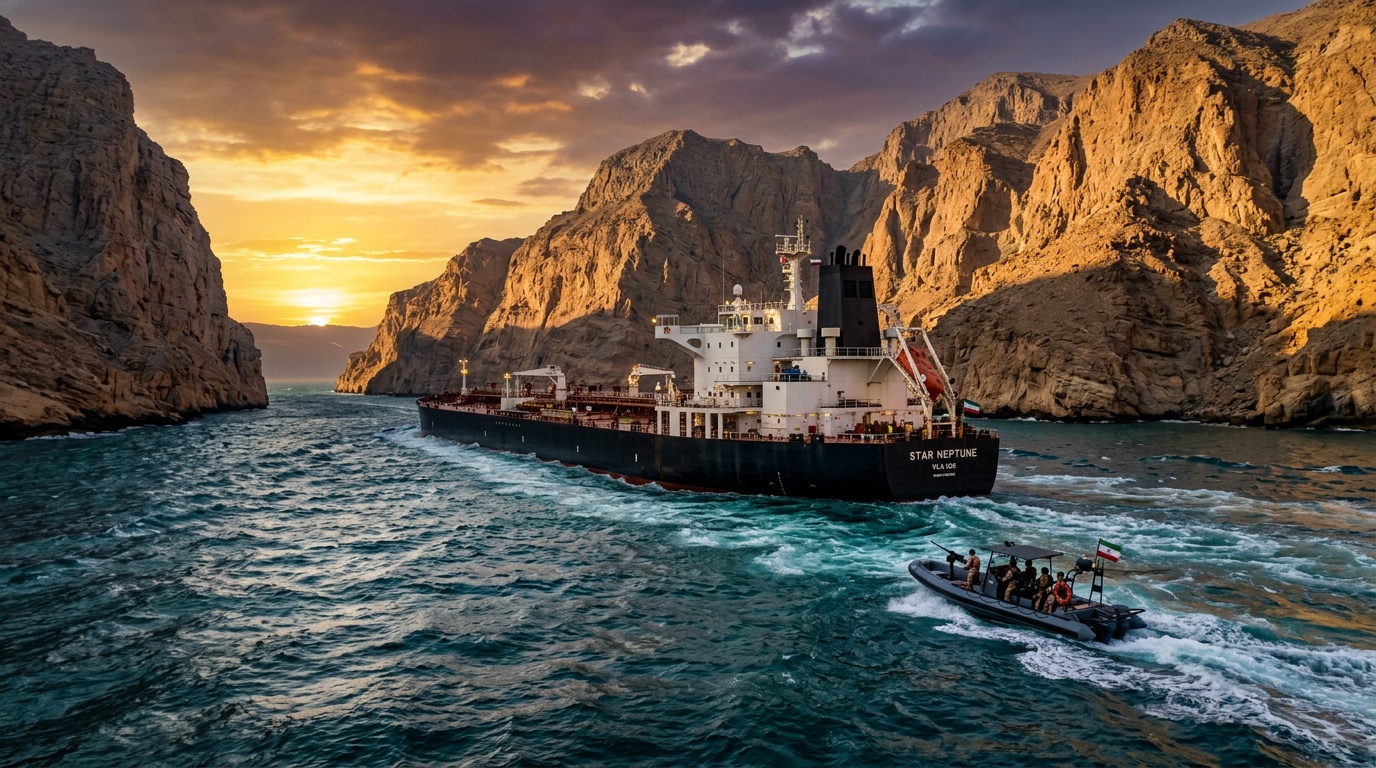
Here's a number that could reshape global oil shipping: 5 to 7 percent. That's what Iran reportedly wants to charge ships as a toll for passing through the Strait of Hormuz, based on the value of their cargo. Oman, on the other hand, is floating a more modest 3 percent.
According to a Reuters report on Wednesday, citing senior Iranian and regional officials, the proposed agreement between Oman and Iran would give Tehran more control over traffic entering the Gulf via the strait. The White House did not immediately respond to a request for comment.
Iranian Deputy Foreign Minister Kazem Gharibabadi, in comments to Iran's IRNA news agency cited by Reuters, said the agreement with Oman will see ships travel through "Iranian territorial waters, both on the inbound and outbound legs." He also said Iran had received indications that the U.S. was prepared to return to the agreements under the Memorandum of Understanding signed in June.
But here's the catch: the officials cited in the report pushed back against President Donald Trump's suggestion that a deal for reopening the Strait of Hormuz was close. Unresolved issues remain, they said. That's a big deal because the strait is a critical artery for the oil supply chain, moving roughly 20 million barrels per day in 2025.
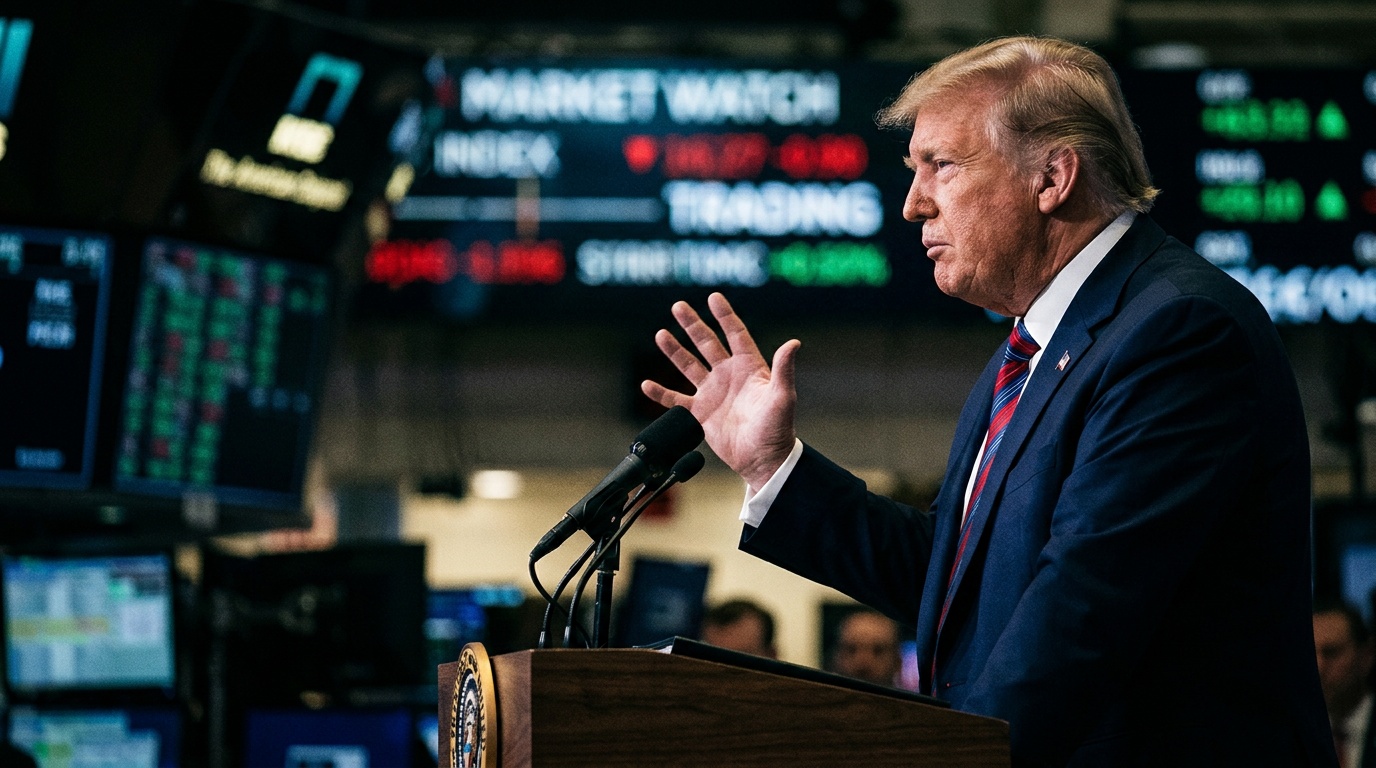
The political backdrop is just as heated. Sen. Chuck Schumer (D-NY) slammed Trump, saying the ongoing war with Iran was his gift to oil companies, which reported massive profits amid higher gas prices. Trump, in a press briefing, shot back, accusing oil companies of "making too much money."
Meanwhile, oil prices are reacting to the news. Trump earlier announced the U.S. would halt strikes on Iran to pave the way for a possible deal, sending prices down. At the time of writing, Brent slipped 0.38% to $79.15 per barrel, while West Texas Intermediate (WTI) crude was down 0.47% to $74.87 per barrel.
Gas prices in the U.S. also fell across the board, with the national average at $4.0801 per gallon on Wednesday, still above the $4 mark. Diesel prices dropped to $5.3622 per gallon, according to the American Automobile Association (AAA).
So, what's the takeaway? The toll negotiations are far from settled, and the gap between Iran's ask and Oman's offer is significant. With officials downplaying the likelihood of an imminent deal, the market's relief rally might be premature. Keep an eye on the strait—and the numbers.