The first wave of the AI boom was pretty straightforward: buy the picks-and-shovels plays. Nvidia (NVDA) made the GPUs, SK Hynix (SKHY) made the high-bandwidth memory, and both stocks went on absolute tears. But as the AI buildout matures, the easy money might be shifting to companies that are a little less obvious.
Will Rhind, CEO of GraniteShares, has a simple framework for finding the next winners: "Follow the bottlenecks." In an exclusive interview, he told MarketDash that the biggest opportunities are moving from the processors themselves to the technologies that connect, manufacture, and support them.
So where exactly is Rhind looking? Three names stand out: Broadcom (AVGO), Marvell Technology (MRVL), and Taiwan Semiconductor Manufacturing Co. (TSM).
Networking and Custom Silicon: The New Kings of the Data Center
After the GPU and the memory, Rhind says the next critical constraint for AI data centers is networking infrastructure. "After the GPU and the memory, the next winners are the companies solving how you connect and power all of it," he said.
That's where Broadcom and Marvell come in. Both companies make networking chips, custom silicon, and high-speed interconnect technologies that have become increasingly essential as hyperscalers like Amazon, Google, and Microsoft race to build ever-larger AI clusters. Broadcom, in particular, has been a quiet powerhouse in custom AI accelerators for big tech clients, while Marvell's data infrastructure portfolio is deeply embedded in the networking gear that ties everything together.
Both stocks have already seen nice runs, but Rhind believes the structural tailwinds are far from played out. As AI deployments continue to scale, the demand for faster, more efficient ways to move data between thousands of GPUs will only grow.
TSMC: The Ultimate Pick-and-Shovel Play
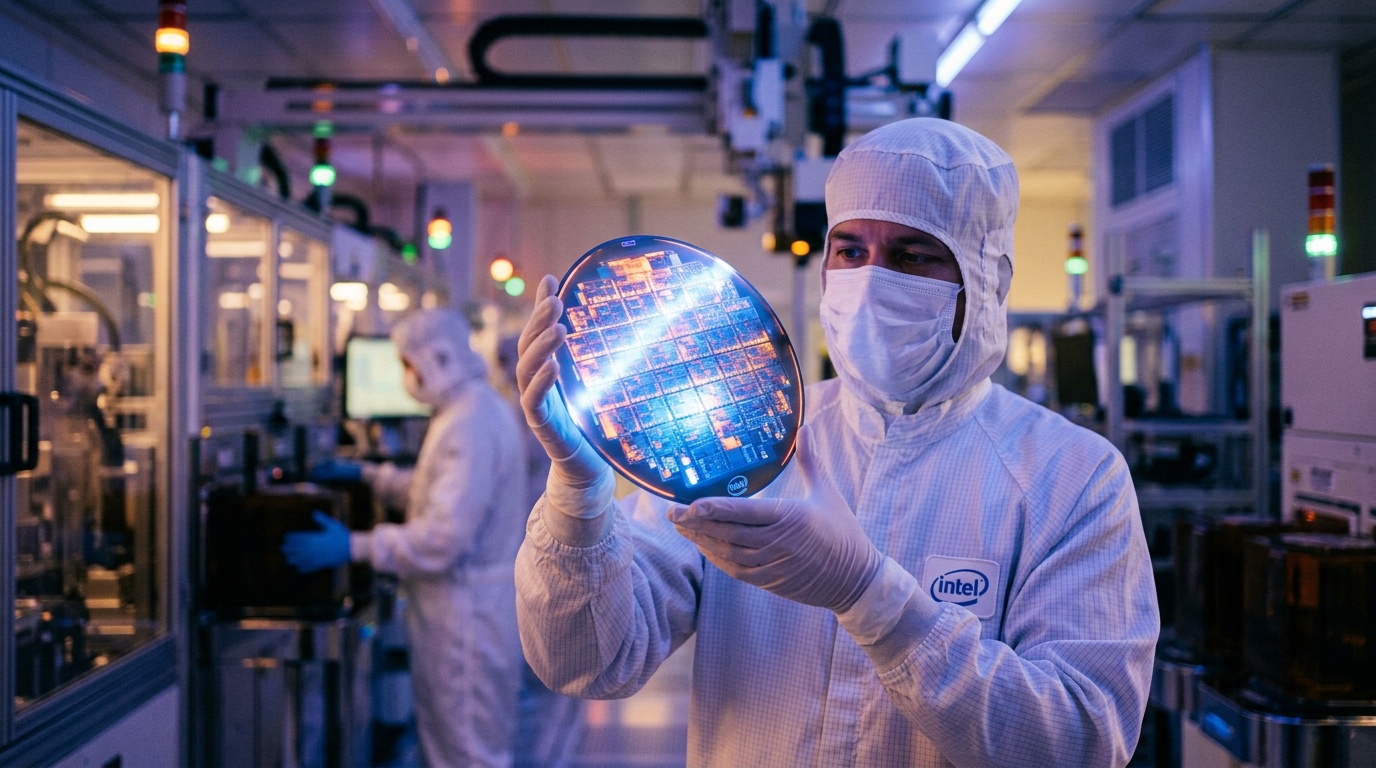
Then there's TSMC. The Taiwanese chipmaker manufactures advanced processors for just about everyone who matters in AI: Nvidia, Broadcom, Apple (AAPL), AMD (AMD), and many others. Rather than betting on a single chip designer, Rhind sees TSMC as a way to bet on the entire expansion of AI silicon production.
"It's underneath everyone," he said. As more companies develop custom AI processors—from Google's TPUs to Amazon's Trainium—TSMC stands to benefit regardless of which chip designer ultimately wins the most market share. It's the ultimate toll road for the AI semiconductor industry.
The Next Bottleneck Might Not Be a Chip at All
Rhind also thinks investors should look beyond semiconductors entirely. "The one people still sleep on is power," he said. "Data centers are running into electricity limits, so the electrical and cooling infrastructure companies are turning into an AI trade in their own right."
This is a theme that's been gaining traction across the industry. As AI clusters consume more energy than small cities, the companies that provide the power generation, cooling systems, and electrical equipment to keep them running are becoming critical enablers. Think companies like Vertiv, Eaton, or even utilities with exposure to data center demand.
For investors, this marks a potential new chapter in the AI trade. The first wave was all about the chips. The next wave may be about everything that surrounds them—networking, custom silicon, advanced manufacturing, and the infrastructure that keeps the lights on. As Rhind put it, the key is to follow the bottlenecks. And right now, the bottlenecks are spreading.