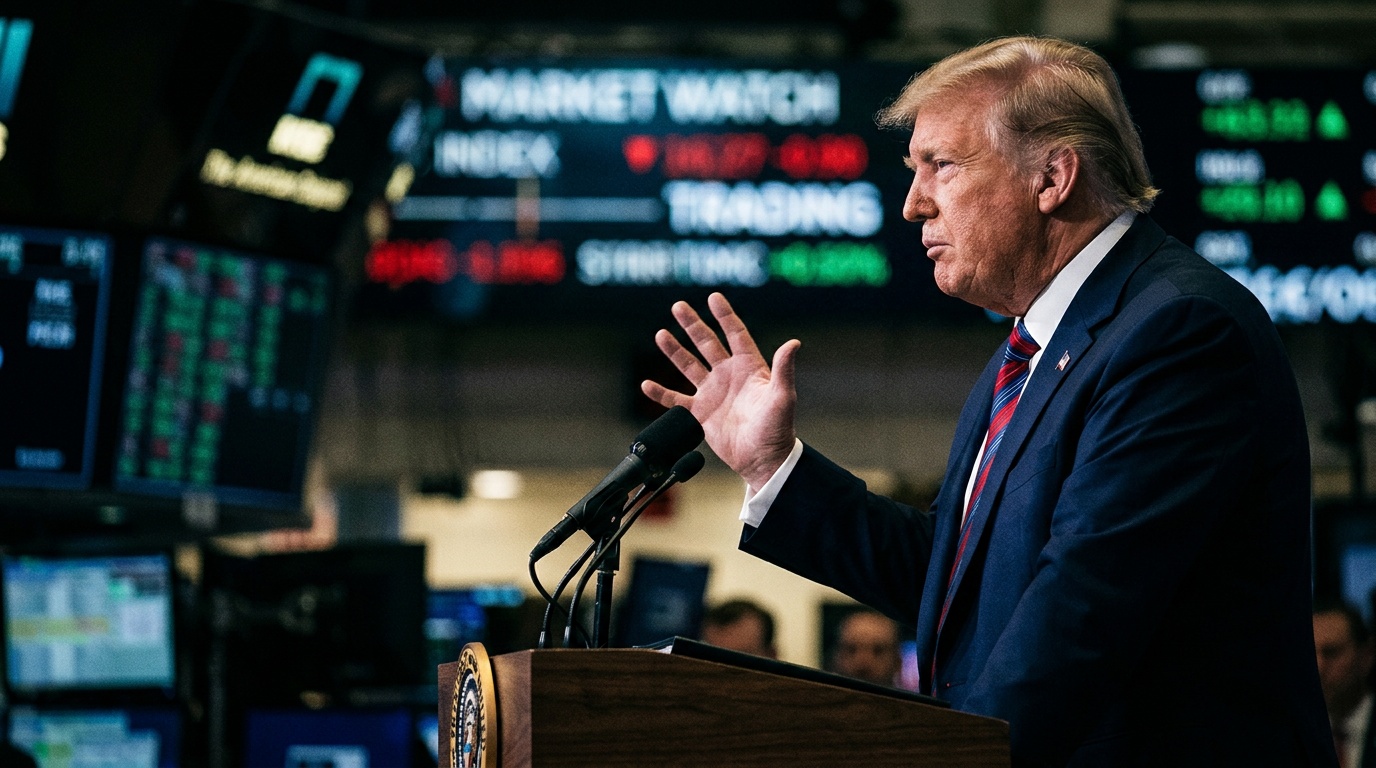
President Donald Trump has decided to play a high-stakes game of chicken with the country that supplies nearly two-thirds of America's oil imports. His new 50% tariffs on roughly $20 billion of Canadian goods—covering everything from dairy and furniture to hockey sticks—escalate a trade war at a moment when global energy markets are already on edge.
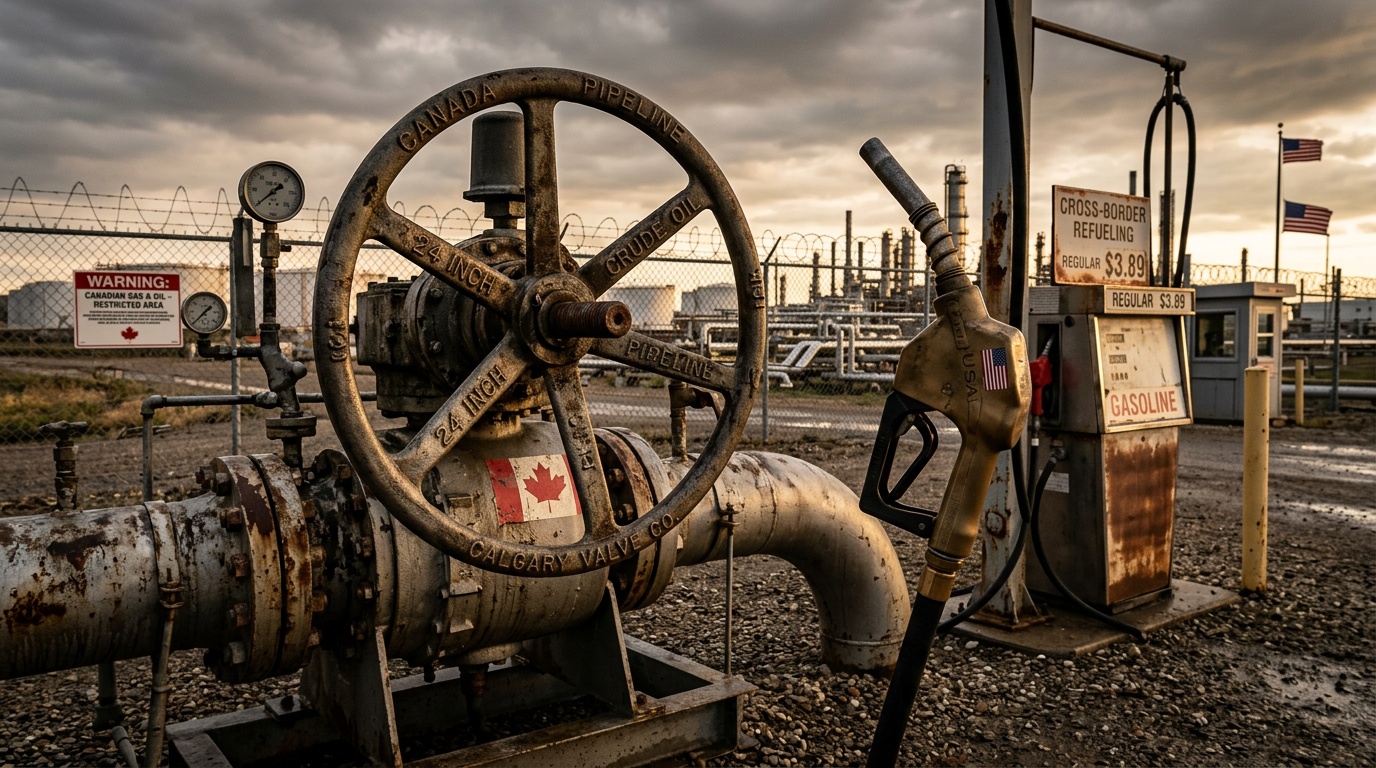
Canadian Prime Minister Mark Carney called the duties the latest in "a series of tariffs in direct violation" of the CUSMA trade agreement. For now, Canada's most critical export—crude oil—remains exempt. That's a big deal: Canadian shipments account for about 62% of U.S. oil imports and more than a quarter of the crude processed by domestic refineries. Alberta alone sends about 85% of its exports south, mostly energy.
But that exemption feels less like a permanent shield and more like a temporary political carve-out. Trump's decision to apply levies to products covered by USMCA signals he's willing to broaden the trade arsenal. Prediction market odds of a new U.S.-Canada trade agreement in 2026 have already fallen to just 9%. The writing is on the wall: Canadian oil might be next.
Shaky Global Energy Market
This situation raises the prospect of a collision between Trump's trade agenda and his pledge to keep fuel affordable. Global markets offer no easy substitute for Canadian crude. Tankers face threats through the Strait of Hormuz, the Red Sea's Bab el-Mandeb passage, and the Black Sea. Brent crude briefly topped $100 a barrel last week as attacks and blockades disrupted shipping.
Meanwhile, the strategic petroleum reserve releases that helped dampen prices are running down, and global inventories are tightening. "The U.S. has essentially run out of spare refining capacity—it's refining just about as much as it possibly can," said Gregory Brew, a senior analyst at Eurasia Group, according to Politico. That leaves refiners with little ability to offset a new supply shock.
Midwest Refiners Face Risks
The first corporate casualties of a loss of Canada's oil exemption would be U.S. refiners built around heavy Canadian crude. Marathon Petroleum Corp. (MPC), Phillips 66 (PSX), and Valero Energy Corp. (VLO) have invested heavily in complex plants designed to process discounted heavy barrels from Alberta.
Marathon's Detroit and Robinson facilities, as well as Phillips 66's Wood River refinery, depend on steady pipeline flows from Canada. Replacing those barrels wouldn't be seamless. Domestic supplies are generally lighter, while imported heavy crude would have to compete for increasingly disrupted seaborne routes.
That shift would squeeze refinery margins or raise wholesale fuel costs—or both. In a market with little spare processing capacity, the burden would quickly move from corporate balance sheets to service-station signs. U.S. gasoline prices climbed 15 cents in a week to $4.09 a gallon, according to AAA, as the broader oil crisis intensified. Brew has warned prices could reach $5 a gallon if disruptions persist into the fall.
Trump's tariff escalation seems aimed at extracting better terms from Ottawa. Yet putting Canadian crude in the crosshairs would risk turning an already fragile global energy emergency into a made-in-Washington price shock—one American drivers and Republican candidates in the 2026 midterms would be hard-pressed to ignore.