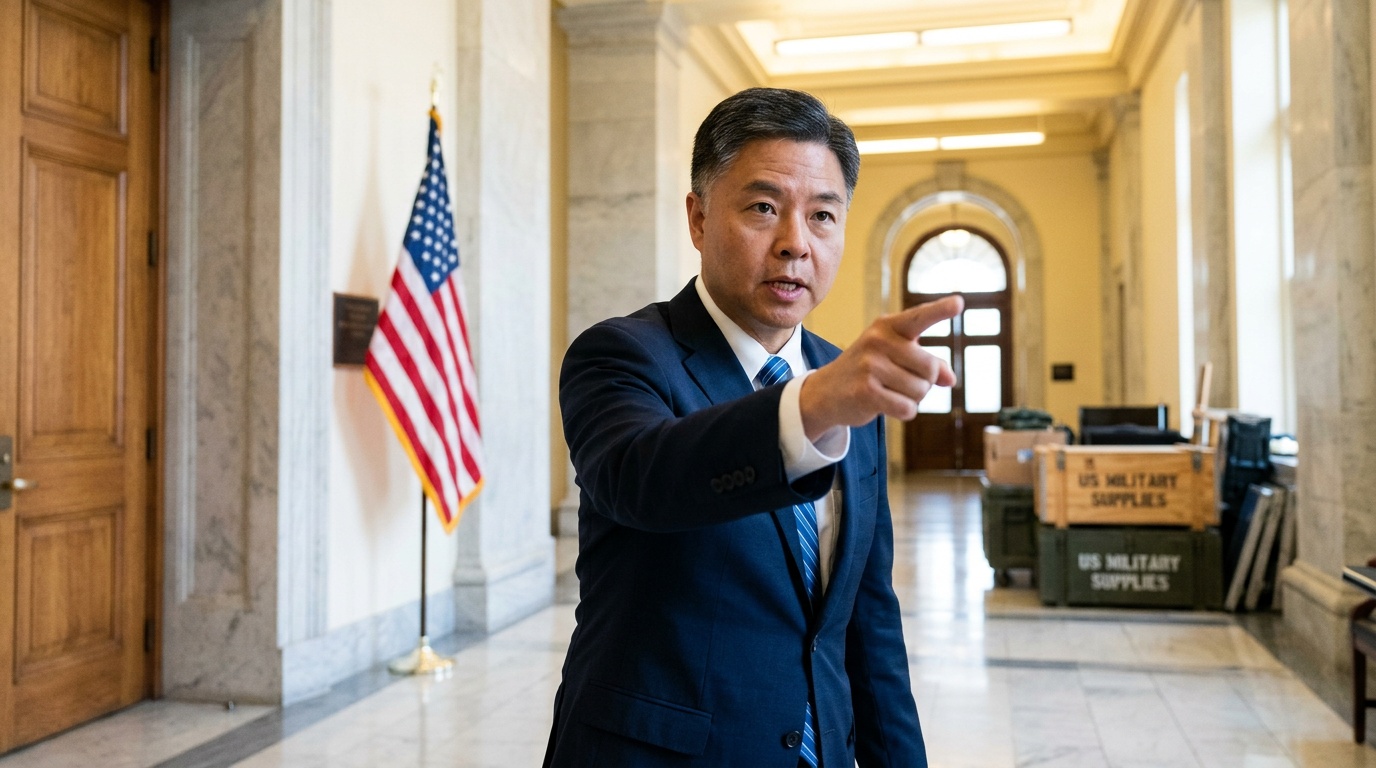
Rep. Ted Lieu (D-Calif.) is not buying the administration's explanation for why U.S. weapons stockpiles are running low. He says Ambassador to the United Nations Mike Waltz is pointing fingers at the wrong country—Ukraine—when the real culprit is the Iran war.
On Sunday, Lieu took to X to call out Waltz after the ambassador appeared on NBC's "Meet the Press" and suggested that U.S. military aid to Ukraine had strained weapons supplies. Lieu's response was blunt: "Dear @USAmbUN Mike Waltz: You lie."
He backed it up with numbers. "US provided zero THAAD missiles to Ukraine," Lieu wrote, and "far less Patriots to Ukraine than the massive amount used in less than 5 months of the Iran war." His message: stop blaming others and take responsibility for what he called "the disastrous Iran war."
Waltz, for his part, defended the administration's position during the interview. He said the Pentagon inherited depleted stockpiles after years of commitments, including support for Ukraine and operations against the Houthis under the Biden administration. "A lot of stockpiles were depleted not only from what we gave Ukraine over the last however many years, four or five years…but also the ongoing fight with the Houthis," Waltz said.
When pressed on whether the U.S. has enough weapons, Waltz insisted: "The U.S. military has everything that it needs to conduct this campaign as effectively as it needs to be." He also highlighted the military's air and sea superiority during the Iran conflict.
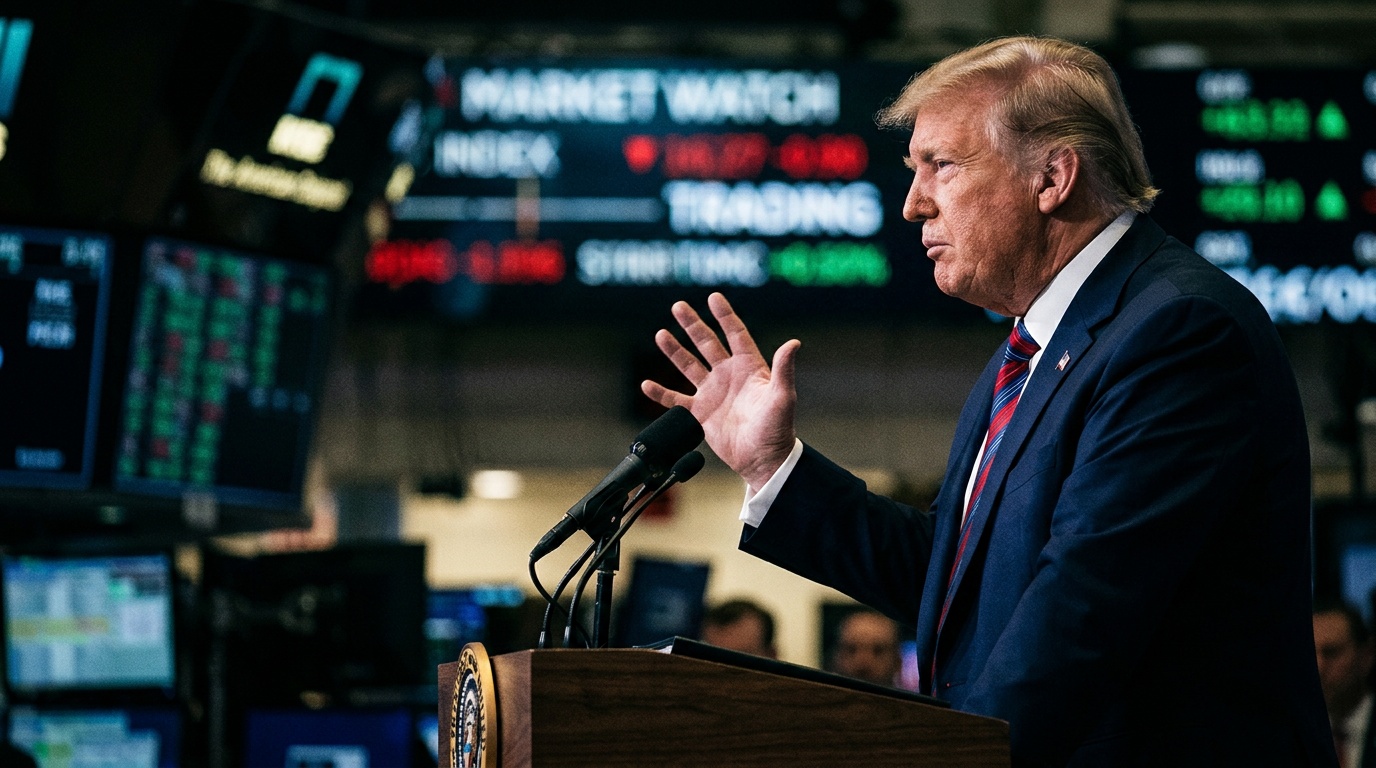
But concerns about munitions are bubbling up beyond political squabbles. Last week, Vice President JD Vance and Joint Chiefs Chairman Gen. Dan Caine reportedly warned President Donald Trump against escalating the Iran conflict, citing worries about stockpile levels and operational risks. The Pentagon also paused a proposed $14 billion arms sale to Taiwan while it reviews inventories to ensure enough supplies for ongoing operations.
Reports of heavy missile and precision weapon use in the Iran conflict have fueled those concerns. Defense Secretary Pete Hegseth pushed back, calling the shortage fears "foolishly and unhelpfully overstated" and insisting the military has enough weapons.
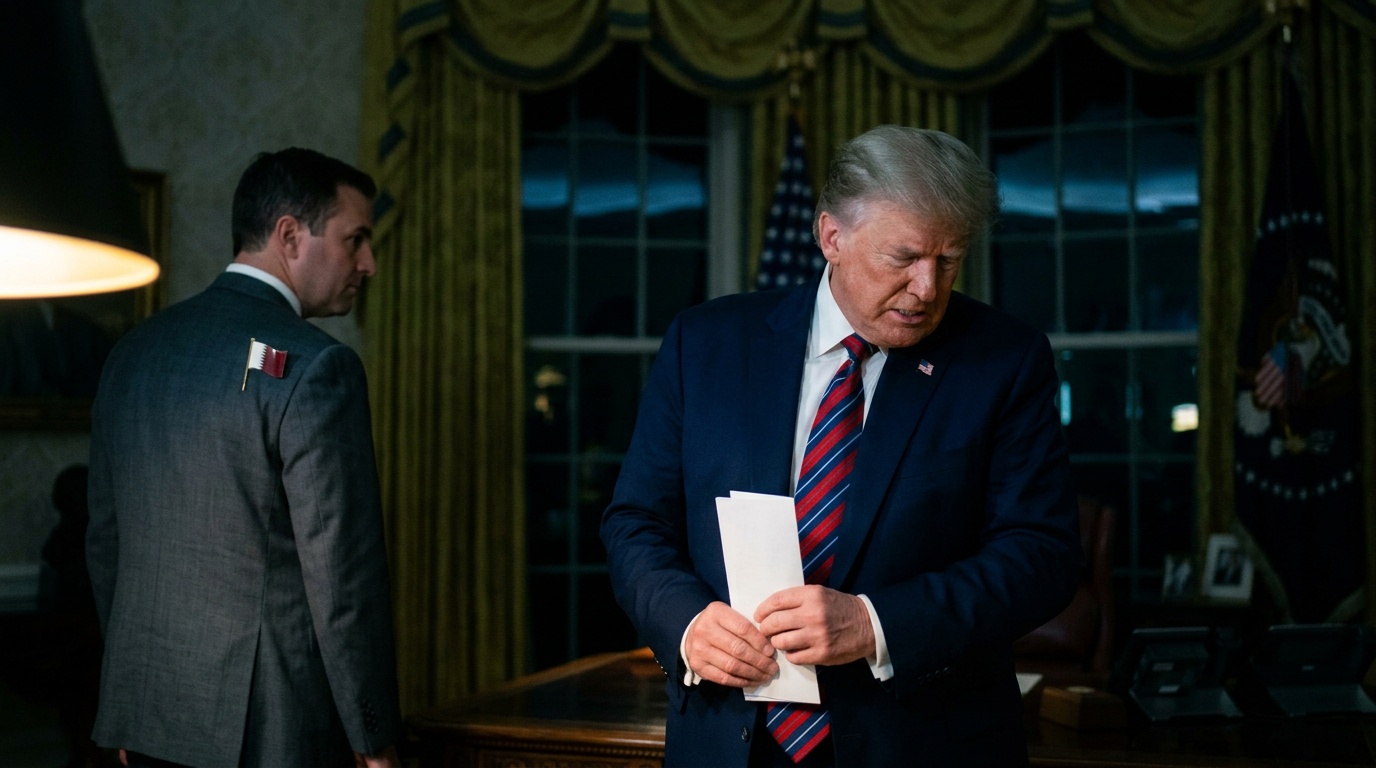
Meanwhile, the U.S. has paused military strikes against Iran as Oman and Qatar work on diplomatic efforts to reduce tensions. Trump halted new attacks after nearly two weeks of strikes, while U.S. and Iranian officials continue discussions.
The debate over who drained the stockpile—Ukraine or Iran—isn't just political theater. It has real implications for military readiness and future conflicts. For now, Lieu's message to Waltz is clear: own the Iran war, don't blame Ukraine.