The escalating tension in the U.S.-Iran war has rattled the global energy market, with supply chain disruptions leading to sharp increases in oil prices throughout markets as uncertainty looms over the Strait of Hormuz.
The same disruption has resulted in unprecedented levels of hikes in gas and diesel prices at pumps across the U.S. Amidst the volatility, GasBuddy analyst Patrick De Haan, in a conversation with MarketDash, said that de-escalation was the only way to lower costs.
Gas Prices Will Rise in the Coming Weeks
Gas prices could continue rising for the next week or two and could see a 5-15 cent rise in prices, De Haan said when asked what consumers could expect in the immediate future.
"Beyond that, it’s contingent on any developments between the U.S. and Iran," he said. He also added that Ukrainian attacks on Russian oil refineries had become "far more impactful." He then said that de-escalation on either front could result in lower prices.
The Ukrainian attacks also caused Russia to block diesel exports, putting pressure on oil supply, De Haan said. He added that "refining capacity going offline" for one of the world’s "largest energy producers is problematic, whether in Russia or China or the United States."
De Haan also pointed to the "intertwined" nature of the global economy as one of the reasons why Russia’s refinery woes could spike fuel prices.
Notably, the U.S. national average price of gas crossed $4 this week, with the price on Saturday at $4.110/gallon of gas, while the national average price of diesel was $5.2780/gallon, according to data from the American Automobile Association (AAA).
US SPR Will Continue Falling
The U.S.’s Strategic Petroleum Reserve (SPR), which fell to its lowest level since 1983, according to the analyst, is "guaranteed" to continue falling until at least late August. De Haan said that the SPR would likely be in the "ballpark of 280 million barrels" by the end of August.
De Haan said that if the "geopolitical situations continue to unravel," it could put the U.S. in a "predicament," and if the SPR falls further, it would mean the White House has "one less tool to address the higher prices."
Trump Cannot Direct Oil Companies to Lower Prices
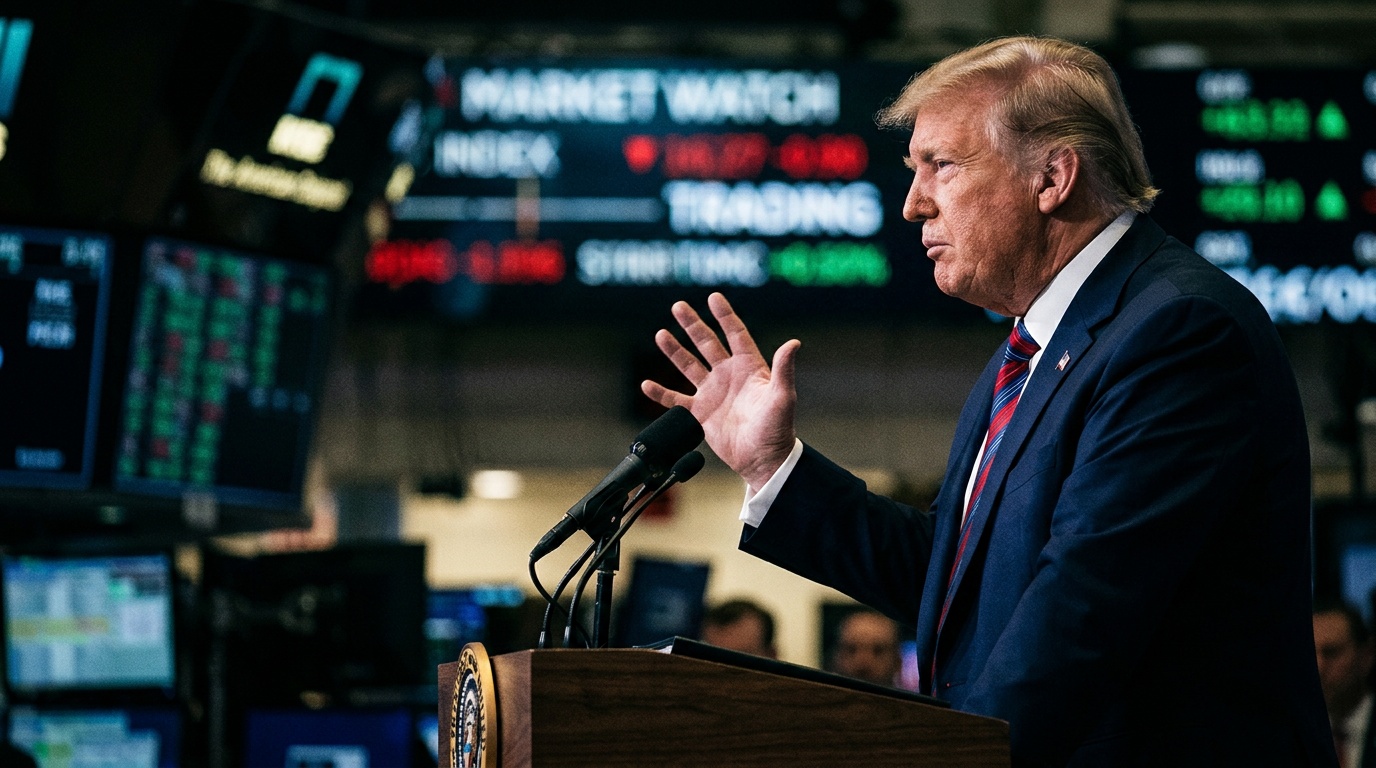
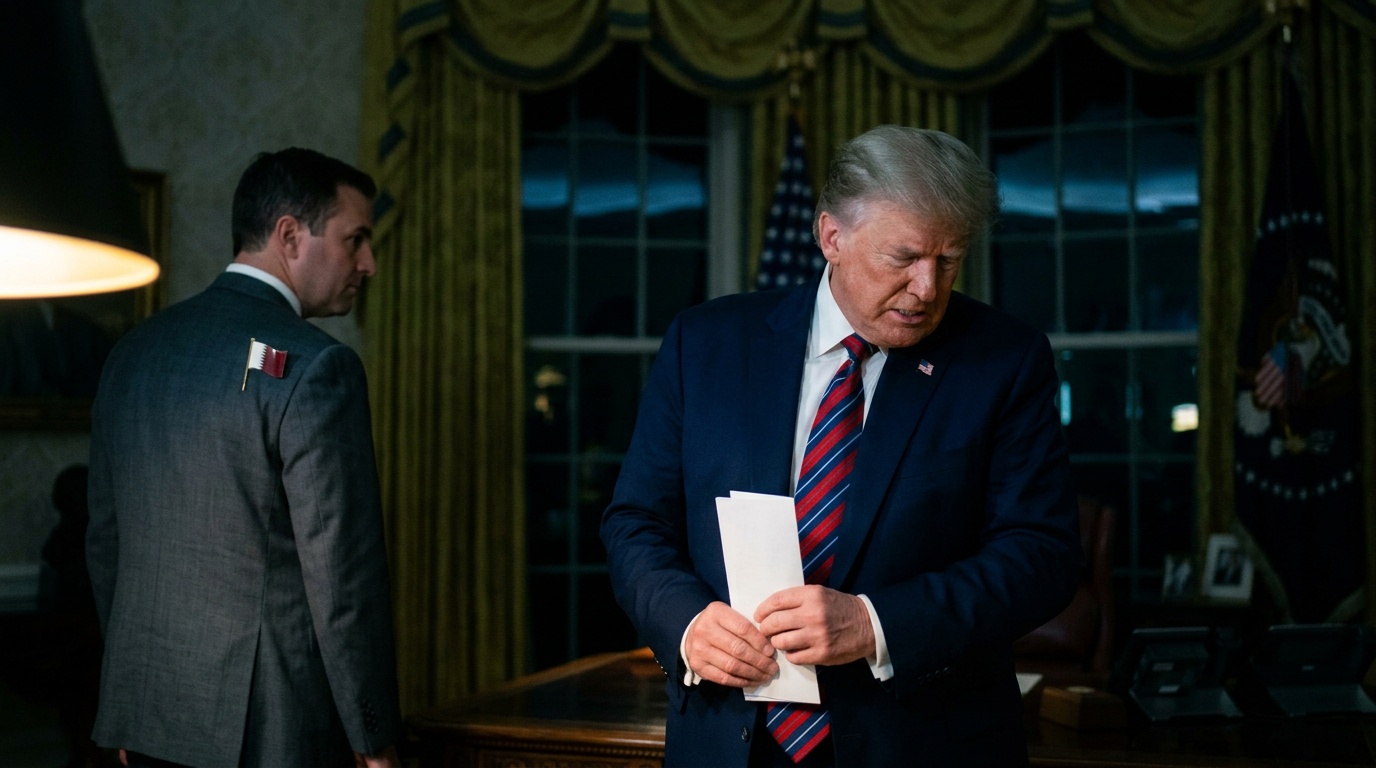
When asked about President Donald Trump’s post directing oil companies to reduce prices at the pump amid the Iran war, De Haan said that the companies themselves do not have the power to lower prices. "Oil is the market, the price of which is determined by a willing buyer and seller," the analyst said.
He then said that the President could "ask me to sell my home for less than what it is worth, but I’d be resigned to selling it below market value, just like oil companies are likely resigned to not wanting to sell oil at a manipulated and ultimately, lower price," De Haan said.
"The President apparently subscribes to the belief that it can be controlled, but it can’t," he added, saying that oil companies were "beholden" to shareholders. He also said that oil companies could choose to build new projects, but such a step would take years to bear fruit.
De Haan reiterated that the only solution for surging gas prices was to reach a "resolution" of the geopolitical situation to create a long-term impact. "Something broke the balance of supply and demand and you have to fix that very problem to address it," he said, adding that any other steps would be "artificial" and "short-lived."