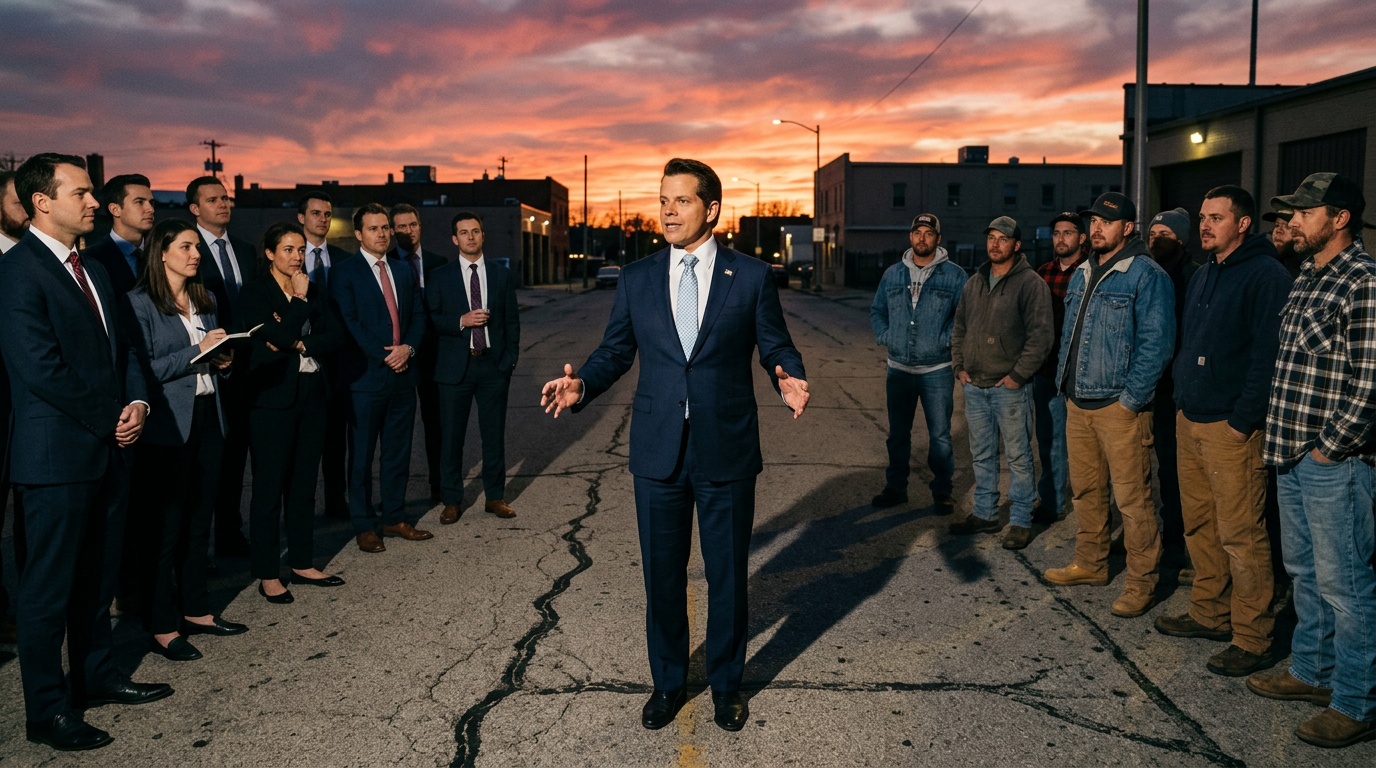
Former White House communications director Anthony Scaramucci sees a country pulling apart at the seams. In a post on X Saturday, he laid out a stark vision: the U.S. isn't one nation anymore, but two — and the next political winner will be the one who can talk to both.
"There are really two Americas right now, and whoever can speak to both of them wins," Scaramucci wrote. "There's the establishment America and there's the populist America."
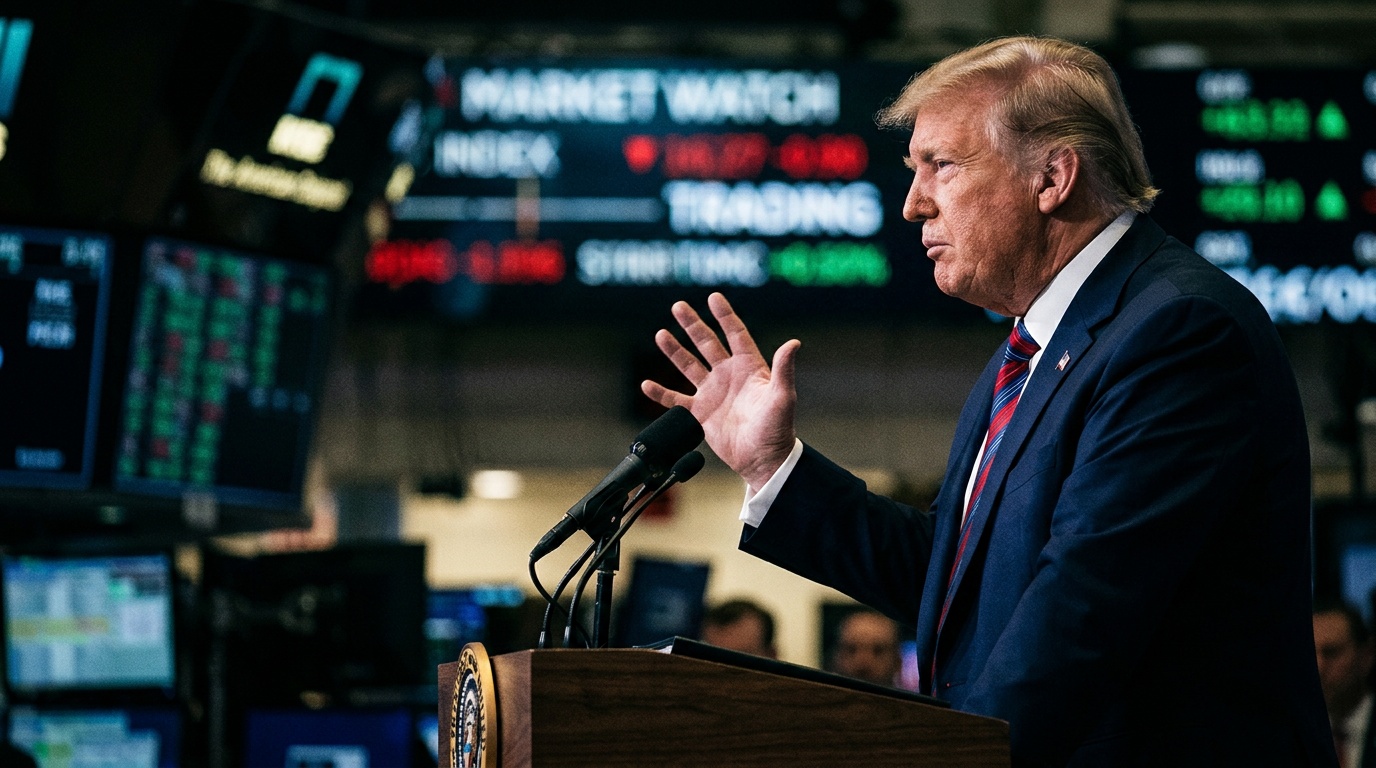
He pointed to the roughly 80 million Americans who voted for Donald Trump in the last presidential election as evidence of widespread dissatisfaction. "There are 80 million people in this country that are very dissatisfied with establishment America," he said in an accompanying video.
Scaramucci didn't just diagnose the divide — he offered a prescription. The politician who succeeds, he argued, won't be the one who picks a side, but the one who acknowledges voters' anger. "I got that you're unhappy. I got that. We screwed you with the inflation and we screwed you with our bad policies," he said, describing the kind of message he believes voters want to hear.
He also took aim at Republicans, suggesting that some voters feel promised economic change but instead saw policies that funneled money to the wealthy. "There's a whole big funnel of money that goes into the system. That's very unfair to you," he said.
Scaramucci's comments come as other prominent voices also highlight economic inequality. Hunter Biden and Sen. Bernie Sanders (I-Vt.) have both weighed in recently. Biden said the country was not naturally divided but was being pushed apart by powerful groups benefiting from political conflict. He called for a "New New Deal" focused on healthcare, affordable housing, and reducing military conflicts, while also proposing that Americans receive a share of wealth generated by artificial intelligence.
Sanders, meanwhile, criticized the economic system last week, saying "billionaires get richer while working families struggle." He called for a grassroots movement to address inequality and criticized Trump's "Big Beautiful Bill," arguing it benefited wealthy Americans while reducing healthcare access for millions.
The message from all three is consistent: the political system feels broken to many, and the next leader who can credibly promise to fix it — without just serving one faction — could have a shot at winning over a frustrated electorate.