The Saudi-led coalition fighting in Yemen launched airstrikes on Saturday against Houthi targets, responding to a barrage of missile attacks that rattled Saudi Arabia's Red Sea coast and sent energy markets into another round of jitters.
The coalition's Joint Forces Command said it hit "legitimate military targets" used by the Iranian-backed Houthis to threaten commercial vessels in the Red Sea. Yemen's government air force also joined in, striking Houthi missile and drone launch sites, according to Al Jazeera English.
Early Saturday morning, Saudi authorities issued emergency alerts for Jazan, a city near the Yemeni border, and Yanbu, a critical port on the Red Sea, urging residents to take shelter. The warnings were later lifted, but the message was clear: the conflict is no longer confined to Yemen's borders.
The attacks underscore how quickly the war is widening. The Houthis have opened a second front in the broader US-Iran conflict, announcing a blockade of Red Sea shipping routes in retaliation for recent Saudi strikes on the Yemeni capital, Sana'a. That blockade is now starting to bite.
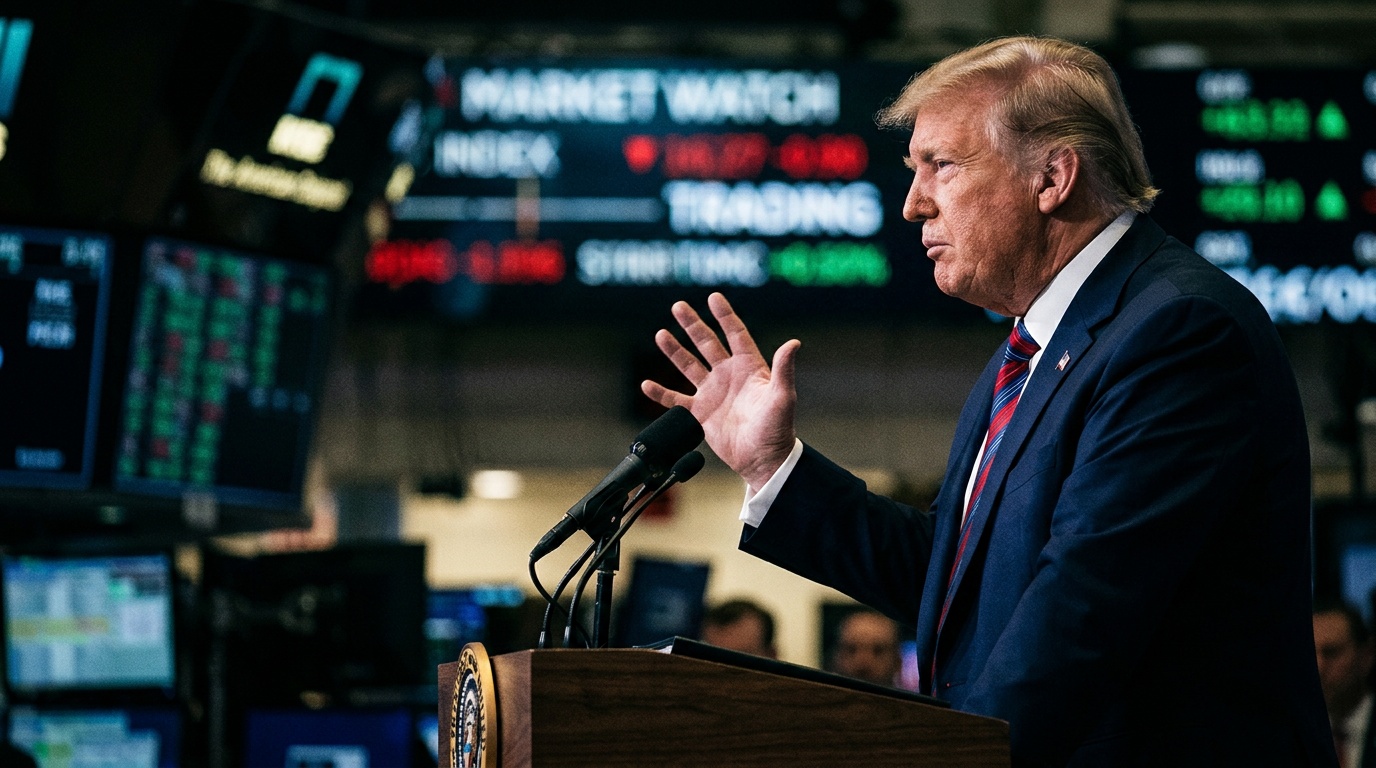
Brent crude closed Friday at $96.78 a barrel, up about 27% in just two weeks. The surge reflects a perfect storm of disruptions: traffic through the Strait of Hormuz is largely paralyzed by US-Iran hostilities, and now the Red Sea—another vital artery for global oil—is under threat.
"Crude prices continue to spiral upward, temporarily breaking back above $100/bbl as the Iran War escalated and the Houthis more directly joined the conflict with a maritime blockade on Saudi Arabia," Rory Johnston, an oil market researcher, posted on X.
Houthis Deepen Involvement in War
Any disruption to Saudi Arabia's Red Sea export routes would likely push oil prices even higher. The US Energy Information Administration (EIA) notes that 12% of world oil shipments used to transit the Bab el-Mandeb Strait, a narrow 100-kilometer (62-mile) waterway between Yemen and the Horn of Africa.
The Houthis claimed responsibility for Saturday's missile attacks, with military spokesman Yahya Saree saying the group launched two "sensitive operations" against Saudi Arabia and vowing that a "blockade for a blockade" policy will continue.
The choice of targets was no accident. Jazan is home to an oil refinery with a capacity of 400,000 barrels a day. Yanbu is a strategic Red Sea port that has become Saudi Arabia's workaround for the Strait of Hormuz. Saudi exports via Yanbu roughly tripled to a record high of about 4 million barrels a day this spring, before easing slightly, according to analysts.
In other words, the Houthis are going after the infrastructure that keeps Saudi oil flowing when the Hormuz route is blocked.
Vessels Turn Back
The blockade is already having real-world effects. A Greece-flagged very large crude carrier (VLCC) that signaled "Suez for orders" stopped short of the Gulf of Aden on Wednesday, according to Windward, a maritime intelligence company. After a 12-hour pause, it now appears to be diverting away.
That vessel is one of six tanker diversions Windward has tracked in just two days. A Hong Kong-flagged supertanker bound for Yanbu made a U-turn, Bloomberg News reported Saturday, citing shipping data.
Maritime Traffic, a global ship-tracking provider, said Friday that Bab el-Mandeb recorded 49 confirmed crossings, including five sanctioned vessels, 11 shadow-fleet vessels, and four dark transits. Some ships that had previously reversed course later completed their passages, suggesting a mix of caution and determination to keep supply lines open.
The security posture shifted dramatically after a confirmed Houthi attack on a Saudi-flagged tanker on Wednesday, the Joint Maritime Information Center (JMIC) reported Thursday. "The incident demonstrates a renewed willingness and capability by Houthi forces to target specified merchant shipping," the JMIC said.
Saudi-Led Coalition Condemns Houthis
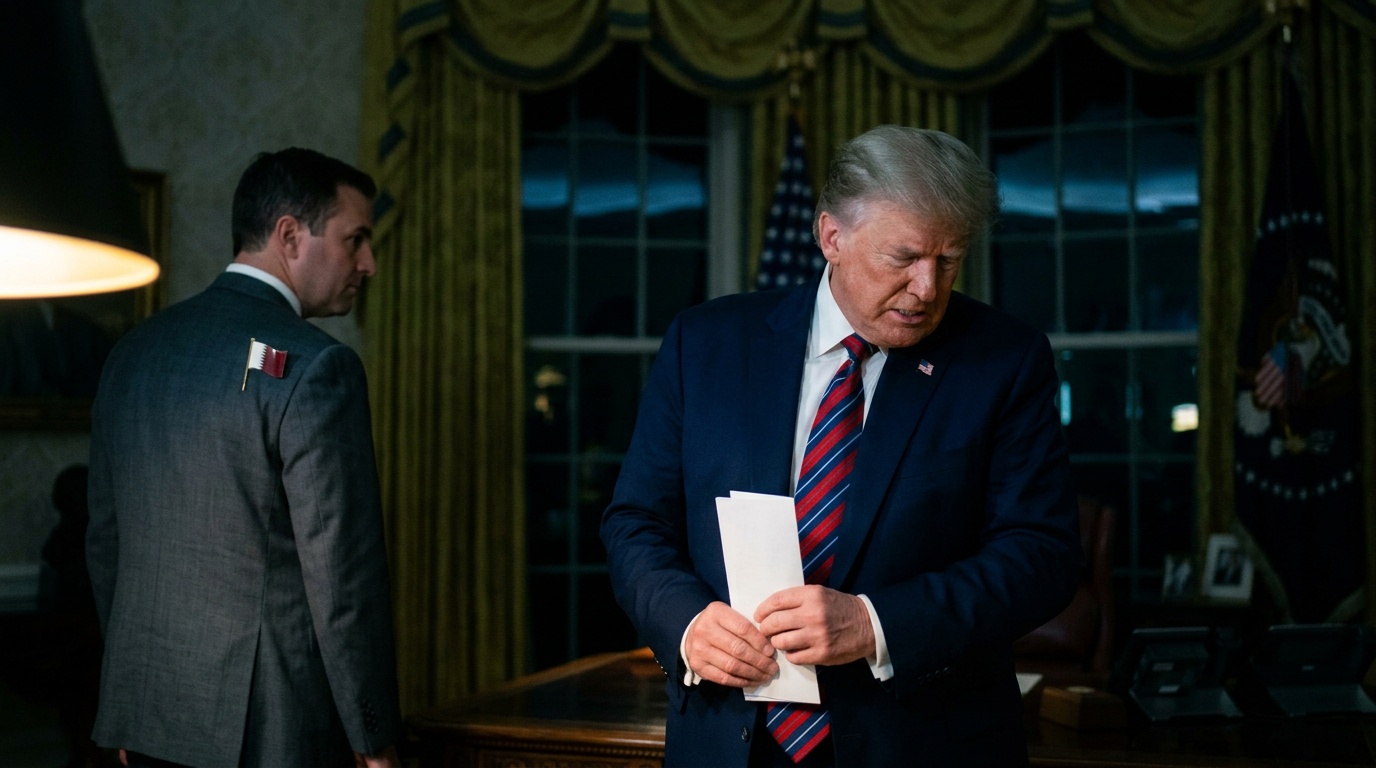
On Thursday, US President Donald Trump said he would hold Iran responsible for further Houthi attacks, after the group claimed it had struck Saudi tankers. "If they do this again, the US will hold Iran responsible, in that the Houthis are a Surrogate and/or Proxy of Iran, and major military punishment will be inflicted upon Iran and, of course, the Houthis themselves," he wrote on Truth Social.
The Saudi-led coalition denied reports that it had targeted Hodeidah Port in its latest strikes, insisting that all Yemeni ports remain open and operational for commercial vessels carrying food, commodities, oil, and construction materials.
Iran is the main funder and sponsor of the Houthis, though the group is more autonomous than other Tehran proxies like Hezbollah in Lebanon. That autonomy makes the Houthis both unpredictable and dangerous—a wild card in a conflict that is already reshaping energy security across the region.