Iranian Foreign Minister Seyed Abbas Araghchi didn't mince words when he responded to President Trump's latest idea: seize Iran's assets to pay for any future attacks on ships. In a post on X late Thursday, Araghchi called the proposal an "incendiary precedent" and warned that once governments start normalizing confiscation, nobody's assets are safe.
"Ensuing chaos will not be pretty or peaceful," he said.
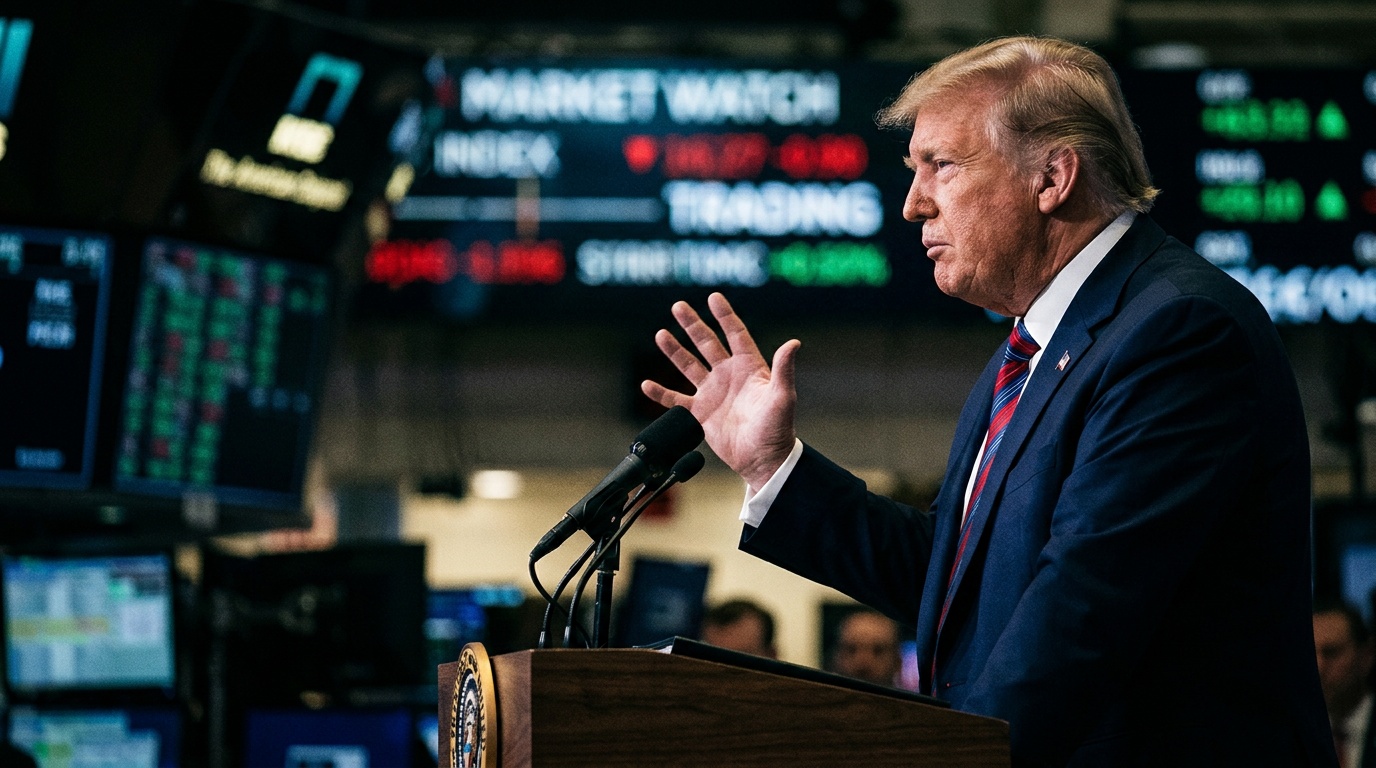
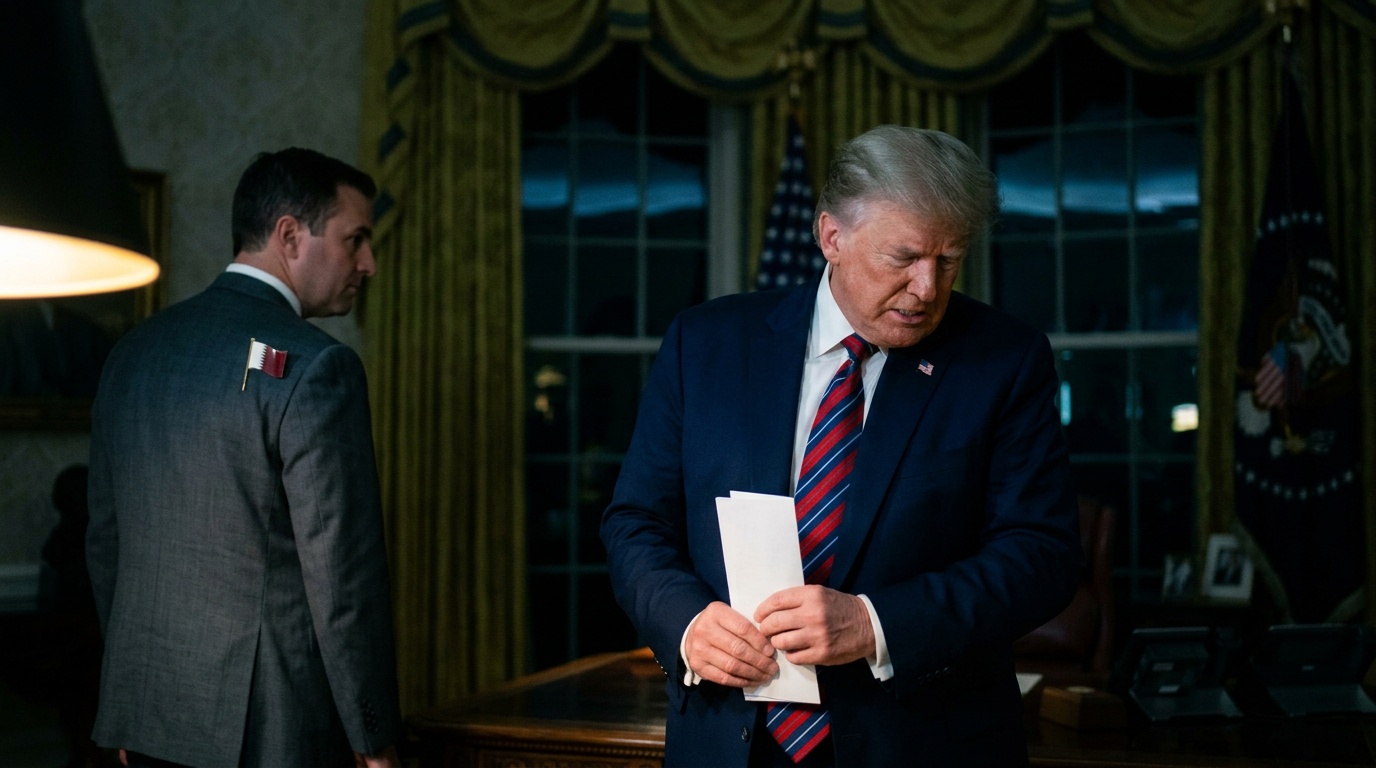
The warning came after President Donald Trump took to Truth Social on Thursday, arguing that Iranian funds held by the U.S. should be used to cover damages to ships and cargo. He called it the "fair and equitable" approach and said the policy should stay in place until further notice, hinting that potential damages could be substantial.
The backdrop here is escalating military action. U.S. forces have now launched a 13th straight night of strikes on Iranian military targets, aiming to curb threats from Iran's Islamic Revolutionary Guard Corps (IRGC) to commercial shipping. Meanwhile, Yemen's Houthis claimed drone and missile attacks on two Saudi oil tankers in the Red Sea, and Trump warned of severe military action, blaming Iran for any future attacks.
This isn't the first time the U.S. has frozen Iranian assets. Since the 1979 hostage crisis during the Islamic revolution, the U.S. has held onto an estimated $100 billion in Iranian funds, according to Al Jazeera. In June, the U.S. and Iran actually agreed to a 14-point ceasefire that included reopening the Strait of Hormuz and releasing those frozen assets. Point 11 of the memorandum of understanding stated that the "United States of America undertakes to make fully available for use the frozen or restricted funds and assets of the Islamic Republic of Iran." But that deal collapsed weeks later after renewed Iranian attacks on ships and U.S. retaliatory strikes.
Araghchi's point is simple: if the U.S. can seize Iran's assets for future claims, what's stopping other countries from doing the same? It's a slippery slope that could make global finance a lot messier. As he put it, "Those who celebrate or profit from such funds should remember: once governments normalize confiscation, no one's assets are safe."
Image via Shutterstock