U.S. intelligence agencies are digging into a troubling question: Did Russia help Iran target CIA facilities with drones?
According to a Reuters report on Thursday, at least two CIA facilities — including the CIA station at the U.S. Embassy in Riyadh, Saudi Arabia, and another site in eastern Iraq — were struck by Iranian drones in March. Sources say additional CIA sites may also have been hit, though officials won't confirm exact locations or numbers, citing national security.
The investigation intensified after Iran's ballistic missile strike on a U.S. base in Jordan over the weekend killed two American soldiers. Now, the focus is on whether Russia provided targeting intelligence or advanced drone technology to make those strikes possible.
Specifically, Russia may have supplied Iran with the Kometa-M satellite navigation system, which experts say is more precise and harder to jam than Iran's domestic technology. That system could have been used to improve the accuracy of Iran's Shahed-136 drones — the same type of drone Russia has used extensively in Ukraine.
Analysts are split on whether the strike on the CIA facility in Riyadh was intentional or accidental. Former CIA official Daniel Hoffman said Russian assistance would be consistent with Moscow and Tehran's shared goal of weakening U.S. influence. The CIA did not immediately respond to requests for comment.
Crypto Fuels Drone Supply Chain
In March, a Chainalysis report found that Russia- and Iran-linked actors are increasingly using cryptocurrency to buy commercially available drones and restricted components. By using direct payments and third-party e-commerce platforms like Alibaba Group Holding Limited (BABA), they can bypass export controls more easily.
Earlier, European officials said Russia had begun supplying Iran with upgraded Shahed-type drones refined during the war in Ukraine, reinforcing Ukrainian President Volodymyr Zelenskyy's claims that Moscow is transferring advanced drone technology to Tehran. While the scale of the deliveries remains unclear, the move has raised concerns about Iran's military capabilities and the broader security balance in the Middle East.
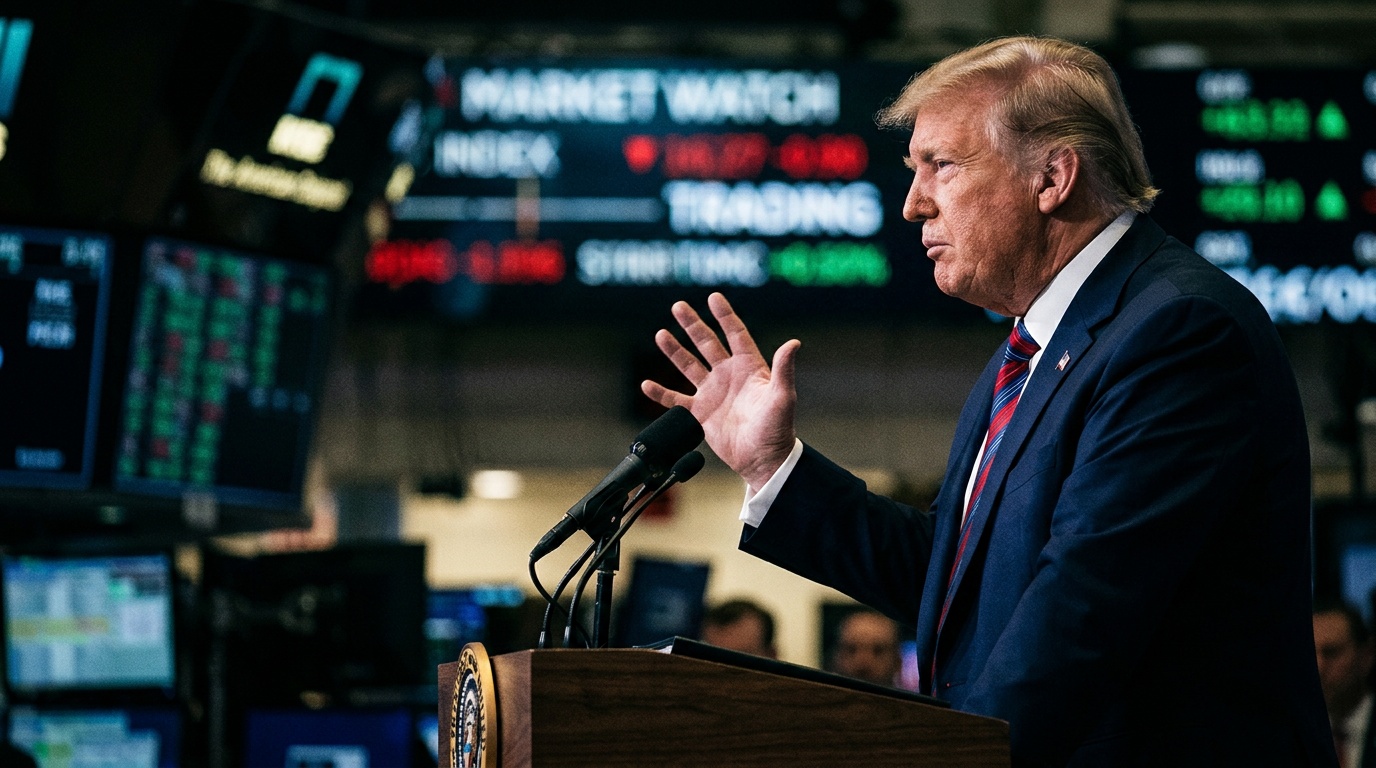
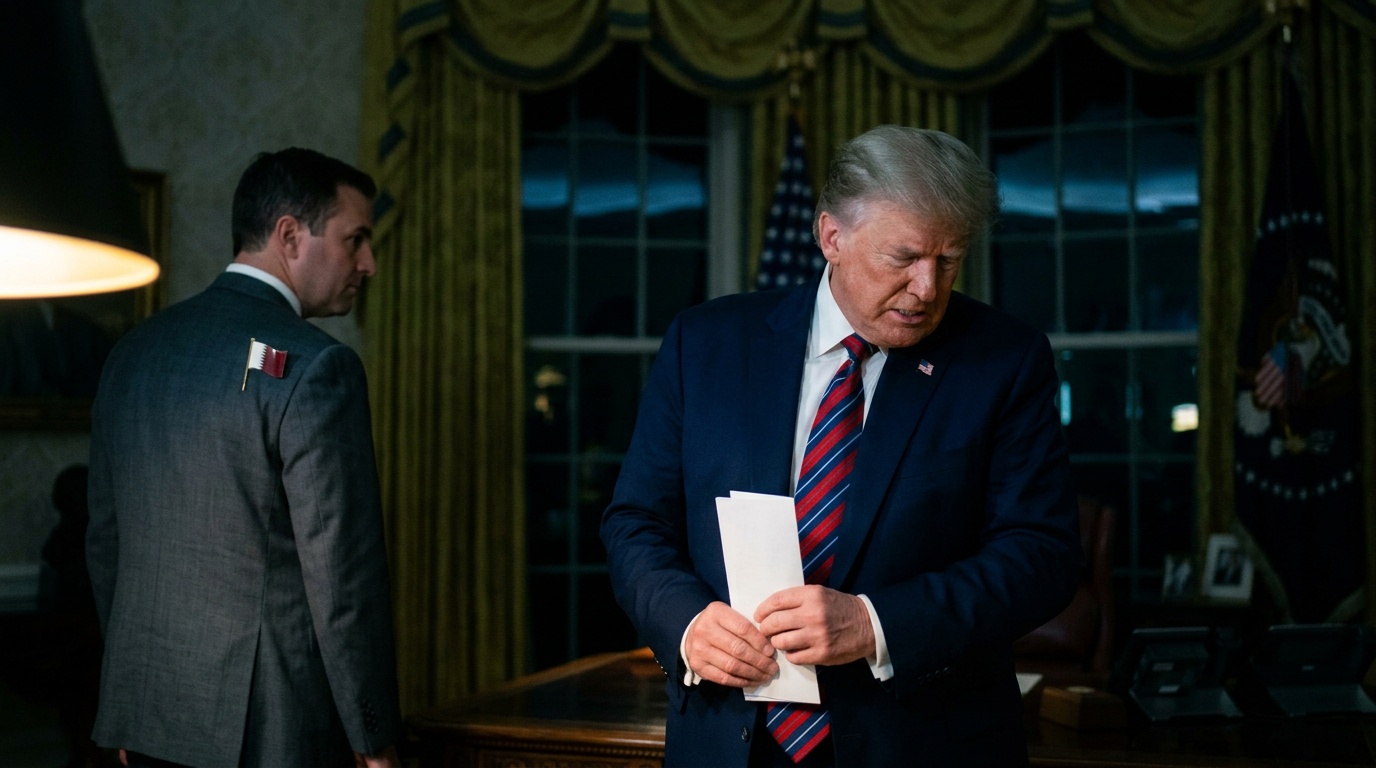
Notably, in June, President Donald Trump praised Chinese President Xi Jinping and Russian President Vladimir Putin for their neutrality during the conflict with Iran, saying they didn't hinder his attempts to restrain Iran's nuclear ambitions. Trump said, "I want to thank China, President Xi. I was with him, and he stayed neutral, totally neutral, and I appreciate it." He also thanked Putin, stating, "he was very neutral. They could have made it much more difficult for us."
Disclaimer: This content was partially produced with the help of AI tools and was reviewed and published by MarketDash editors.
Image via Shutterstock