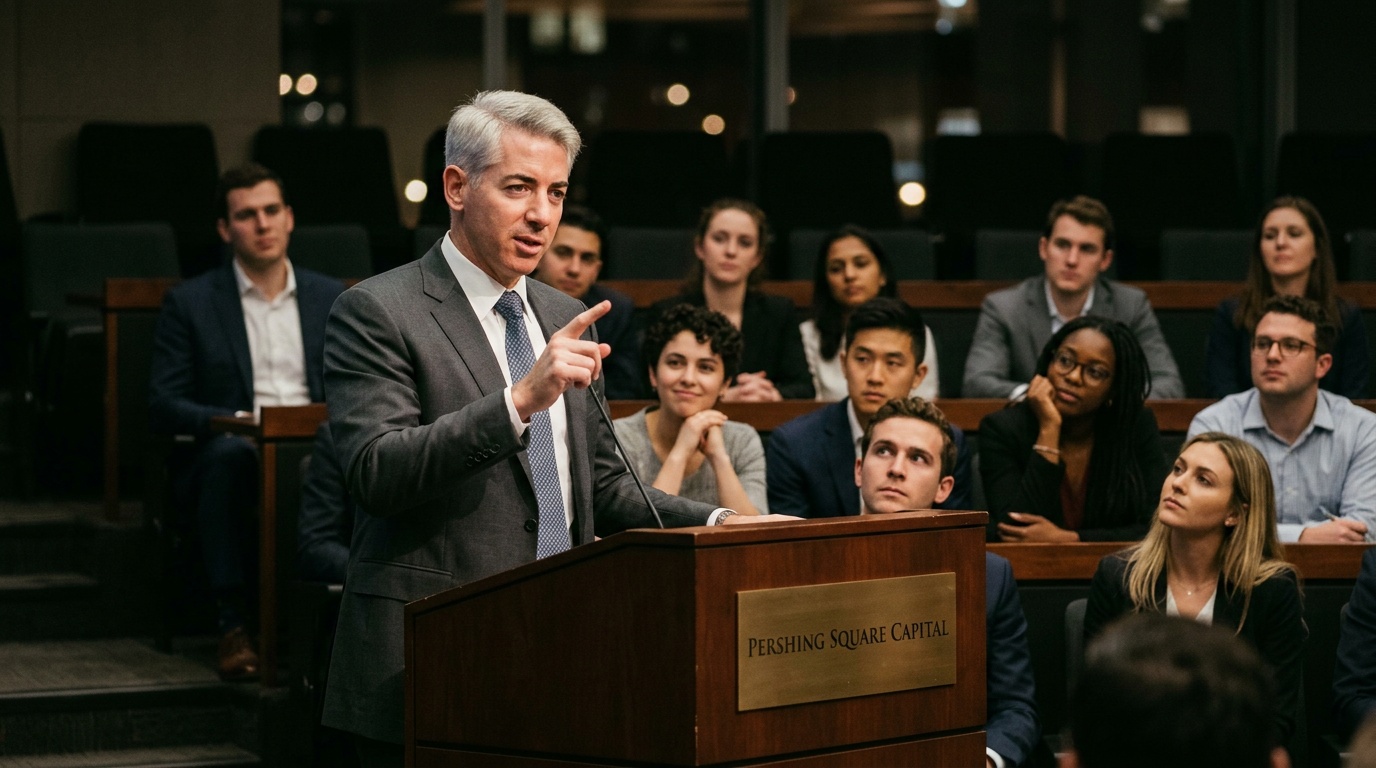
Billionaire investor Bill Ackman took to X on Sunday to argue that the U.S. needs a serious immigration overhaul. His main point: it “makes no sense to educate” the world’s best and brightest at federally subsidized universities only to send many of them packing afterward.
Ackman said the U.S. should be admitting top creators so they can build businesses and create economic value on American soil. Instead, the current system works against that goal. “We need to fix our immigration policy so we can admit the creators so they can build on American soil and create value here,” he wrote.
His comments were sparked by a post from a senior scientist at Baidu Inc. (BIDU), who described how U.S. immigration restrictions forced him to turn down an offer from Stanford University and pursue his doctorate at Oxford instead. The scientist, born in China, later qualified for an EB-1A “extraordinary ability” green card but remains stuck in a country-specific backlog. Meanwhile, he’s getting recruitment offers from China with high salaries, housing, and research funding.
That story highlights a broader issue: the U.S. immigration system places annual caps on employment-based visas and green cards, leaving skilled workers from countries like India and China waiting years for permanent residency. Ackman’s Sunday post echoed a similar plea he made on Friday, when he called for fast-tracking visas for highly skilled immigrants whose values align with the country’s long-term interests. He also publicly urged immigration officials to help a young woman whose case had gone viral online.
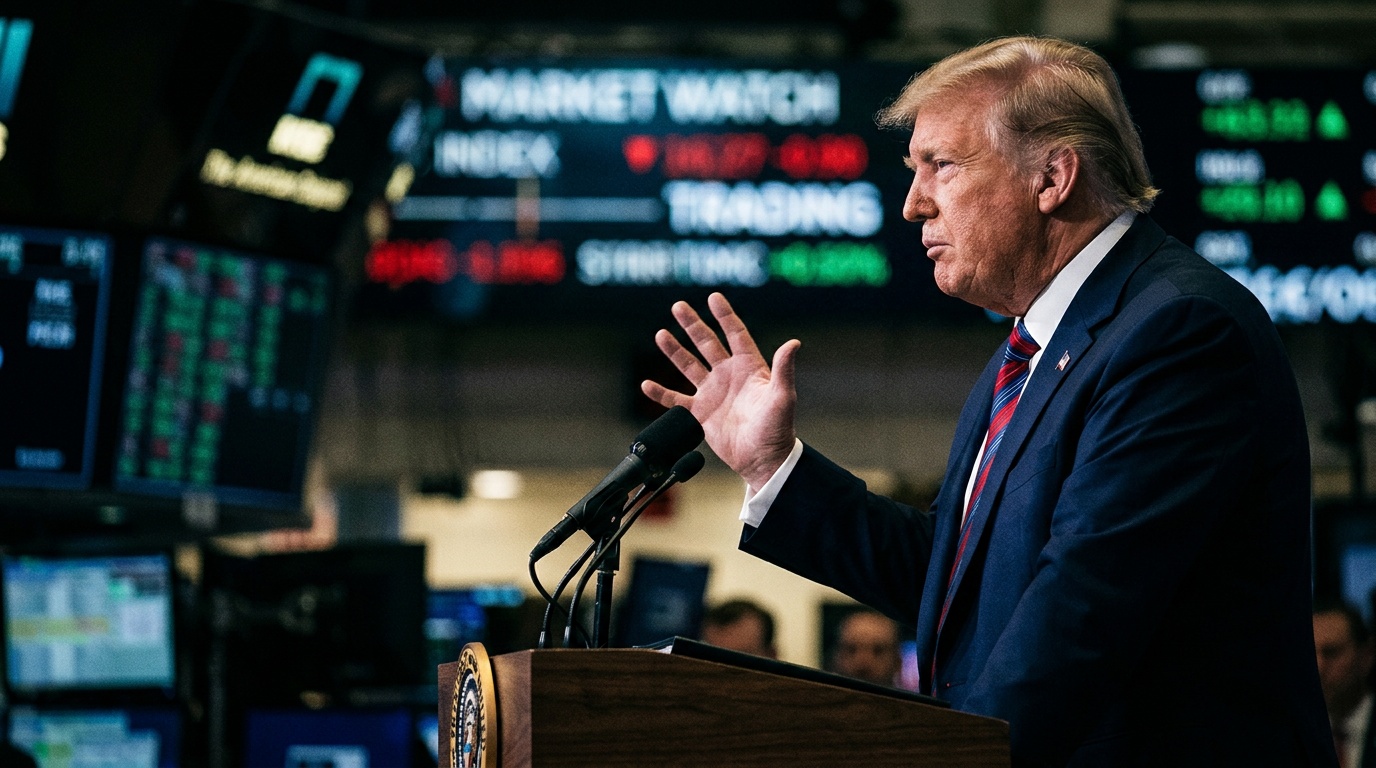
On the policy front, President Donald Trump’s administration is reportedly considering a $100,000 bond for certain green card applicants as part of a broader push to tighten immigration rules and promote immigrant self-sufficiency. That proposal, if implemented, could add another hurdle for skilled workers already navigating a complex system.
Ackman’s argument is straightforward: the U.S. invests heavily in educating top talent—often through federal subsidies—and then effectively exports that talent by making it hard for them to stay. It’s a brain drain that hurts American competitiveness. Whether the $100,000 bond idea helps or hurts that goal is another question, but Ackman’s broader point about fixing the system is hard to ignore.