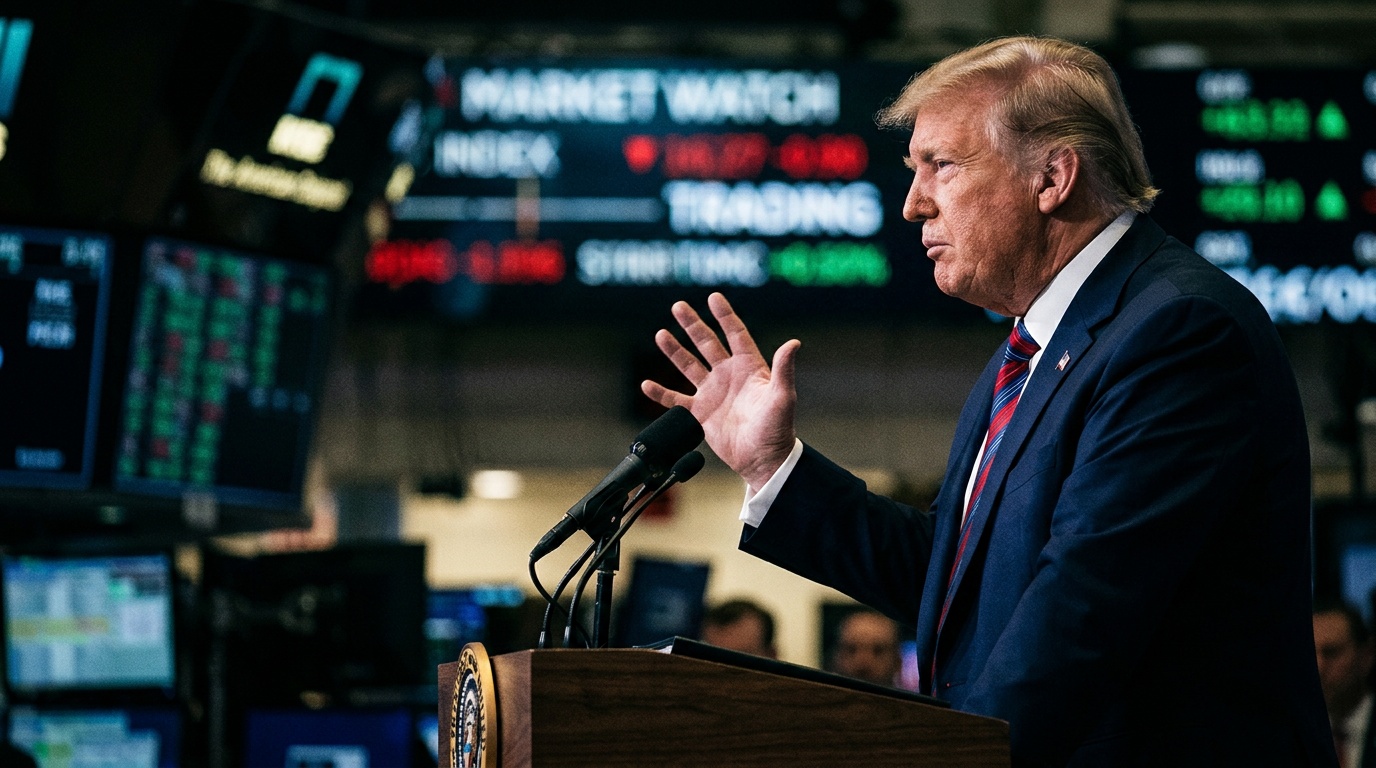
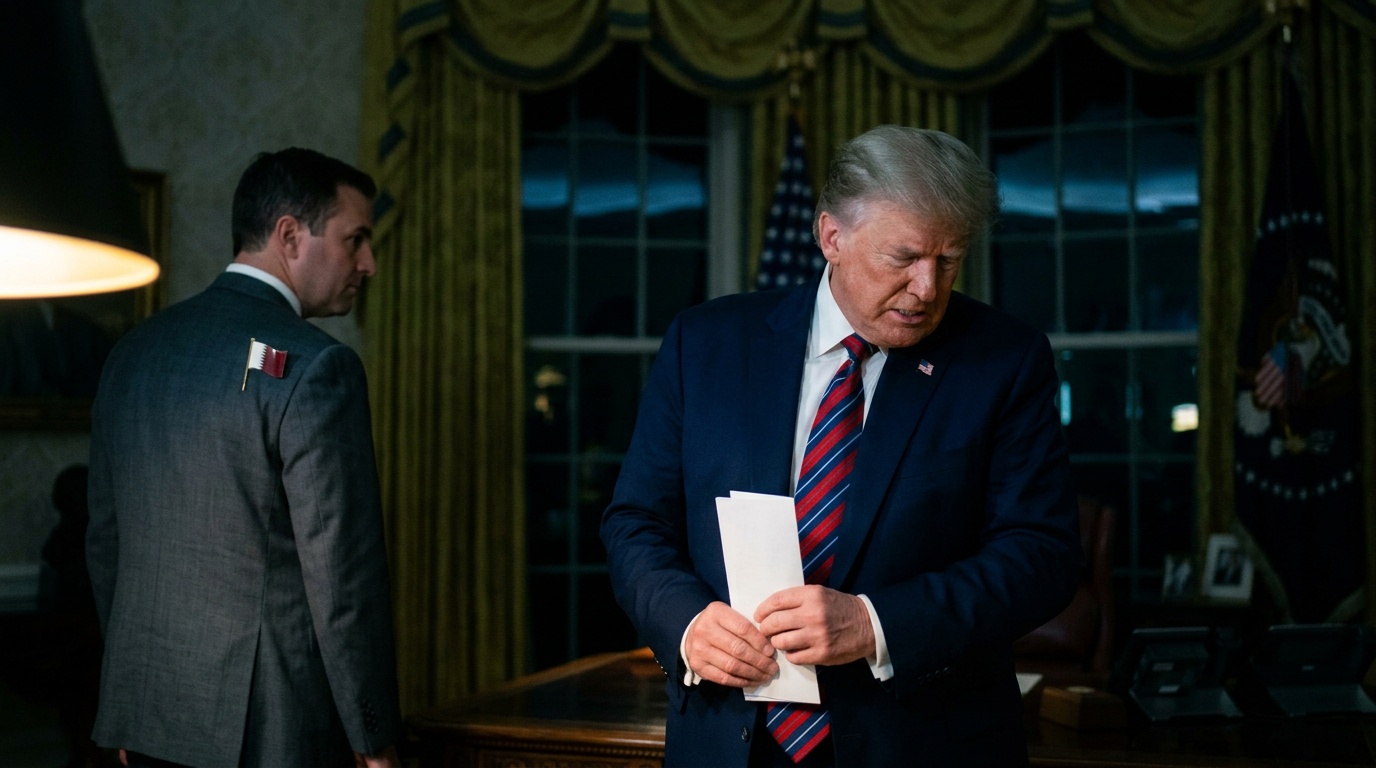
China has forcefully rejected President Donald Trump's allegations that Beijing interfered in U.S. elections, calling the claims baseless and urging Washington to stop the smears.
Foreign ministry spokesperson Lin Jian, during a press conference on Friday, described the accusations as "entirely fabricated, maliciously slanderous and have long been proven completely groundless," according to the South China Morning Post.
Lin reiterated China's long-standing policy of non-interference, stating that the nation "had no interest in meddling in U.S. domestic affairs and had never done so." He then took a pointed jab at the U.S., noting that it is well-known internationally "who routinely interferes in the internal affairs of other countries, conducts long-term, indiscriminate surveillance of governments, businesses and ordinary citizens globally, and steals the data of other countries' citizens on a massive scale."
The foreign ministry called on the U.S. to reflect on its own actions, halt its "baseless smearing" of China, and act in a way that is "more conducive to bilateral relations."
Trump Revives China Election Claims
On Thursday, Trump declassified election files and made fresh allegations of Chinese influence in a primetime address. He discussed alleged election interference in 2020 and launched a dedicated website for the same. Trump also claimed that China paid U.S. journalists to publish negative stories about his administration during his first term.
The speech came two months after Trump met with Chinese President Xi Jinping in Beijing and ahead of Xi's planned September visit to Washington.
These allegations are not new. In 2018, Trump told the U.N. Security Council that China opposed Republican success in the midterm elections because he was the "first" U.S. president to aggressively challenge Beijing on trade. He repeated the claims in 2020.
However, months after Joe Biden's election victory, the U.S. National Intelligence Council concluded that China did not interfere in the 2020 election. The March 2021 assessment found that although China considered doing so, it did not carry out a covert influence campaign. The report distinguished between election influence—such as spreading disinformation or swaying voters—and election interference, which involves directly manipulating voting systems, voter registration, ballot casting, or vote counting.