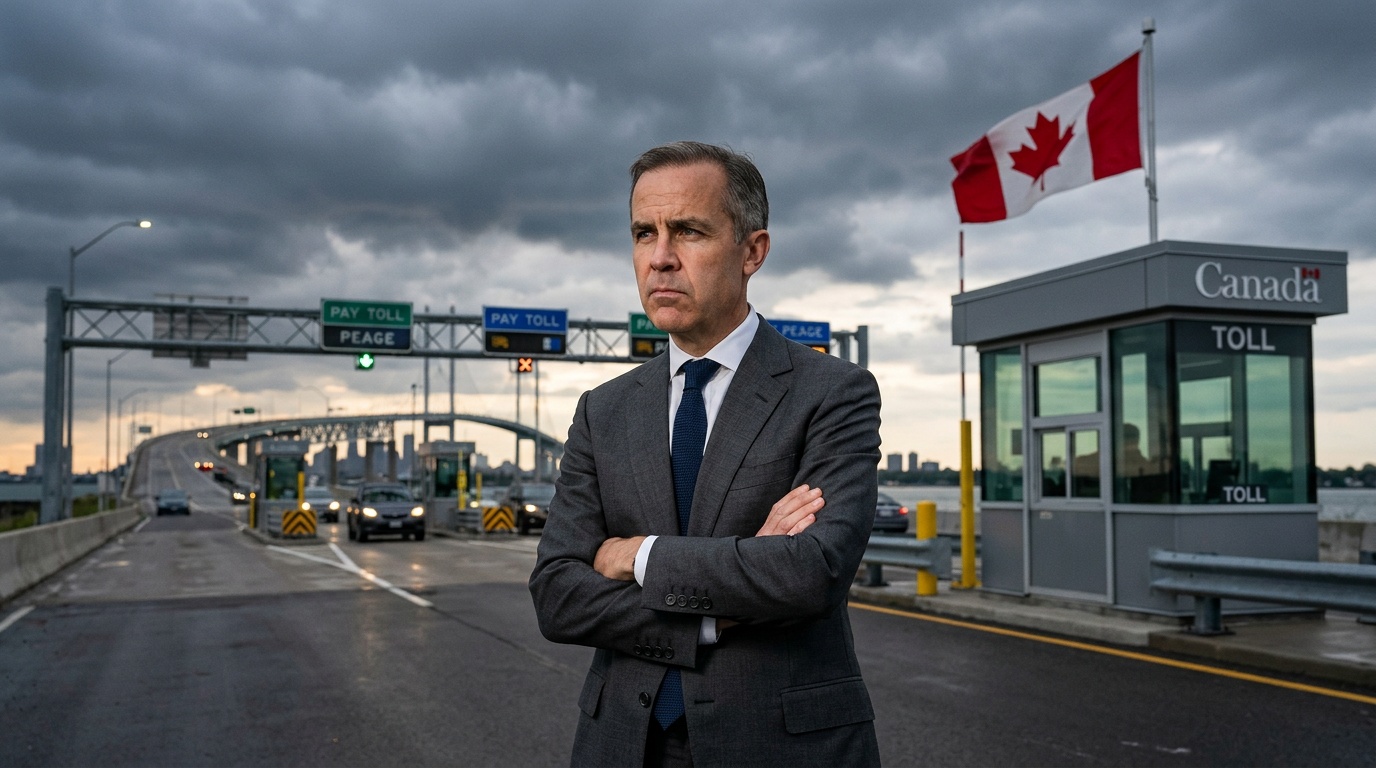
Canadian Prime Minister Mark Carney has a simple message for the U.S. when it comes to the new Gordie Howe International Bridge: you'll get your share of the toll money, but not until Canada gets its money back first.
Speaking at a press briefing on Thursday, Carney made it clear that Canada won't be splitting toll revenues from the $4.7 billion bridge connecting Windsor, Ontario, and Detroit, Michigan, until its initial investment is fully recouped. "Any sharing of the toll revenue won't happen until all of the debt is repaid," he said. Once that debt is cleared, Canada intends to split net revenues with the U.S. for the first 15 years — but that's after accounting for operational costs like maintenance and snow removal. And those early years? Carney noted the net revenue is expected to be "negative to modest" once you factor in those expenses.
This approach actually aligns with the original 2012 agreement between Canada and Michigan, so it's not exactly a new demand. But it's getting fresh attention because the bridge is finally set to open on July 27, after months of uncertainty and political drama.
The two countries recently reached an agreement on toll governance, transparency, and regional investment. Under that deal, the U.S. will get 50% of the bridge's toll revenue and will have veto power over any toll increase exceeding 10% above current rates. But Carney's comments make it clear that revenue sharing won't kick in until Canada's $4.7 billion tab is paid off first.
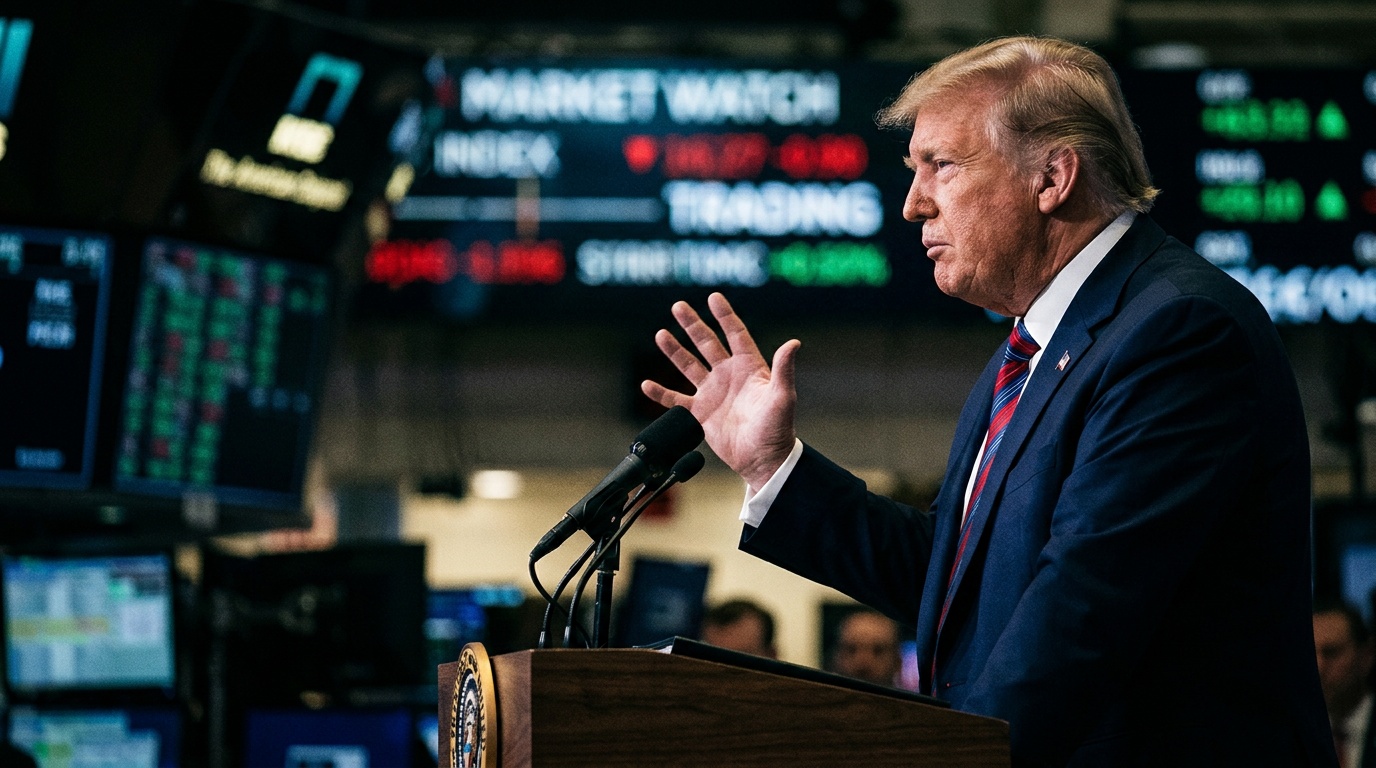
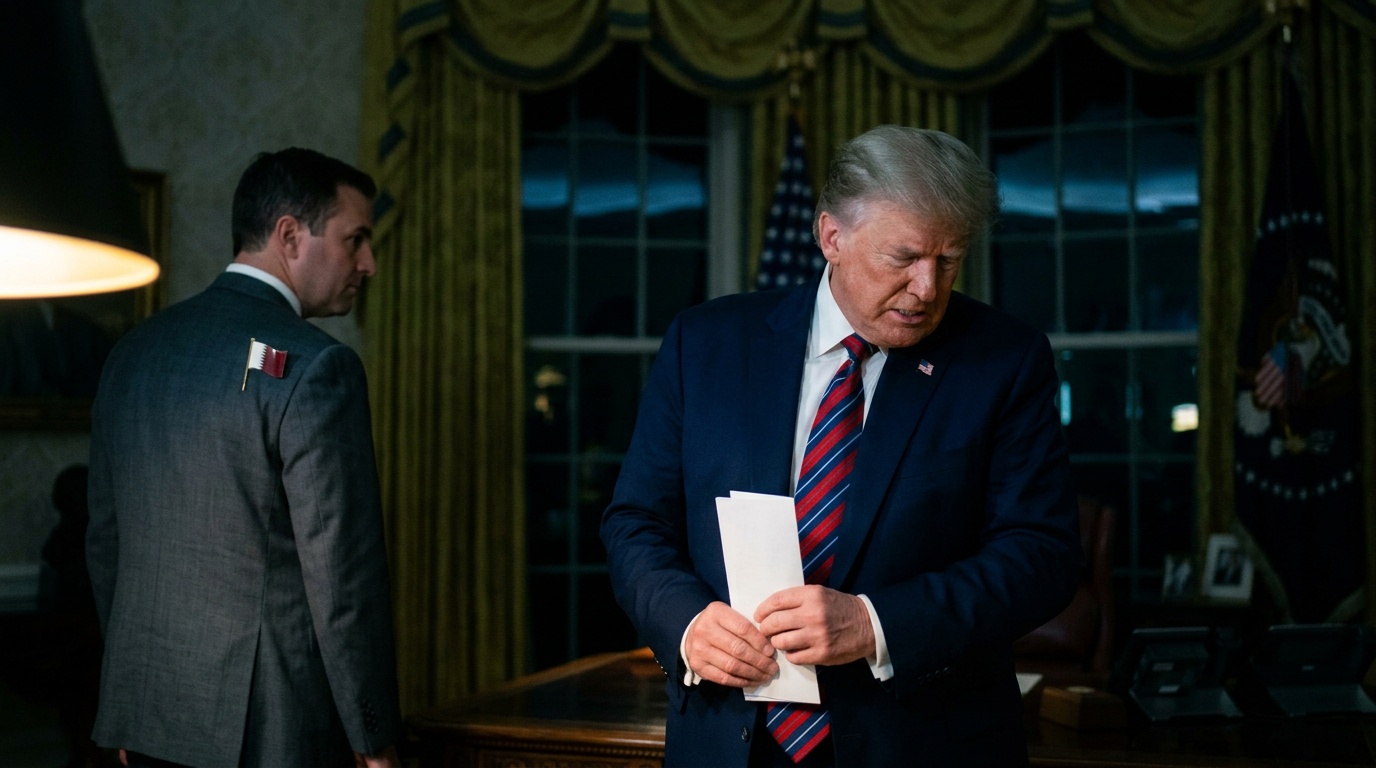
The bridge's opening was originally scheduled for early June but was abruptly canceled amid a dispute between U.S. and Canadian officials. Democrats have accused the Trump administration of delaying the opening to benefit President Donald Trump's billionaire donor Matthew Moroun, who owns the nearby Ambassador Bridge, according to The Guardian. Michigan Republican Senate candidate Mike Rogers, however, said the U.S. expects to reopen the bridge under improved terms, noting that the country has shifted from earning no revenue to generating significant revenue from the arrangement. Critics, including Rep. Rashida Tlaib, allege the delay was intended to protect Moroun's business interests, while the new agreement gives the U.S. greater oversight over bridge toll pricing.
Once revenue sharing does begin, all U.S. portions will be reinvested in economic development. But for now, Canada is holding the tollbooth keys — and the cash.