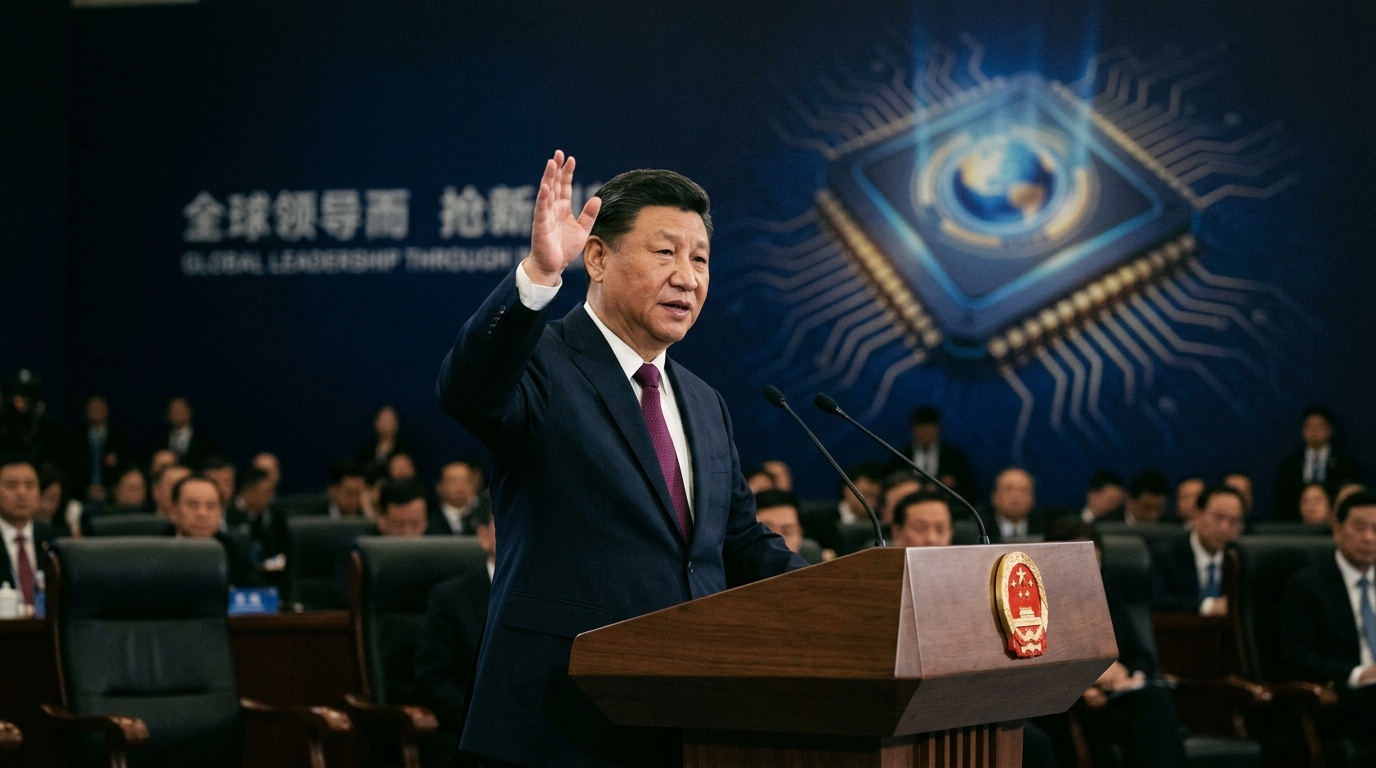
Chinese President Xi Jinping took the stage at the 2026 World Artificial Intelligence Conference (WAIC) on Friday with a clear message: AI development shouldn't be a one-country show. He called for a "symphony of global collaboration" rather than a "solo performance," according to the South China Morning Post.
Xi announced the newly formed World AI Cooperation Organization, which includes 29 countries like Russia, Pakistan, and Indonesia. He also pledged China's support for AI development in developing nations over the next five years, offering 5,000 AI research projects, training programs, seminars, and "cooperation centers." The emphasis was on responsible AI growth guided by "human wisdom" and international consensus.
Xi's appearance at WAIC underscores how central AI has become to China's tech and geopolitical strategy. With the U.S. tightening export controls on advanced semiconductors and limiting access to top-tier AI models, Beijing is pushing hard for technological self-reliance.
That push got a big boost late Thursday when Chinese startup Moonshot AI launched Kimi K3, the world's largest open-source AI model. With 2.8 trillion parameters, Kimi K3 claims to outperform leading U.S. models from Anthropic and OpenAI in some capabilities. Moonshot says it achieves "open frontier intelligence" and is the biggest open-source model yet, surpassing Chinese rivals like DeepSeek's 1.6 trillion-parameter V4 Pro and Zhipu AI's 744 billion-parameter GLM 5 series. (Parameters measure a model's complexity; more generally means more capability.)
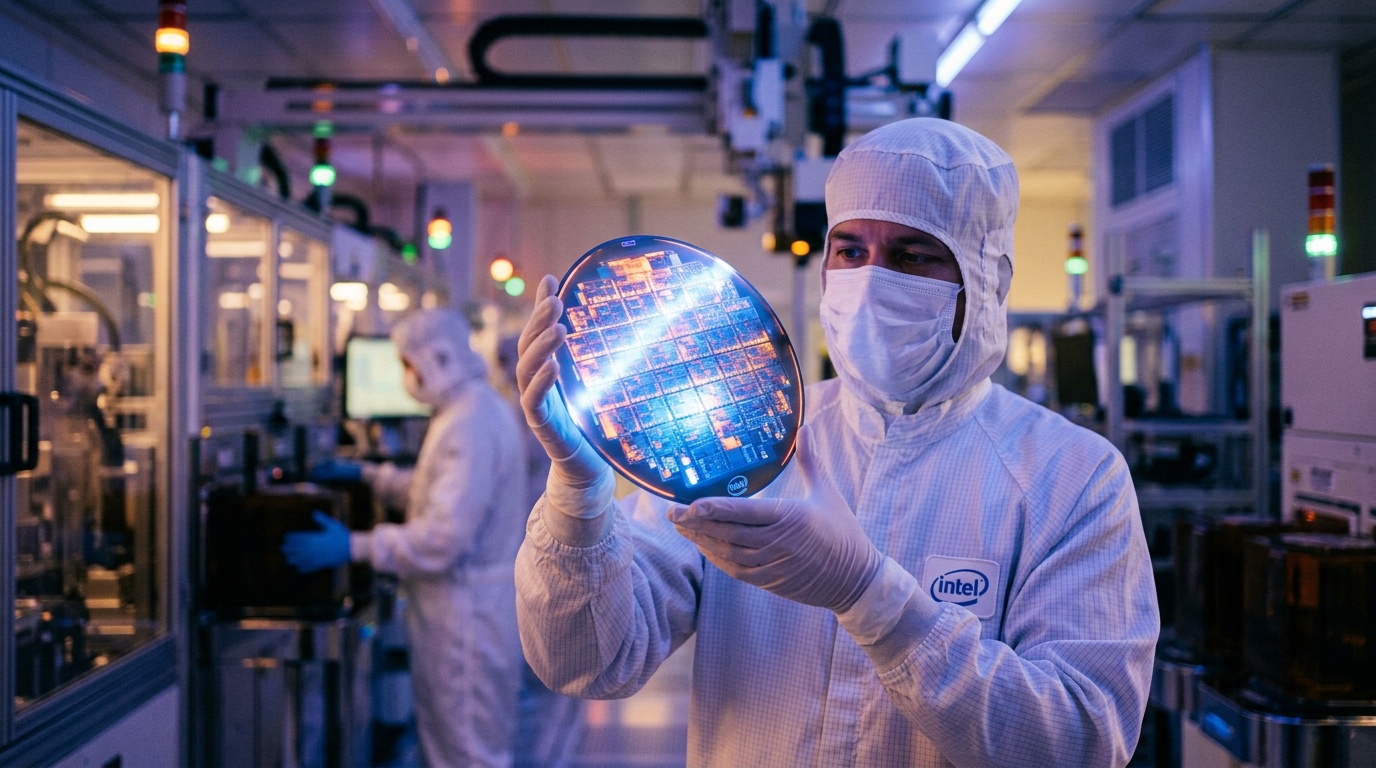
Meanwhile, the U.S. is walking a fine line on technology blockades. Despite political divisions in Washington, Nvidia Corp. (Nvidia (NVDA)) has started shipping its H200 AI chips to China, with the U.S. approving limited exports. Commerce official Jeffrey Kessler told lawmakers that shipments are extremely limited — only a handful so far. But about 10 Chinese companies have been approved to receive advanced AI chips from Nvidia and Advanced Micro Devices Inc. (AMD (AMD)) under strict controls.
So while Xi talks global collaboration, China's AI ecosystem is racing ahead with homegrown models and limited access to American chips. The symphony may be global, but the solos are getting louder.