The annual Rule Symposium in Boca Raton wrapped up July 10, bringing together natural-resource investors and the man who has been doing this for five decades. For host Rick Rule, the conference is a legacy project — a way to repay the mentorship he received from older figures early in his career.
"If I didn't do that myself, I would dishonor the debt I owe to those who taught me," he said in an interview.
What Rule offers isn't a hot tip. He steers investors away from news, hype and emotion toward three measures he trusts: arithmetic, history and long-term structural trends. His thesis is that wealth in cyclical markets isn't won by chasing momentum or forecasting next quarter, but by buying what is hated, outworking rivals and exploiting decades of underinvestment in the world's means of production.
Wisdom, Work and the Contrarian Mindset
Rule's discipline starts with a portfolio rule based on workload capacity. "The average investor should limit the number of stocks in their portfolio to the number of hours per month that they're willing to work studying companies," he said. Ten hours, ten stocks.
Rule can oversee a wider list because he has geologists, engineers and financial analysts. Individual investors, by contrast, must match holdings to genuine analytical capacity. The pillars, he argues, are work, patience and tenacity. Most people fail because they prefer to feel as opposed to think, seeking three-month solutions to five-year problems.
Conviction gets tested by volatility. "In most of the 10-baggers I've enjoyed in my career, I've been exposed to a 50% price decline in the stock while I owned the stock," he said. Surviving that drop requires a data-driven grasp of value versus price.
He also separates the inevitable from the imminent. Many investors, he warns, are "strategically correct and tactically wrong," bailing out because they confuse a long-term macro certainty with short-term timing.
Capitalizing on Structural Underinvestment
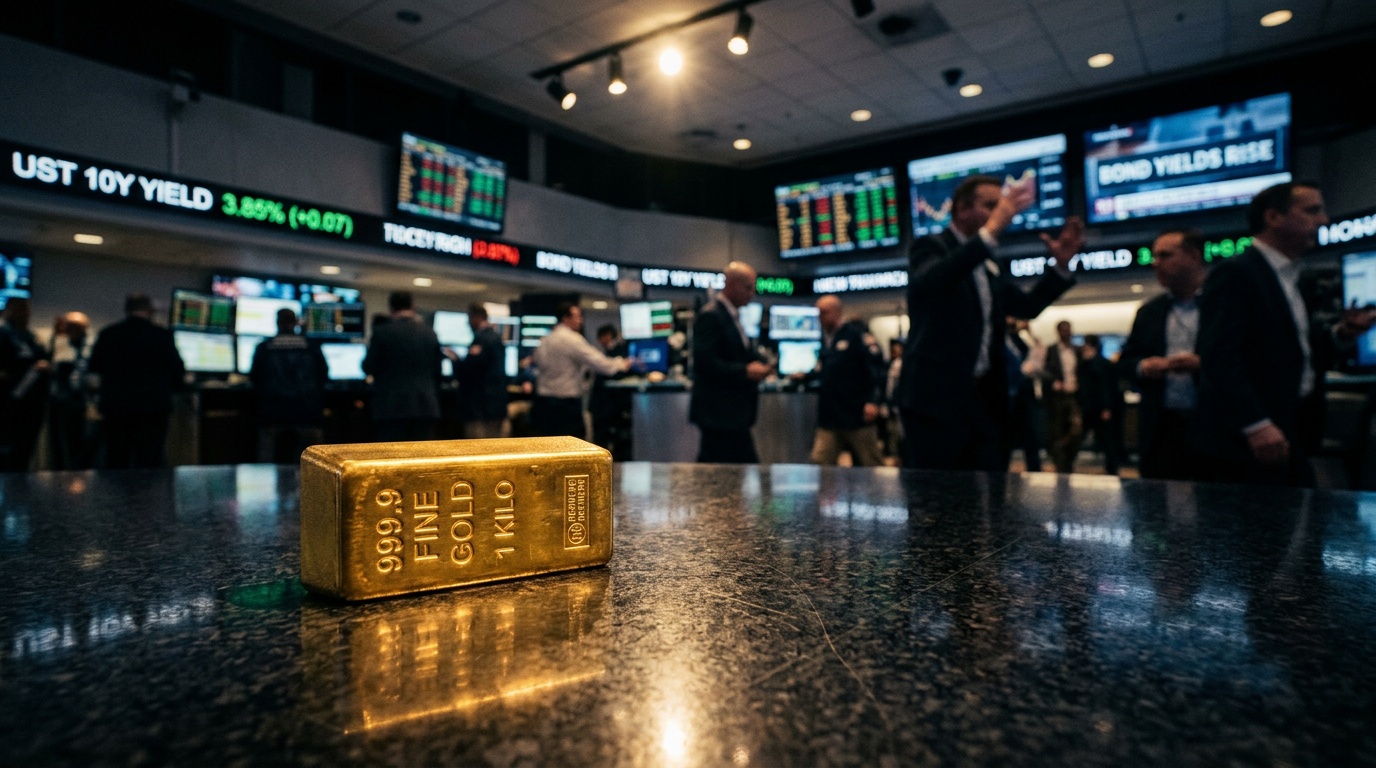
Gold, for Rule, is savings rather than a trading instrument — an anchor against what he sees as the dollar's long-term loss of purchasing power. Silver is tactical. After buying physical metal when it was below $20 and unloved, he shifted capital into silver miners. His rationale was pure arithmetic. Equities were "priced discounting $35 silver in a $75 market," offering better downside protection and upside participation than bullion. The Global X Silver Miners ETF (SIL) is down 10.71% year-to-date.
Outside of an economic depression, Rule sees copper as the clearest opportunity. He dismisses fears that an AI-trade correction threatens demand as "misinformed," pointing instead to demographics and electrification. To merely sustain output, he notes, the ten largest producers must invest $250 billion even as inventories deplete. "You cannot make up for 20 or 30 years of systemic underinvestment in five years," he said.
Uranium has moved beyond its hated phase. The easy money is gone, but Rule sees a dependable bull market as utilities shift from spot buying toward term contracts. The Sprott Uranium Miners ETF (URNM) is down 2.91% year-to-date. "There's no rhetoric here, there's no narrative here, there's no emotion here. It's all arithmetic."
Oil, finally, faces a structural crisis. Distinguishing war-induced spikes from a real shortage he expects by 2029–2030, Rule cites an industry underinvesting "a billion US dollars a day" in sustaining capital. He's investing by buying unpopular producers that reinvest heavily rather than those cannibalizing themselves through oversized shareholder distributions.
Image via Shutterstock