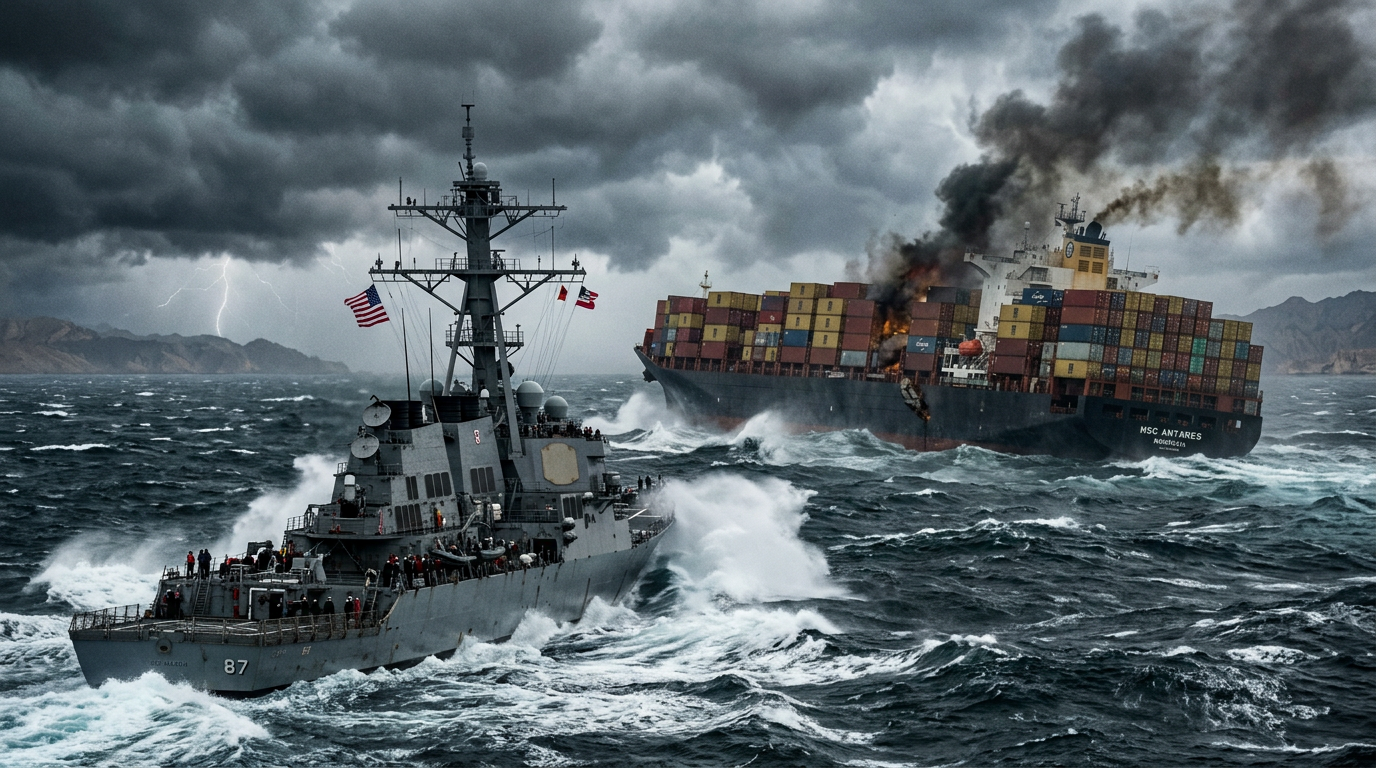
Things in the Persian Gulf just got a whole lot hotter. On Saturday, Iran's Islamic Revolutionary Guard Corps attacked a container ship in the Strait of Hormuz, and the U.S. responded with airstrikes — the third such round this week. The waterway, through which about a fifth of the world's oil passes, is now closed "until further notice."
U.S. Central Command said in a post on X that IRGC forces "blatantly attacked M/V GFS Galaxy, a Cyprus-flagged container ship transiting the Strait of Hormuz." A crew member is missing, and the vessel is disabled by fire and engine-room damage. CENTCOM launched strikes at 7:15 p.m. ET Saturday.
Defense Secretary Pete Hegseth responded to CENTCOM's post with a terse message: "Iran made a poor choice. Now they pay."
Before the U.S. strikes, Iran's IRGC announced it had closed the Strait of Hormuz after a vessel traveled on an unapproved route and was struck. The IRGC warned that any retaliation would be met with a "severe response." It said the vessel had jeopardized maritime security by switching off its systems and was brought to a halt. Several ships attempted to move through the waterway on an "unauthorised route" and disregarded warnings to correct their course, the IRGC added.
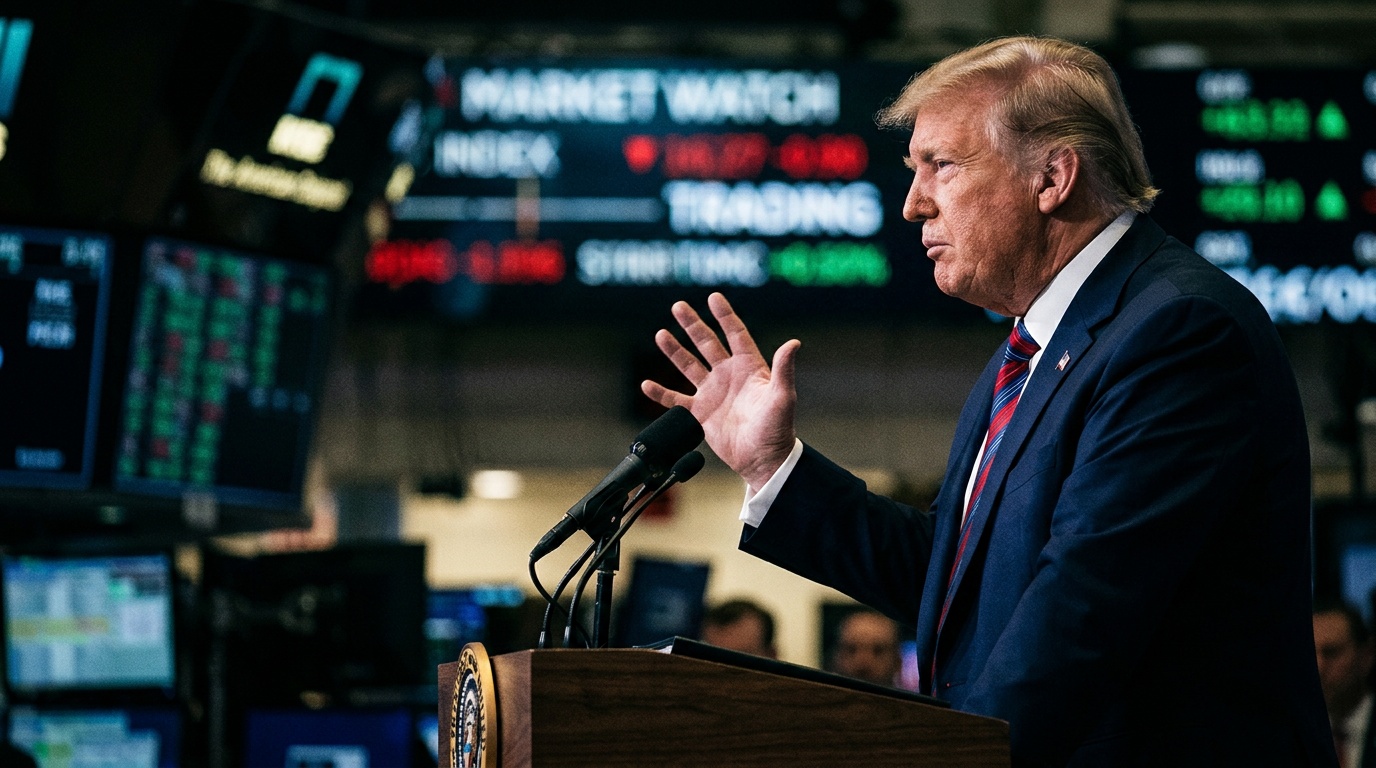
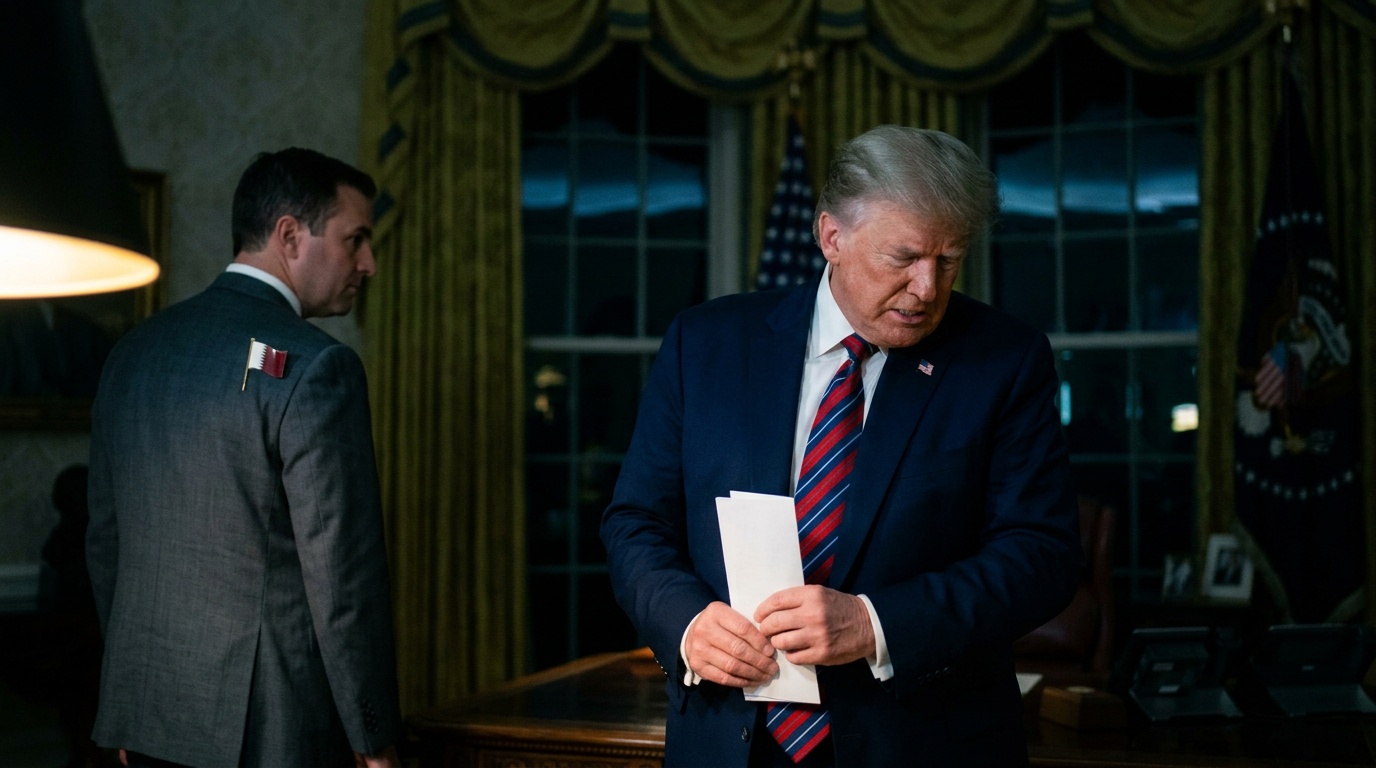
Iran's Supreme Leader Ayatollah Mojtaba Khamenei separately said that avenging his slain father and predecessor was "the demand of the nation." That prompted President Donald Trump to warn on Truth Social that "1,000 missiles are Locked and Loaded" if Iran acts on threats against him.
The U.S. Treasury on Friday imposed fresh sanctions on an Iranian financial facilitator and exchange houses tied to sanctioned banks. Iranian Foreign Minister Abbas Araghchi accused Washington of violating the memorandum, and Iran has since rejected restarting talks unless the U.S. "first retreats from its current positions."
On Saturday, Iran International reported that Tasnim News Agency, affiliated with the IRGC, cited an unnamed political source disputing an Axios report on Qatar's role in talks over the strait's future. The source said only Iran and Oman would decide the matter, citing Article 5 of the Islamabad memorandum.
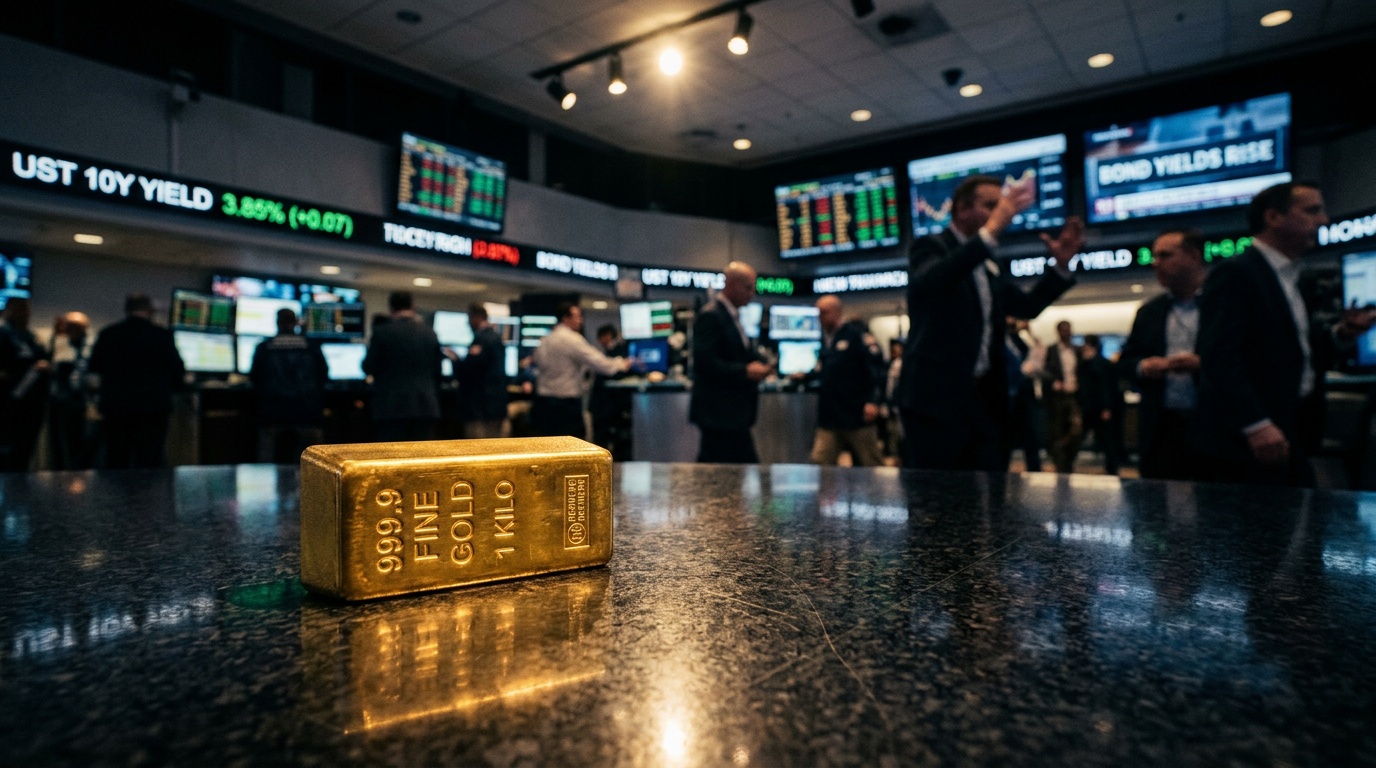
The situation remains fluid, with oil markets likely to react sharply when trading opens. The Strait of Hormuz is a critical chokepoint, and any prolonged closure could send energy prices soaring.