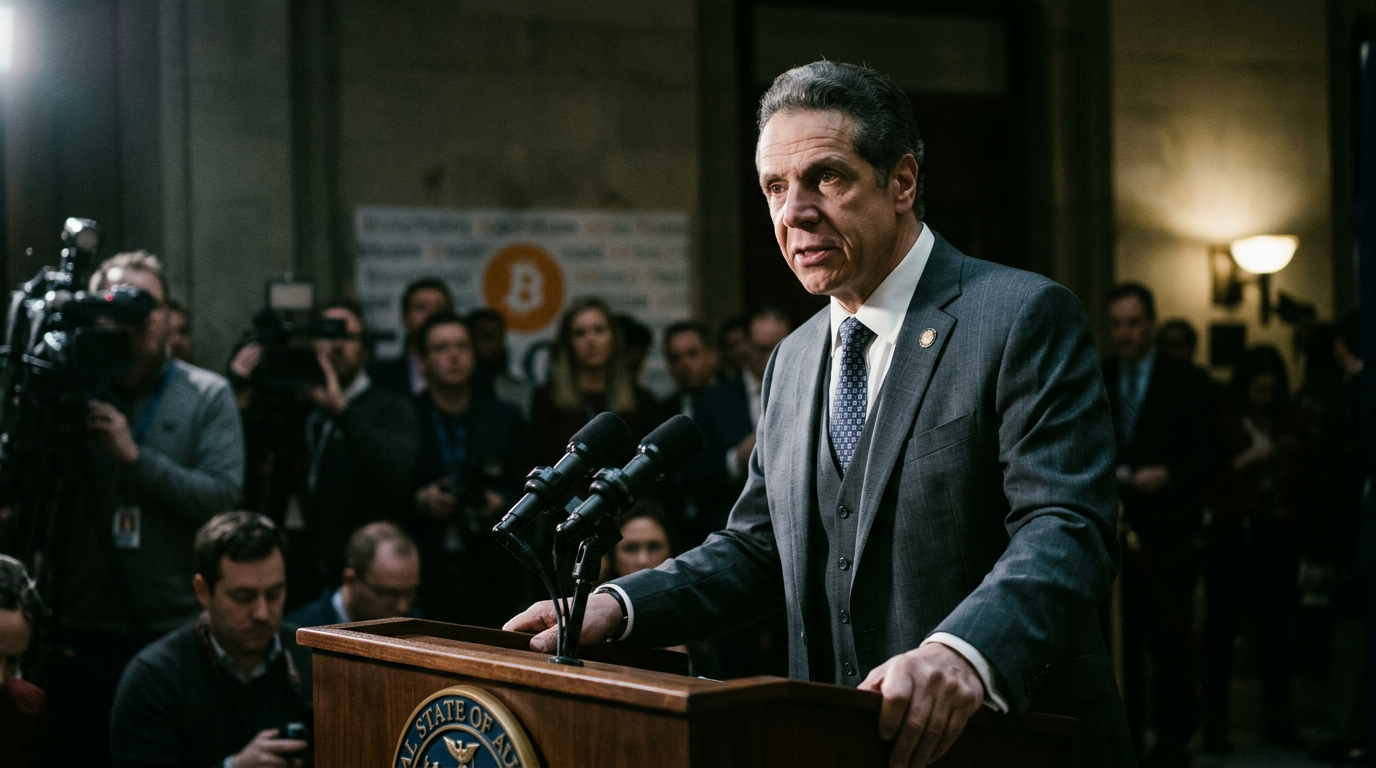
Former New York Governor Andrew Cuomo weighed in on Tuesday on the growing controversy over President Donald Trump's cryptocurrency earnings, urging lawmakers to build strong ethics guardrails into any crypto legislation.
In an interview with Bloomberg TV, Cuomo was asked about Trump's disclosure that he earned over $1 billion from cryptocurrency ventures in his first year as president. Cuomo didn't mince words about the public mood.
"Public cynicism is very high," Cuomo said, especially at the federal level. "I would hope they build in full disclosure and clear ethics guidelines so the public knows they're not benefiting themselves by their actions."
Cuomo's comments come as the Clarity Act—a bill aimed at regulating cryptocurrencies—faces intense debate over ethics provisions. The former governor argued that the issue goes beyond crypto. He pointed to sitting legislators who trade stocks while making laws that could affect those investments.
"They're making the laws. They know what law they're going to pass or may pass. They can foresee the consequences of that law," Cuomo said. "Should they then be allowed to trade on those rules?"
Cuomo said legislation should clearly define the "allowable participation" of all officials in the crypto industry, at both the federal and state levels. He framed the question as "much bigger" than just crypto.
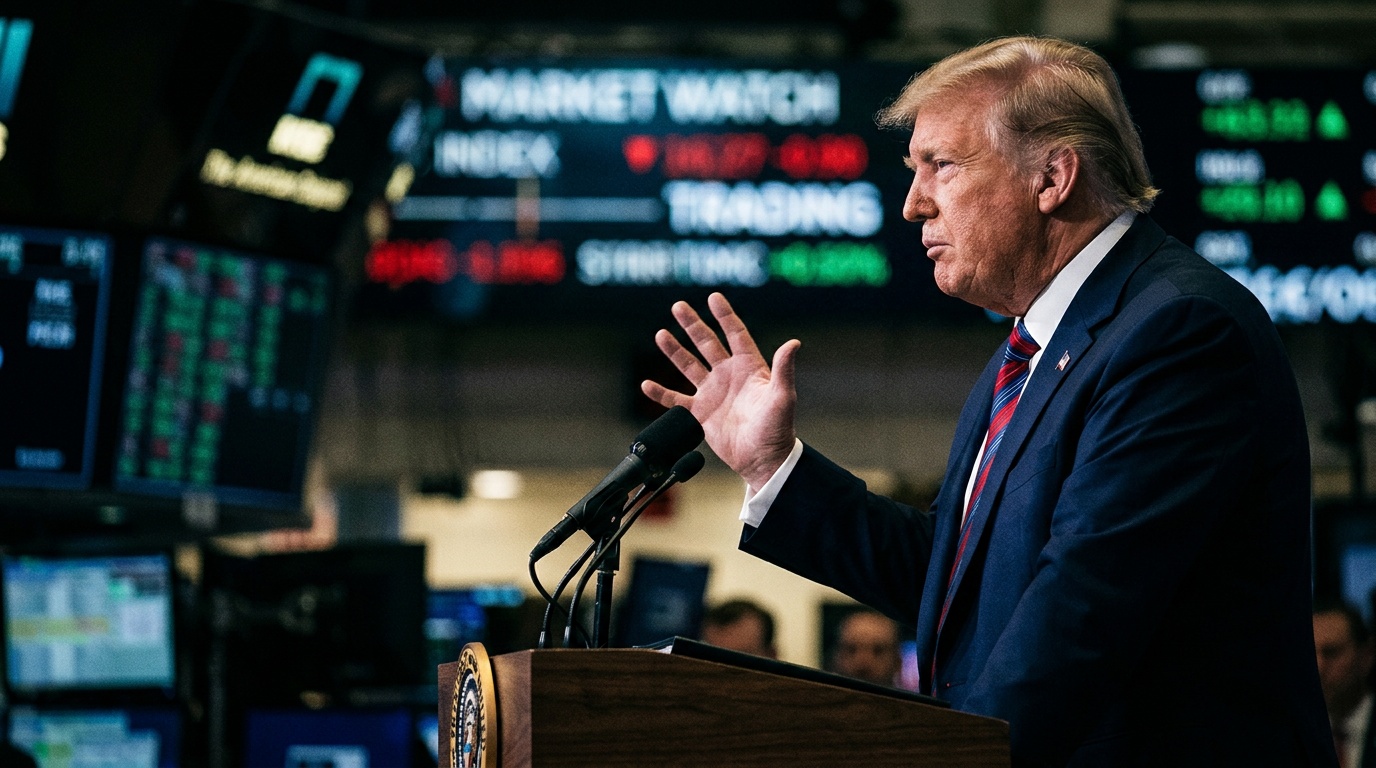
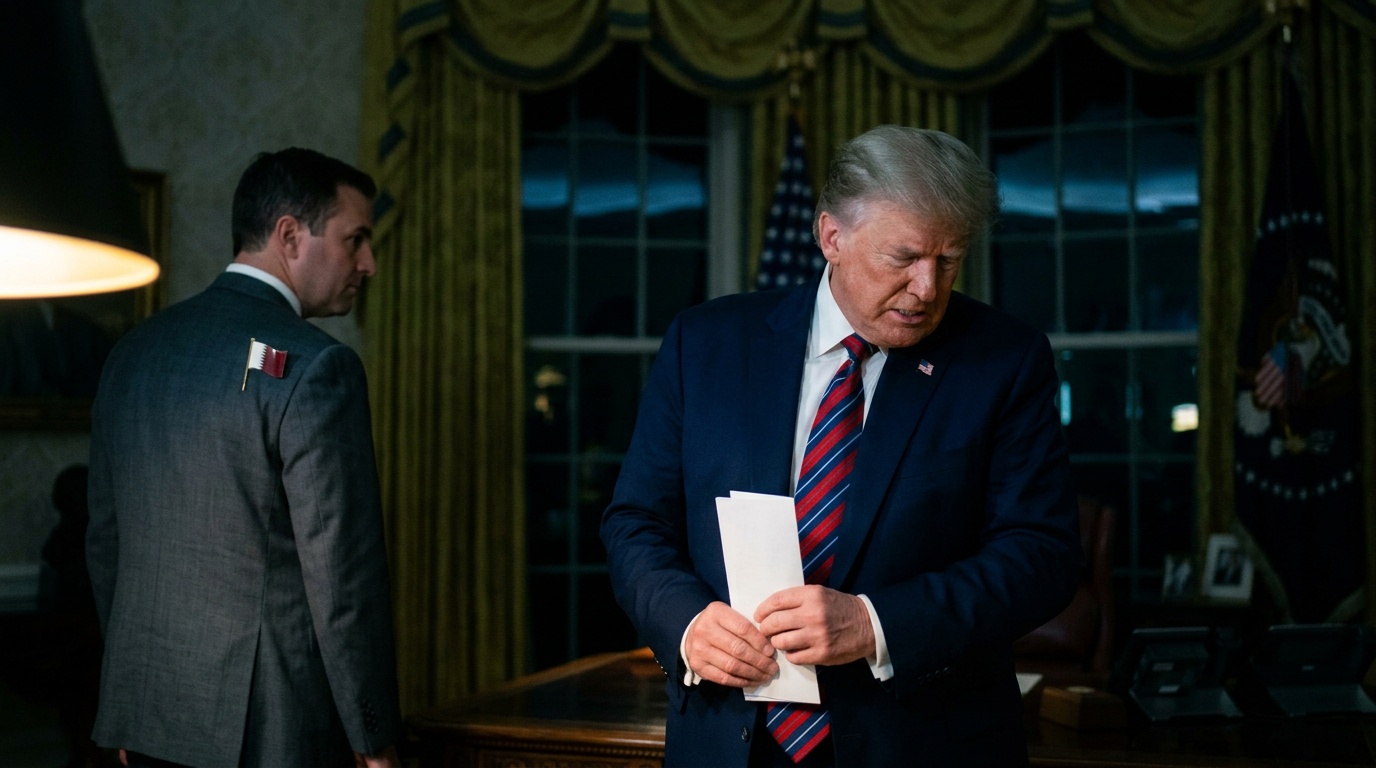
Trump's billion-dollar crypto fortune has drawn massive scrutiny. According to disclosures, he earned more than $635 million in royalties from the Official Trump memecoin (CRYPTO: TRUMP). The windfall has raised serious questions about potential conflicts of interest, especially as the administration pushes for crypto-friendly policies.
Senator Elizabeth Warren (D-Mass.) has been one of the fiercest critics. She opposes the Clarity Act because it fails to tackle conflicts of interest arising from Trump and his family's involvement in cryptocurrency ventures. The ethics provisions—designed to prevent elected officials and senior government leaders from profiting from crypto businesses—remain a key sticking point.
David Nage, portfolio manager at Arca, said last month that Senate Democrats are unlikely to provide the votes necessary to clear the chamber's 60-vote threshold without stronger ethics safeguards.
The White House has signaled it might accept ethics provisions as long as they apply broadly to all officials and don't specifically target the president and vice president. That compromise could be the key to moving the bill forward, but it's unclear whether it will satisfy critics like Warren.
Cuomo's intervention adds a prominent voice to the debate, highlighting the tension between innovation in crypto and the need for ethical boundaries. As he put it, the public is watching—and they're skeptical.