Iran's top parliamentarian is not mincing words. On Tuesday, Speaker of the Parliament Mohammad Bagher Ghalibaf took to social media platform X to accuse the United States of repeatedly violating the terms of the Memorandum of Understanding (MoU) signed between Washington and Tehran after earlier missile strikes.
Ghalibaf listed what he called major violations: the U.S. is "violating Iranian adjustments in the Strait [of Hormuz]," maintaining a "persistent threat" of further strikes, reinstating "oil sanctions," carrying out "attacks on southern Iran," and allowing "continued Zionist aggression" in Lebanon. "The era of bullying and extortion is over. It leads nowhere. We don't fold," he said.
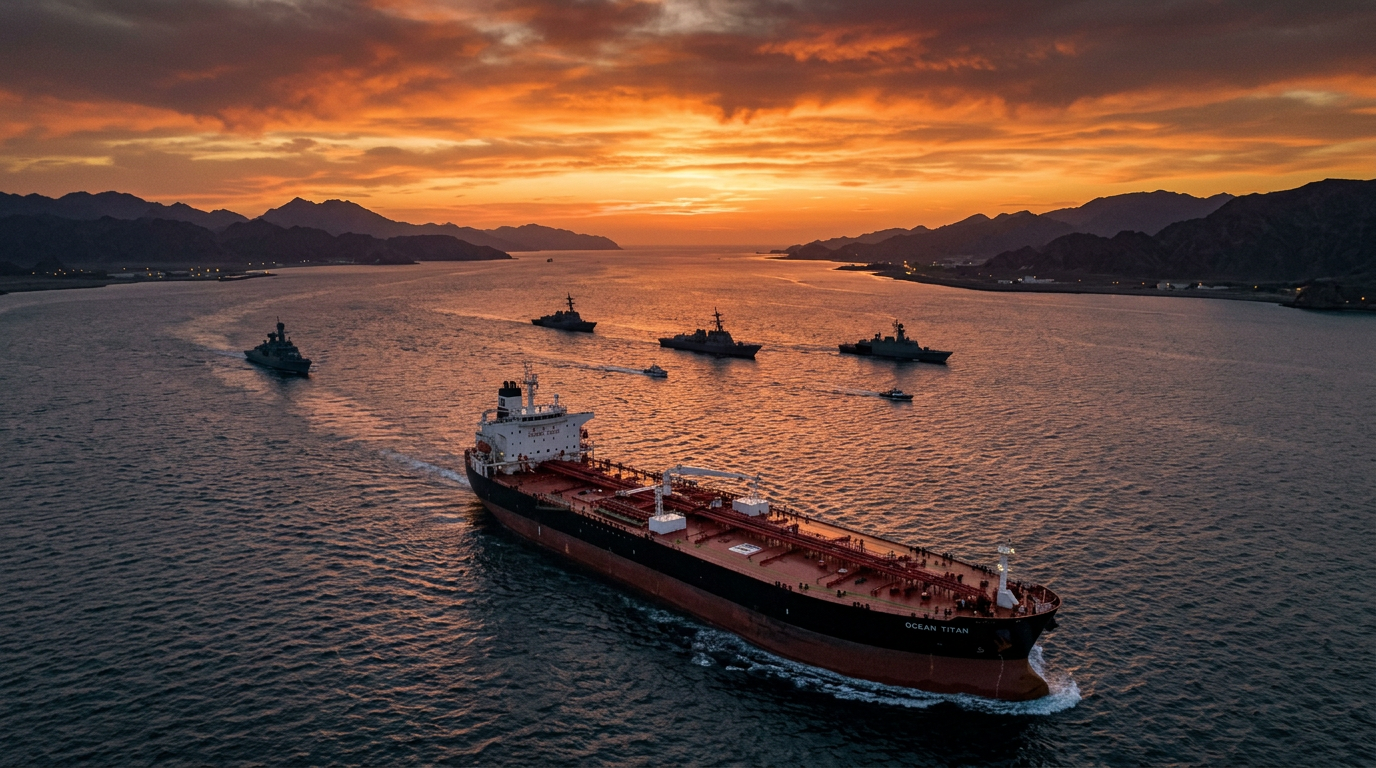
The accusations come as the U.S. military continues to flex its muscle in the region. The U.S. Central Command (CENTCOM) announced it had hit over 80 targets in precision missile strikes, including Iranian air defense systems, radar, and more than 60 small boats belonging to the Islamic Revolutionary Guard Corps (IRGC). CENTCOM said the strikes were retaliation for Iran hitting multiple vessels in the Strait of Hormuz. Iran had previously warned ships that they must follow designated paths or risk being struck.
The maritime tension is palpable. On Tuesday, the United Kingdom Maritime Trade Operations Center (UKMTO) reported that a vessel was struck by an "Uncrewed Aerial Vehicle (UAV)" while transiting the Strait of Hormuz. Fortunately, no casualties or environmental damage were reported, and the ship sustained only minor damage, continuing to its port of call.
All this turmoil is hitting the oil market hard. At the time of writing, a barrel of West Texas Intermediate (WTI) crude had jumped 2.63% to $72.29, while Brent crude rose 2.62% to $76.10. With the Strait of Hormuz—a chokepoint for about a fifth of global oil supply—in the crosshairs, traders are pricing in a hefty risk premium.