Gold has spent the last few years doing what gold does: rallying on geopolitical uncertainty, central bank buying, and fears about government debt. But heading into the second half of 2026, the narrative is shifting. The shiny metal's biggest driver right now isn't a war or a debt ceiling fight—it's interest rates.
According to Daniel Kostecki, market analyst at CMC Markets, rising real yields have become the dominant force moving gold prices, overshadowing the traditional geopolitical catalysts that usually get the credit.
For investors in gold ETFs like SPDR Gold Shares (GLD) and iShares Gold Trust (IAU), or miners like Newmont Corp. (NEM) and Barrick Mining Corp. (B), that means the Federal Reserve might be a bigger catalyst than any headline out of a conflict zone.
Gold's Biggest Headwind Is Rising Real Yields
Gold's long-term investment case is still solid. Central banks keep buying, and geopolitical tensions plus fiscal worries have supported prices. But Kostecki argues that markets have shifted their focus to real interest rates.
“As inflation expectations have eased and U.S. Treasury inflation-protected securities (TIPS) yields have moved higher, the opportunity cost of holding a non-yielding asset has increased,” he wrote. “That has taken some of the momentum out of gold's rally.”
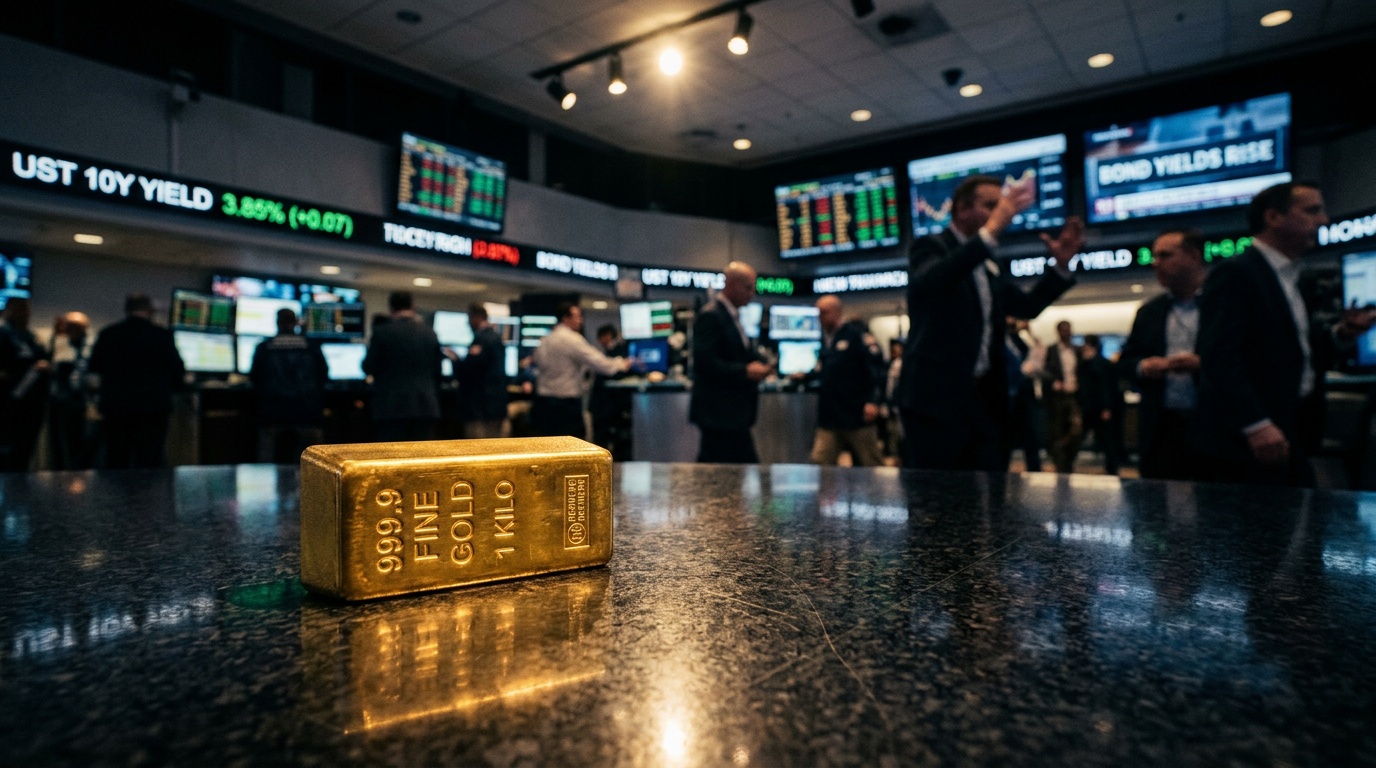
It's simple math: gold doesn't pay interest. When inflation-adjusted Treasury yields rise, bonds start looking a lot more attractive. Why hold gold when you can earn a real return from a government bond?
The Fed May Matter More Than Geopolitics
The recent pullback in gold doesn't mean investors have lost faith. ETF flows have moderated, not reversed, and central bank demand is still supportive. But after a big buying spree earlier this year, investors are getting picky.
That's why Kostecki thinks the Fed's next moves will be more influential than any geopolitical event. “For H2, the outlook for gold will depend heavily on the path of interest rates,” he wrote. “A decline in real yields could provide the catalyst for another move higher, while a stronger dollar and persistently elevated rates may continue to limit upside.”
His bottom line: “Gold retains its role as a defensive asset, but for now the price of money matters more than geopolitics.”
What It Means For Gold Investors
The takeaway is that gold investors need to watch inflation data, Treasury yields, and Fed policy more closely than they have in years. If real yields fall alongside Fed rate cuts, gold could regain its mojo as the opportunity cost of holding it drops. If rates stay higher for longer, gold might still find a floor from central bank buying, but the explosive rallies investors love may be harder to come by.
For now, the long-term bull case for gold is intact. The next big catalyst just might come from Washington, not from a geopolitical hotspot.