If you've been watching gas prices drop but wondering why they're not falling faster, you're not alone. President Trump is asking the same question — and he's turning up the heat on Big Oil.
Chevron Corp.'s (Chevron (CVX)) CFO Eimear Bonner addressed the issue on CNBC Thursday, saying that energy companies are doing everything they can to bring prices down, but it's going to take time.
"It's going to take time, though. There is a lag between…oil prices and reductions in oil prices and when that shows up at the pump, but we expect that prices will come down as things continue to normalize," Bonner said.
The CFO was asked whether large energy companies could do more to lower gas prices in the short term. "…majors are doing everything that we can. I'll talk for Chevron, and we're growing this year. We're going to grow production at 7% to 10%," Bonner responded.
Bonner emphasized that Chevron continues to optimize its operations despite the conflict, maintaining reliable energy supplies.
Experts Explain Gas Price Lag
Bonner's comments come after Trump directed the Department of Justice to investigate oil companies for failing to reduce gasoline prices in line with declining crude oil costs. Trump accused oil companies of overcharging customers by not adjusting pump prices despite paying significantly less for oil.
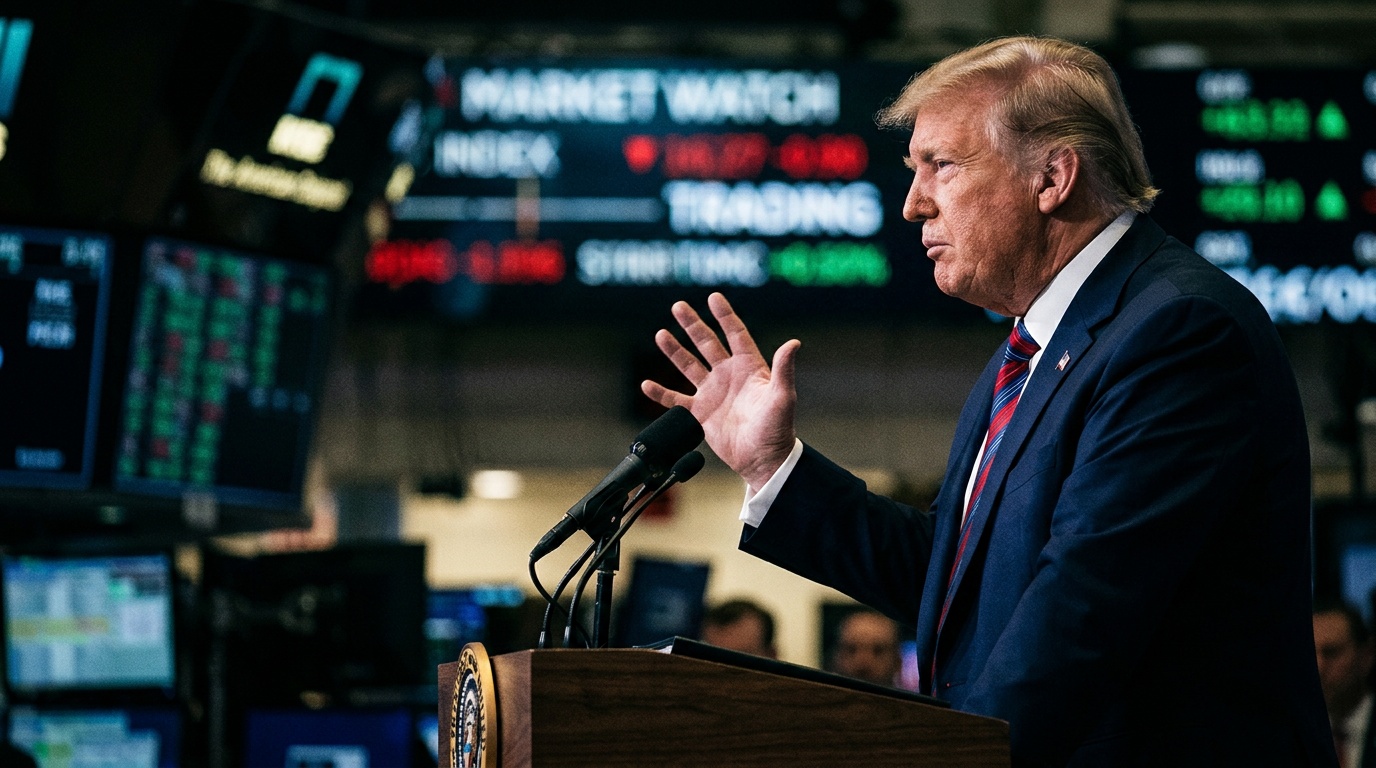
Speaking at the White House on Wednesday, Trump said major oil companies like Chevron, Exxon Mobil Corp. (Exxon Mobil (XOM)), Shell Plc (Shell (SHEL)), and BP Plc (BP (BP)) should do more to lower fuel costs, arguing that gasoline prices should be around $2.25 per gallon and are currently too high.
The national average for regular gasoline currently stands at $3.918 per gallon, down from $4.515 a month ago, but still significantly above last year's $3.224 average, according to AAA data.
At the time of writing, Brent crude oil was trading 0.78% lower at $72.50 per barrel, while WTI crude futures were 1.02% lower at $69.62 per barrel.
Nobel laureate Paul Krugman outlined a "well-documented pattern" in how fuel markets respond to international shocks, explaining the lag in the decrease of pump prices. He argued that gasoline prices typically rise rapidly when crude oil prices spike during a crisis but fall much more slowly after crude prices decline.
At the same time, Karen Young of Columbia University told CNBC that lower crude oil prices do not immediately translate into cheaper gasoline, as pump prices are also influenced by taxes, refining and distribution costs, and typically take weeks to adjust.